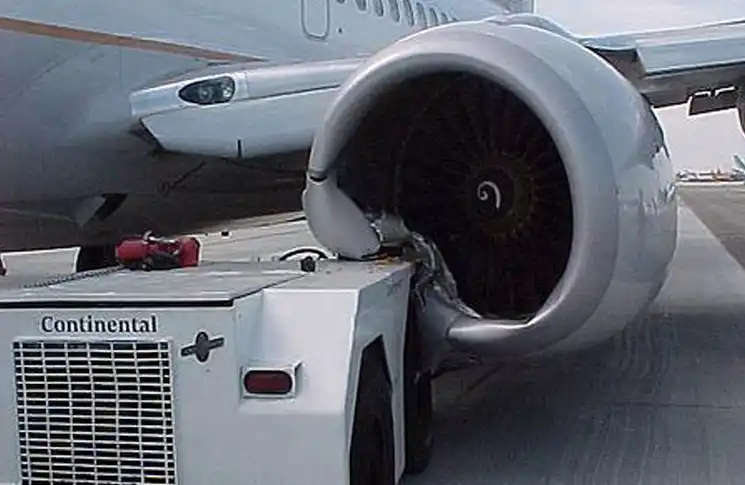
Ground operations are the heartbeat of airline efficiency, yet they represent one of the greatest threats to profitability and safety. Among the multitude of hazards present on the tarmac, few are as persistently problematic and financially damaging as ground damage incidents. Despite being largely preventable, these incidents account for billions in annual losses. For airlines, it’s not just about the money—it’s about operational continuity, brand integrity, and safety compliance.
The Anatomy of Ground Damage Incidents
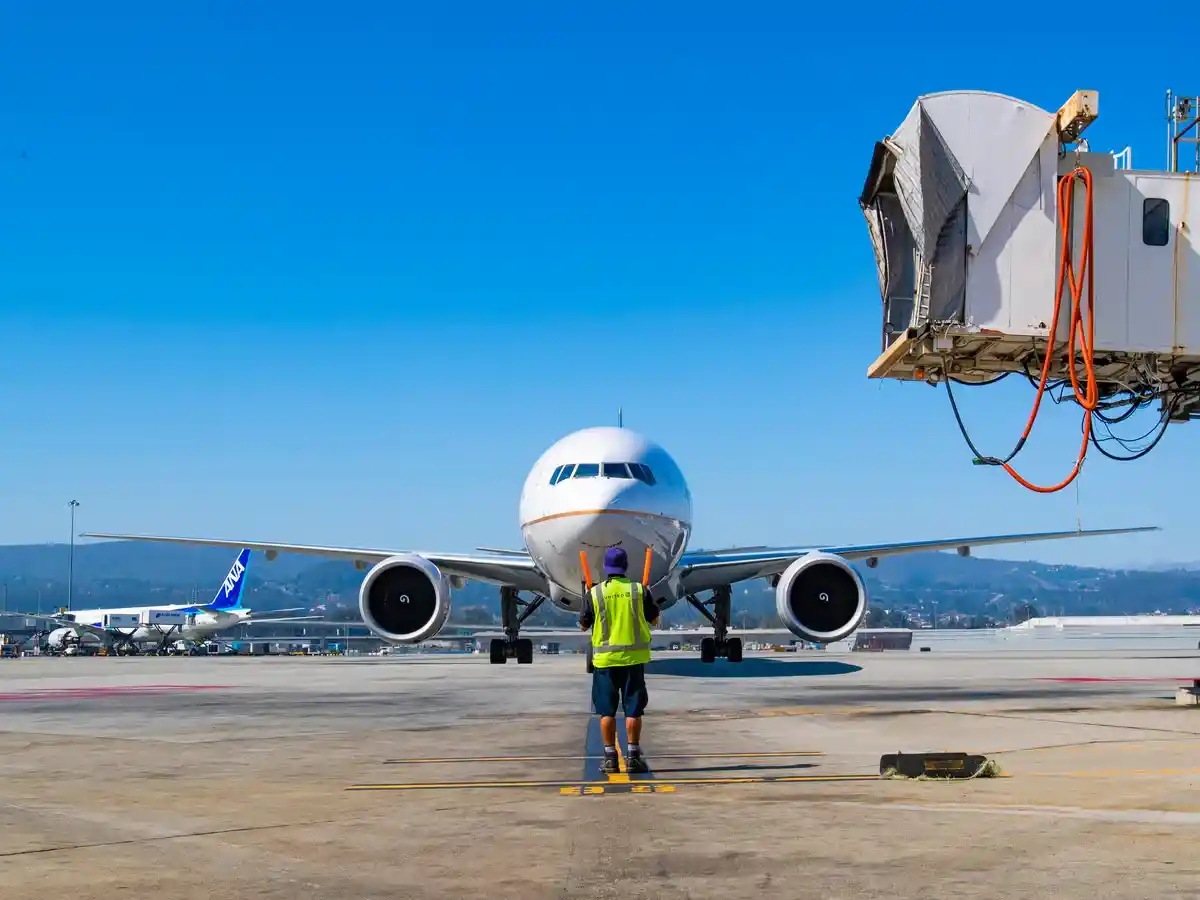
Ground damage incidents occur when an aircraft is harmed during ground operations, such as towing, servicing, or parking. These are moments when the aircraft is most vulnerable. Ramps and aprons are chaotic arenas—a complex ballet of aircraft, vehicles, and personnel navigating tight, high-pressure environments. With airlines pushing to maximize aircraft utilization and minimize turnaround time, precision often takes a backseat to speed.
Human error plays a dominant role. Fatigue, distraction, rushing, or procedural shortcuts frequently contribute to costly collisions—whether with ground support equipment, other aircraft, jet bridges, or tow vehicles. Especially during peak operations, the margin for error narrows dangerously.
Why the Tarmac Is a Minefield
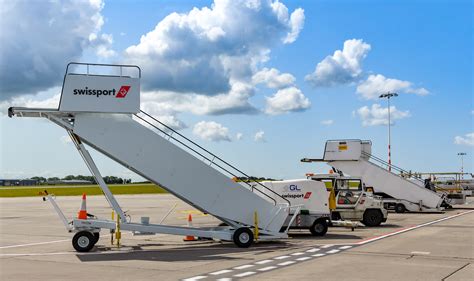
The ground environment around an aircraft is an inherently high-risk zone. Each movement, from baggage loading to pushback, demands coordination, timing, and communication. Several factors amplify the risk:
- High pressure and tight schedules: Crews are expected to meet ambitious turnaround targets. Mistakes are more likely under duress.
- Complex choreography: Multiple ground vehicles—fuel trucks, catering vans, belt loaders, and tugs—operate simultaneously.
- Skill gaps: High staff turnover in ground handling leads to inconsistent training and experience levels.
- Contracted operations: The use of third-party handlers introduces disparities in safety culture and procedures across airports.
Even a minor misjudgment near a wingtip or engine nacelle can result in significant, costly damage. Newer aircraft made from composite materials like those in the Airbus A350 or Boeing 787 exacerbate the risk. Unlike traditional metals, these materials often hide internal damage, making issues harder to detect and repair.
When Composites Conceal Catastrophe
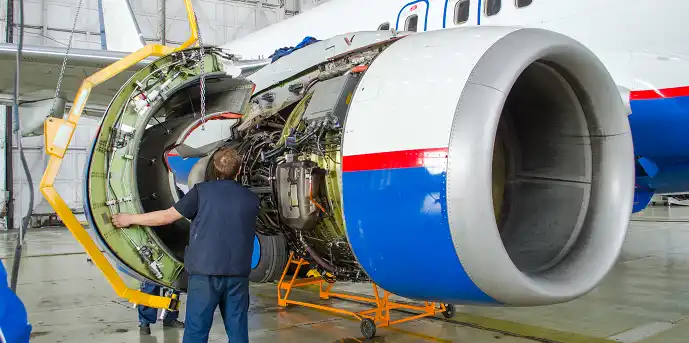
Modern aircraft designs favor lightweight, fuel-efficient composite materials, but these come with a downside. They’re less forgiving of even minor contact. Damage can go unnoticed beneath the surface, only to be discovered later during maintenance or inspections—after multiple flights.
Repairs to composite components are complex, expensive, and time-consuming. They often require specialized facilities and tools, creating logistical bottlenecks. What might seem like a superficial scratch can necessitate full-blown diagnostics and structural testing.
The Financial Domino Effect of Ground Damage
At face value, the costs of repairing ground damage might range from $50,000 to over $1 million, depending on the severity and part affected. But the true cost runs much deeper.
When an aircraft is grounded—classified as Aircraft On Ground (AOG)—airlines face a chain reaction of expenses:
- Cancelled or delayed flights, which can ripple across a network.
- Passenger compensation, rebooking, and accommodations.
- Lost revenue from grounded capacity.
- Crew displacement costs and labor realignments.
- Short-notice aircraft leasing or substitutions.
These indirect costs frequently dwarf the repair bill, making every ramp incident a potential financial disaster. During peak travel seasons, with limited spare capacity, these disruptions are even more pronounced and damaging.
Reputational Damage and Brand Risk
Beyond the balance sheet, ground incidents strike at the heart of airline brand trust. Customers—especially in premium cabins or business aviation—expect reliability and safety. A highly visible ground incident or service disruption can erode confidence, trigger media scrutiny, and damage loyalty.
Airlines increasingly see ground safety not just as a maintenance issue, but as a network resilience and brand protection imperative. It’s no longer a backstage concern—it’s front and center in operational risk management.
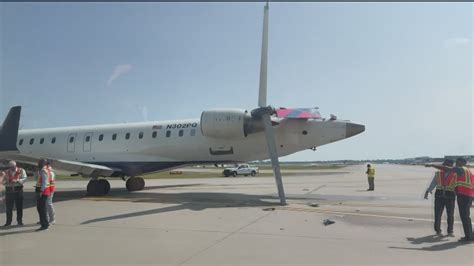
Ground Damage in Real Life: Costly Examples
Dublin, 2017
An Airbus A320 being towed from the gate experienced a tow-bar failure. The tug lost control and struck the aircraft’s right engine. Contributing factors included a wet ramp, sloped surface, and active engine start. The pin failure alone was undetectable—but the cascading conditions transformed it into a major event.
Singapore, 2015
A Boeing 787 collided with an Airbus A380 during taxi. Investigations revealed inadequate supervision and pilot inattention. In just seconds, millions were lost due to a lack of coordination.
Barcelona, 2015
As a Boeing 737 disembarked passengers, a jet bridge malfunctioned and lifted the nose gear by two meters, leading to abrupt door failure. A lack of foresight regarding renovation-related risk exposure was blamed.
Lisbon, 2025
An Airbus A319 overran its marked stop point and hit the jet bridge. The automated guidance system failed to detect the aircraft’s dark livery, and the marshal failed to intervene. Technology failed, and human oversight did not compensate.
The Cultural Root of the Problem
Incidents like these aren’t just mechanical or procedural failures—they’re cultural failures. Many ground incidents occur not because people don’t know what to do, but because they deliberately deviate from protocol in the name of speed.
Repetitive tasks encourage complacency. Turnaround KPIs are monitored obsessively, while safe performance is rarely rewarded unless something goes wrong. Shortcut culture becomes normalized. Ground personnel may avoid reporting incidents for fear of punishment, allowing risks to go unaddressed.
Even when Standard Operating Procedures (SOPs) exist, they are not always enforced or understood. Time pressure and underreporting create blind spots that erode organizational safety resilience.
Building a Culture of Prevention and Resilience
To reduce ground damage, airlines must rebuild their ramp safety architecture around four pillars:
- Transparent reporting culture: Encourage disclosure without fear. Use near-misses and minor incidents as teachable moments.
- Robust SOPs and corrective feedback loops: Clarify ambiguous instructions and constantly evolve procedures based on real-world feedback.
- Balance between efficiency and safety: Make it clear that safety is non-negotiable—even when it slows things down.
- Hazard identification focus: Investigations should prioritize understanding why the system allowed the error, rather than assigning blame.
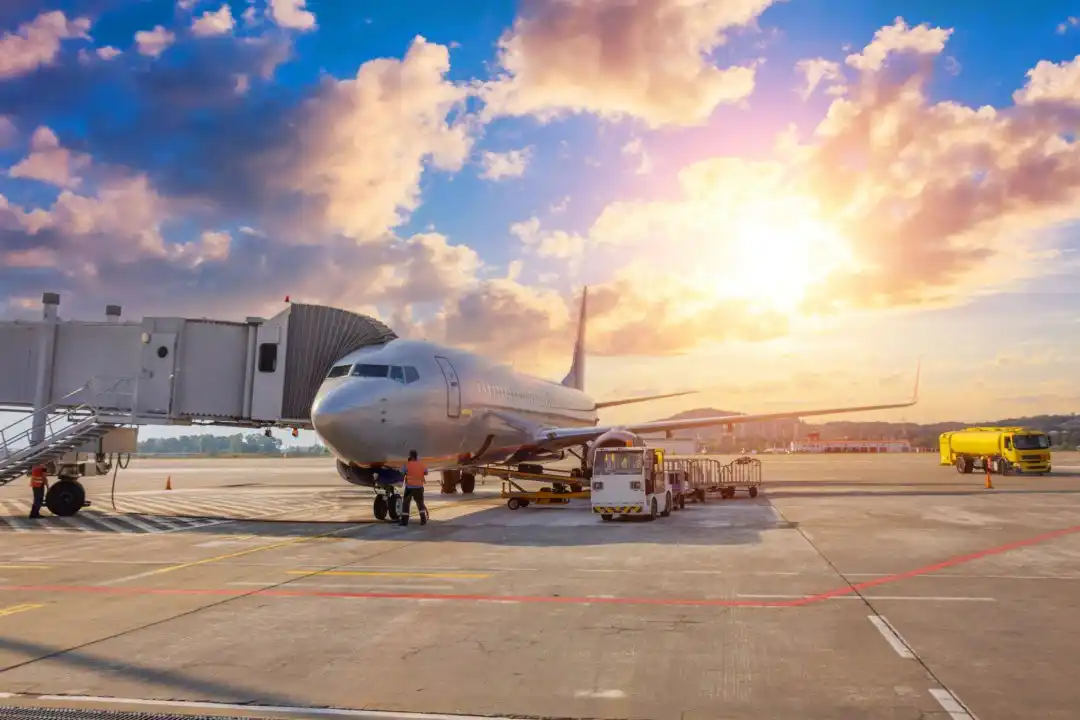
Technology: Enhancing but Not Replacing Human Oversight
Emerging technologies offer promising ways to reduce human error in ground operations. Innovations include:
- Wingtip clearance sensors
- Automated docking systems
- Remote-controlled and autonomous tugs
- Recurrent virtual training modules for ramp agents
For instance, semi-autonomous tugs reduce the likelihood of hangar collisions and towing errors, while improved apron markings and visual cues help guide ground traffic more clearly. Yet, these technologies can only succeed within a culture that values training and vigilance.
The Industry Response: Standardization and Training
Global aviation organizations are stepping in. Bodies such as IATA, NBAA, and IBAC are developing:
- Ramp safety protocols
- Global training standards for handlers
- Incident reporting databases to track systemic risks
Standardized programs aim to close the safety gap across different airports and operators. While such efforts are encouraging, they must be supported at the airline level with budget, leadership commitment, and cultural buy-in.
Final Approach: Prevention as a Strategic Priority
Ground damage is not a maintenance nuisance—it’s a strategic threat. The confluence of operational pressure, human factors, aging infrastructure, and cultural gaps makes the ramp one of aviation’s weakest links.
Airlines must reframe ground safety as central to their business model. Every dollar saved in damage prevention translates into exponentially higher savings in avoided downtime, brand protection, and passenger trust.
Ground damage may be inevitable, but it’s far from unavoidable. With the right mix of training, culture, technology, and accountability, the tide can shift—from costly chaos to controlled precision.