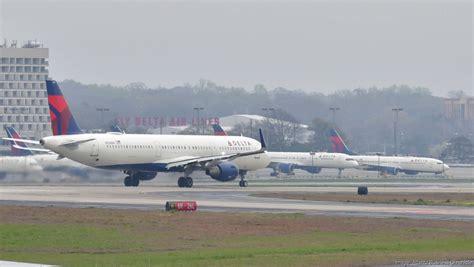
Severe weather turned Hartsfield–Jackson Atlanta International Airport (ATL) into a scene of frustration and exhaustion this weekend as passengers aboard several Delta Air Lines flights found themselves trapped on aircraft for hours—some reportedly as long as 11 hours—without the ability to disembark. The extraordinary disruption followed a sudden storm system that forced air traffic controllers to evacuate the tower and halted airport operations at one of the busiest aviation hubs on the planet.
The incident quickly spiraled into a logistical nightmare. Flights were delayed, gates were unavailable, and aircraft were forced to remain stationary on the tarmac while airline staff struggled to restore operations. As reports spread across social media, travelers described long stretches inside grounded aircraft cabins with limited information about when they would be allowed to leave.
For Delta Air Lines—whose largest hub is Atlanta—the chaos may come with a steep price. Under U.S. Department of Transportation tarmac delay rules, airlines must allow passengers on domestic flights to leave the aircraft after three hours unless safety concerns prevent it. If authorities determine those rules were violated, the carrier could face massive financial penalties reaching millions of dollars.
Severe Storms Force Air Traffic Control Evacuation
The disruption began when a rapidly intensifying storm system swept across the Atlanta area. Forecasts had predicted routine thunderstorms, but conditions escalated dramatically. According to the National Weather Service, the city experienced nickel-sized hail, lightning bursts, heavy rainfall, and powerful gusting winds—a combination severe enough to temporarily shut down critical airport operations.
Safety protocols required the evacuation of the air traffic control tower, effectively freezing departures and arrivals. Without controllers coordinating aircraft movements, planes already taxiing or waiting for gates had little choice but to remain where they were.
The shutdown created an immediate bottleneck across the airport. Aircraft already inbound to Atlanta continued arriving but had nowhere to park, while outbound flights sat immobile on taxiways and runways. Within hours, the disruption rippled across the national aviation network.
Hundreds of Flights Canceled or Delayed
Flight tracking data from FlightAware revealed the scale of the operational meltdown. More than 150 flights were canceled, while over 1,000 departures and arrivals were delayed. The numbers grew throughout the day as Delta attempted to untangle the cascading consequences of the storm.
Passengers reported wildly varying experiences depending on where their aircraft happened to be positioned when the shutdown occurred. Some flights were stuck for three to four hours, while others remained trapped far longer as crews waited for gate availability and operational clearance.
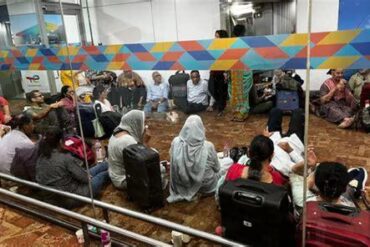
Inside the airport terminals, the situation was hardly better. Travelers who had managed to deplane found themselves facing long lines, limited rebooking options, and packed waiting areas. As the evening progressed, videos surfaced online showing exhausted passengers lying on the floor beside moving walkways or curled up near baggage areas in an attempt to rest.
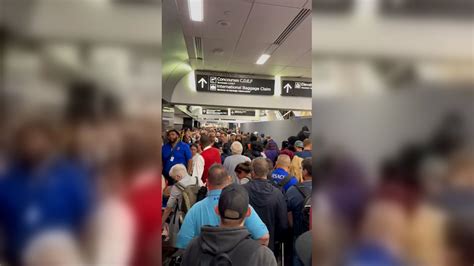
Delta Requests Ground Delay as Operations Collapse
As conditions worsened, Delta Air Lines requested a ground delay program from the Federal Aviation Administration on Friday morning. The measure temporarily slowed departures from Atlanta in an attempt to prevent further congestion.
The delay order meant that flights scheduled to leave ATL faced average delays of around one hour, but the broader operational breakdown pushed actual waiting times far higher. Nearly 200 additional Delta flights were eventually canceled as the airline struggled to reposition aircraft and crews.
Several passenger accounts illustrated the scale of the disruption. One traveler reported that their aircraft arrived at the gate around 11:30 p.m., yet passengers were not allowed to exit the plane until 4:00 a.m. the following morning. Others described being held at gates for hours before their flights were abruptly canceled late at night.
Delta acknowledged the frustration and issued a public apology, stating that unusual weather severity combined with gate shortages had created significant operational constraints.
Aircraft Inspections and Equipment Shortages Slow Recovery
Even after the storm passed, recovery was far from immediate. The hailstorm introduced a new complication: aircraft safety inspections. Hail can damage aircraft surfaces, sensors, and cockpit windows, meaning that every potentially exposed plane required careful checks before it could return to service.
At the same time, the airport faced a shortage of key ground personnel. Reports indicated there were insufficient ramp workers, tug operators, and gate agents available to move aircraft efficiently around the sprawling airfield.
This combination of mechanical checks and manpower limitations meant that planes continued sitting on taxiways long after the skies cleared. For passengers still inside those aircraft, the wait stretched deeper into the night.
U.S. Tarmac Delay Laws Put Airlines Under Pressure
The unfolding crisis placed Delta under scrutiny because of strict federal regulations governing tarmac delays. Introduced after several high-profile passenger confinement incidents in the late 2000s, the rules require airlines to implement contingency plans whenever aircraft remain stuck on the ground.
The law establishes clear limits:
- Domestic flights: passengers must be allowed to deplane after three hours
- International flights: the limit extends to four hours
Exceptions are permitted only if letting passengers off would threaten safety, security, or air traffic operations. Determining whether those exceptions apply will likely be central to any regulatory investigation.
If authorities conclude that passengers were held without justification, the Department of Transportation can impose substantial fines for each affected traveler—which quickly multiplies when hundreds of passengers are involved.
Delta’s Hub Faces Scrutiny After Operational Breakdown
Atlanta is not just another airport for Delta; it is the airline’s primary global hub and one of the most complex airline operations anywhere in the world. The carrier operates roughly 5,400 flights every day, connecting 325 destinations across 52 countries.
Because so many flights pass through Atlanta, disruptions there spread rapidly across the network. A single afternoon of severe weather can trigger missed connections, displaced aircraft, and crew scheduling issues that last for days.
This incident now highlights the delicate balance required to run such a massive operation. Weather is unavoidable, yet how an airline manages the aftermath often determines whether a storm becomes an inconvenience—or a full-blown operational crisis.
As investigators review what happened on the Atlanta tarmac, the event may become another case study in the fragile choreography of modern aviation. When storms collide with tightly packed airline schedules, even the world’s busiest airport can suddenly grind to a halt.