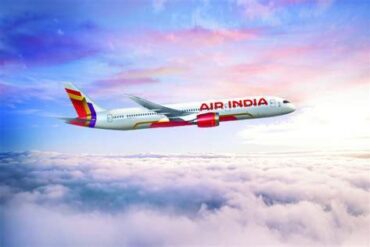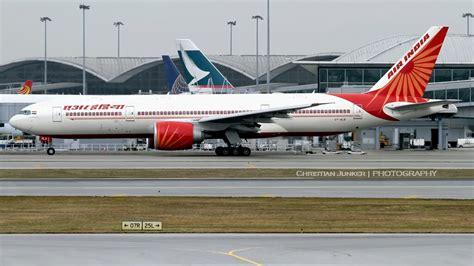
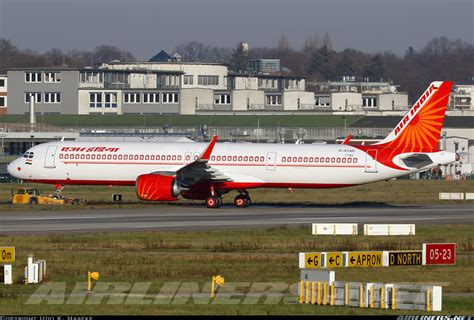
On May 31, 2025, Air India Flight AI 2382, scheduled to fly from Delhi (DEL) to Singapore (SIN), turned into a nightmare journey for passengers, many of whom found themselves stranded, anxious, and exhausted after two aborted takeoff attempts and over eight hours of waiting. The Airbus A321, originally set to depart at 12:55 PM, encountered unresolved technical issues that led to a full-day delay, leaving travelers furious with the handling of the situation.
Anatomy of a Travel Disruption: What Happened on May 31
The aircraft began taxiing at 12:47 PM, slightly ahead of schedule, giving passengers an initial sense of a smooth departure. That optimism quickly unraveled as the first takeoff attempt was aborted. The crew cited technical malfunctions, and the aircraft was halted for checks while passengers remained onboard for over three hours in sweltering conditions.
Eventually, after on-the-spot maintenance, the aircraft was cleared again. Yet when it attempted to move just ten meters from the gate, the same issue reoccurred, leading to a second cancellation. This time, passengers were finally deboarded and transported via shuttle buses back to the terminal.
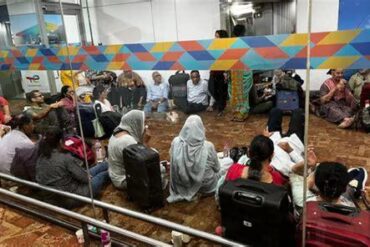
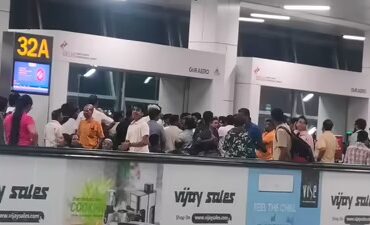
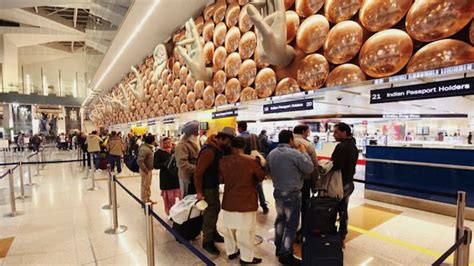
Passengers included elderly individuals, students, and international transients, many of whom had connecting flights and urgent engagements in Singapore. With minimal guidance from airline staff and growing concern over missed connections, the atmosphere at Indira Gandhi International Airport grew increasingly tense.
Delayed Updates and Diminished Comfort: Passenger Experience
What most infuriated passengers was the lack of timely communication. For the first few hours, updates were either vague or nonexistent, with most travelers relying on whispered speculation and fragmented announcements.
To make matters worse, food and water provisions were grossly inadequate. Initial offerings consisted solely of popcorn — a particularly ill-suited choice for those waiting for hours in a sealed cabin. Only by 6:45 PM were proper meals distributed, by which point tempers had flared.
Several passengers reported physical discomfort, with senior citizens complaining of leg cramps and students expressing anxiety over visa implications of missed transit.
Air India’s Official Response and Accountability
Air India acknowledged the incident and attributed the failure to technical malfunctions. The airline offered standard options — full refunds or complimentary rescheduling — but for many, these measures felt insufficient in the face of an eight-and-a-half-hour ordeal.
More than just a fluke, this disruption laid bare deeper cracks within the airline’s operations:
- Maintenance Reliability: The recurrence of the same malfunction after an initial fix raises serious concerns about maintenance procedures and quality control.
- Crisis Management Gaps: The delay in communication and poor passenger care reflected inadequate contingency planning.
- Impact on International Operations: This was not a domestic hop — this was a flight on a critical international route. Many passengers missed connecting flights, which could cascade into thousands of dollars in additional travel costs.
Inside the Aircraft: A Cabin of Confusion
Multiple passengers took to social media and forums, describing the experience as one of “confined uncertainty.” Children were restless, elderly passengers uncomfortable, and flight attendants, while courteous, were evidently unprepared for the prolonged crisis.
Some passengers described being held on the tarmac without air conditioning, while others expressed anger at being given conflicting explanations by crew members and terminal staff. By the time the rescheduled flight finally departed at 9:25 PM, most travelers had spent an entire day in emotional limbo.
What This Means for Air India’s International Image
Incidents like this, particularly on high-profile routes like Delhi–Singapore, reflect poorly on Air India’s ambition to reclaim its legacy as a world-class carrier. The airline, now under the Tata Group’s stewardship, is under scrutiny to modernize operations and restore customer confidence.
This fiasco suggests that legacy issues remain unresolved — especially in maintenance protocols, crew readiness, and customer service training. While safety is paramount, the customer experience during delays is equally critical for retaining brand loyalty.
Wider Aviation Lessons: Safety, Transparency, and Human-Centric Operations
Experts from the aviation industry stress that aborted takeoffs, though alarming, are part of critical safety protocols. When in doubt, aborting is the correct decision. However, the passenger handling during such delays is where many airlines — Air India included — fall short.
From a regulatory standpoint, airlines are bound by passenger rights frameworks that require adequate care, especially during extended delays. That includes:
- Timely updates in multiple languages
- Sufficient food and water
- Rest areas and accommodations if delays stretch overnight
Air India’s adherence to these obligations, while technically fulfilled through eventual meal service and refund options, still left many feeling neglected and misinformed.
Tips for Travelers: How to Prepare for the Unexpected
Seasoned travelers understand that disruptions happen. But there are steps to mitigate inconvenience:
- Download the airline’s app and enable push notifications for real-time updates.
- Carry basic essentials: snacks, medications, power banks, and a refillable water bottle.
- Purchase travel insurance that includes missed connection coverage.
- Have a contingency plan: Know your visa rules, alternative connections, and backup lodging options.
Air India’s Road Ahead: From Incident to Transformation
As Air India works to modernize under new leadership, this incident must serve as a catalyst for change. Not only must technical systems be thoroughly reviewed, but frontline staff training, communications protocols, and emergency response systems must be overhauled.
Travelers today are well-informed and connected. When things go wrong, they broadcast it. For an airline trying to revive its international reputation, every mishap is amplified — and every delay, if mismanaged, becomes a public relations crisis.
Looking ahead, Air India needs to focus on:
- Investing in predictive maintenance technologies
- Hiring specialized crisis communication officers
- Creating dedicated delay response teams at major hubs
Only then can the airline turn such setbacks into proof of resilience rather than failure.
Conclusion: A Wake-Up Call for Airlines and a Lesson for Travelers
The twin cancellations of Flight AI 2382 on May 31, 2025, are more than an operational hiccup. They serve as a wake-up call for airlines globally to improve not only technical reliability but also passenger care infrastructure. For travelers, the experience is a stark reminder to stay proactive, informed, and assertive about their rights.
As Air India evaluates what went wrong, the aviation industry — and the flying public — will be watching closely. Reliability and dignity in air travel are not luxuries. They are baseline expectations.