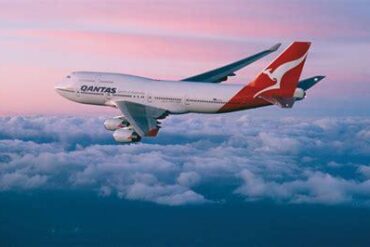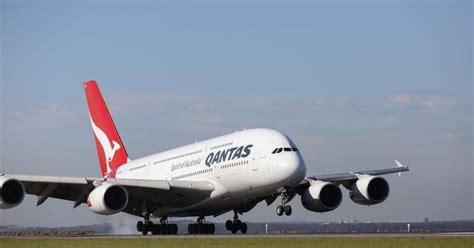
Australia’s national carrier, Qantas, is reaffirming its commitment to ultra-long-haul international travel with a decisive move: the reinstatement and expansion of its Airbus A380 operations on the Sydney–Singapore route. Starting this July, the airline will operate up to two daily A380 services between these two major global hubs, signaling a robust recovery of international demand and a deliberate investment in premium capacity.
Qantas’ strategy reflects a broader rebound in long-haul international travel post-pandemic, where passenger appetite for luxury, space, and convenience is once again rising. By doubling down on the A380—the world’s largest passenger aircraft—Qantas is positioning itself to dominate premium market segments on a route saturated with competition.
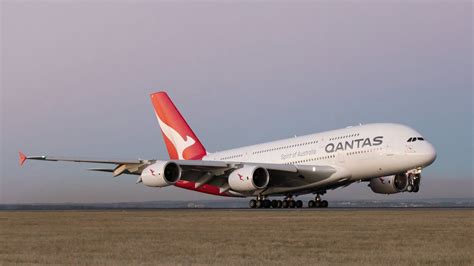
Doubling A380 Frequency: A Strategic Capacity Shift
The new schedule introduces twice-daily A380 flights between Sydney and Singapore, replacing the current configuration which includes a mix of Boeing 787-9 Dreamliner and A330 aircraft. This strategic pivot means Qantas will now deploy its flagship A380 aircraft on two separate daily services—QF1 and QF81—offering enhanced capacity, upgraded cabins, and a superior onboard experience.
This move effectively doubles the seat capacity on the Sydney–Singapore corridor. Each A380 in Qantas’ fleet seats 484 passengers, spread across four cabin classes: First, Business, Premium Economy, and Economy. With two A380s operating daily, Qantas will offer nearly 6,800 seats per week in each direction, a sharp increase from the previous total.
Route Integration with Global Networks
Qantas isn’t merely shifting metal for the sake of capacity. The upgraded A380 schedule ties into two crucial intercontinental services:
- QF1: The iconic Kangaroo Route, which continues onward from Singapore to London Heathrow.
- QF81: A standalone service between Sydney and Singapore, catering to both point-to-point traffic and onward connections through Singapore Changi Airport, one of the world’s top-rated transit hubs.
This change boosts Qantas’ ability to provide premium long-haul connectivity not just to Europe, but also to Southeast Asia, and indirectly supports its partner network with oneworld alliance members like British Airways and Japan Airlines.
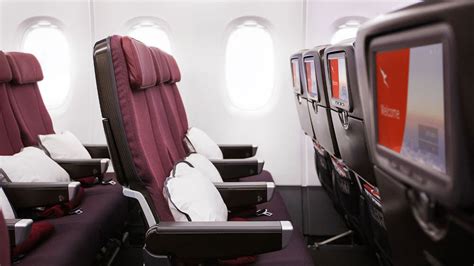
Upgraded Cabin Experience: Premium Product Across All Classes
The A380s flying this route feature Qantas’ latest refurbished interiors, part of the airline’s multi-year cabin modernization program. Business travelers and premium leisure passengers alike will benefit from:
- New Business Class suites in a 1-2-1 layout, offering direct aisle access
- Enhanced Premium Economy seats with more recline and increased width
- Refreshed Economy Class seats with improved cushioning and IFE systems
- A completely revamped First Class cabin with luxurious privacy and service enhancements
The upper deck business lounge—exclusive to A380s—is a distinctive product offering that sets Qantas apart from competitors on this route.
Why Singapore Matters: A High-Stakes Aviation Battleground
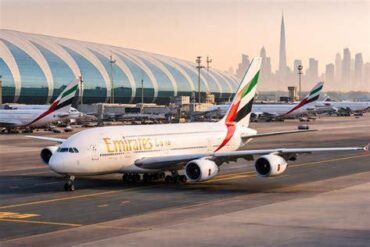
Singapore is not just another stopover—it is a vital strategic hub for airlines operating between Australasia and Europe. With Singapore Airlines, Emirates, and British Airways all competing vigorously in the corridor, Qantas’ decision to deploy its most premium aircraft underlines its intent to retain market share and remain competitive against these world-class carriers.
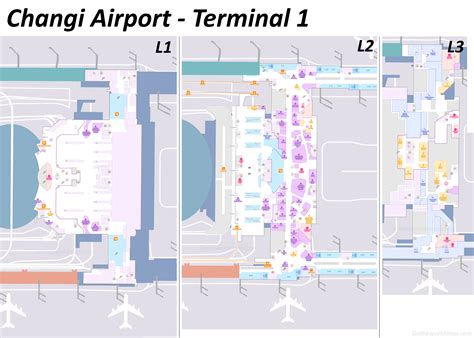
Singapore Changi Airport’s reputation as a seamless transfer hub adds value to Qantas’ offering, especially for high-value international passengers. By restoring the A380 frequency, Qantas is effectively future-proofing its long-haul competitiveness, especially as business and premium leisure travel continue to rebound.
Operational Resilience and Aircraft Availability
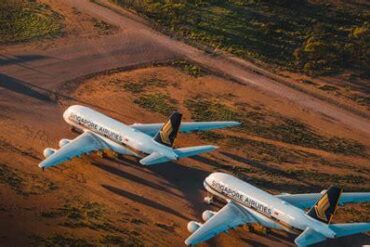
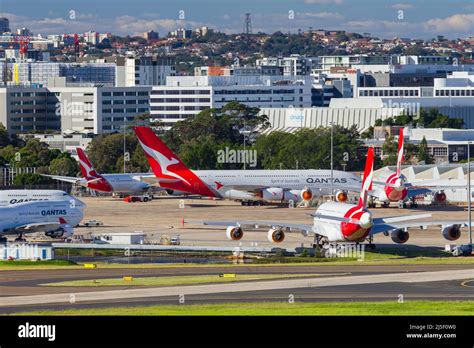
Qantas currently has ten Airbus A380s in its fleet. As of mid-2025, the airline has already returned nine of these aircraft to service, with the tenth expected to rejoin shortly. This rapid recommissioning of the A380 fleet follows substantial upgrades performed during their COVID-19 storage period in California’s Mojave Desert.
The airline’s ability to reintroduce double daily A380 flights suggests a high level of operational readiness and fleet flexibility. Qantas has also restored key maintenance and support capabilities at Los Angeles and Sydney bases, ensuring minimal downtime and high dispatch reliability.
Environmental and Economic Considerations
The A380 has often been criticized for being a fuel-hungry aircraft in a world moving towards greener aviation. However, Qantas defends its use of the A380 by focusing on per-seat efficiency and premium revenue generation.
While not as fuel-efficient as newer twinjets like the Boeing 787 or Airbus A350, the A380’s massive capacity means that, when flown at high load factors, its per-seat emissions are competitive. Moreover, Qantas offsets emissions through its Fly Carbon Neutral program and continues to invest in sustainable aviation fuel (SAF) partnerships.
Competitive Timing and Frequency Advantage
The new schedule not only increases capacity—it optimizes departure and arrival times for both business and leisure travelers:
- QF1 departs Sydney in the afternoon, arriving in Singapore late evening with seamless onward connection to London.
- QF81 departs Sydney earlier in the day, arriving mid-afternoon in Singapore, allowing convenient onward connectivity within Asia.
This frequency and timing advantage give Qantas an edge, especially over competitors offering only once-daily or non-A380 services. More choices mean better fare segmentation and stronger customer loyalty, particularly among Qantas Frequent Flyer members.

A Statement of Confidence in the Premium Travel Market
This aggressive deployment of the A380 is a statement of confidence. Qantas is betting big on the resurgence of premium travel, leveraging a well-established route and a well-loved aircraft. The Australian flag carrier understands the emotional and brand value of the A380, especially among long-haul frequent flyers who appreciate the quiet, spacious, and stable flight experience.
Moreover, Qantas’ competitors are increasingly shifting to smaller widebodies. While that may offer operational flexibility, Qantas believes there is untapped demand for luxury and spaciousness—especially in First and Business Class. With the A380, it can offer both volume and premium appeal.
Implications for Future Network Strategy
The success of the double-daily A380 schedule to Singapore could inform Qantas’ broader international strategy. With the airline also set to launch Project Sunrise in the coming years—non-stop flights from Sydney to London and New York using Airbus A350-1000ULRs—the return of the A380 signals that hub-based connectivity will continue to coexist with ultra-long-haul point-to-point routes.
Qantas is hedging its bets: It knows that some passengers prioritize time savings, while others value service and comfort. The A380 offers a powerful proposition in the latter camp.
Conclusion: Big Metal for Big Ambitions
Qantas’ decision to double its A380 operations to Singapore is more than a capacity boost. It is a strategic recalibration, signaling faith in premium international travel, a vote of confidence in its iconic fleet, and a bold move to reclaim market dominance along one of the most lucrative corridors in global aviation.
As passenger demand continues to normalize and evolve, the return of the double-decker superjumbo on this critical route underscores Qantas’ belief that the future of long-haul travel still has room for grandeur, scale, and unmistakable brand presence.