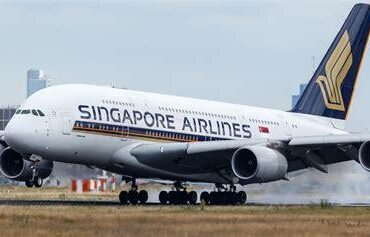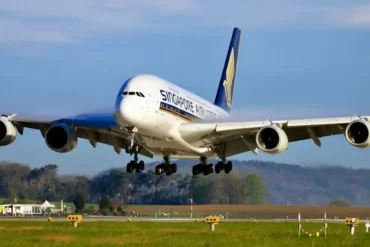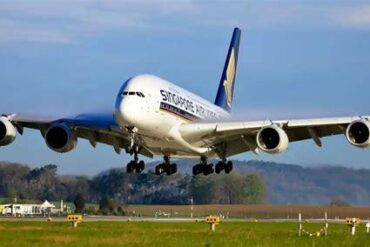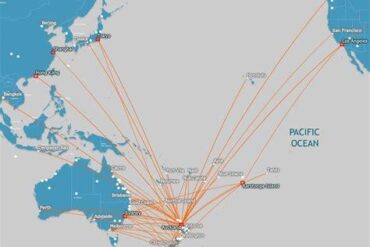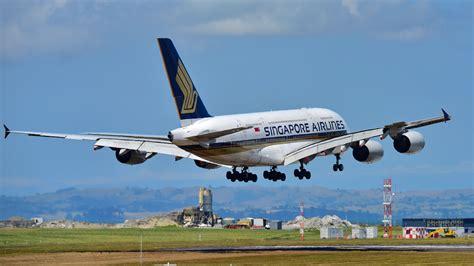
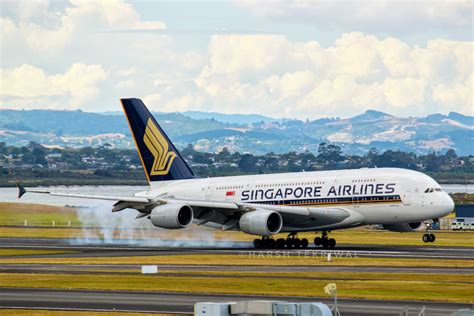
Singapore Airlines is making a bold and strategic pivot in its global network, as it prepares to deploy its flagship Airbus A380 aircraft on daily flights between Singapore and Auckland. This major development, effective from January 18 to March 29, 2026, represents the airline’s calculated shift away from its traditional European stronghold—Frankfurt Airport—towards a high-value leisure market in New Zealand. The move aligns with the Southern Hemisphere’s peak summer season, during which demand for premium leisure travel surges dramatically.
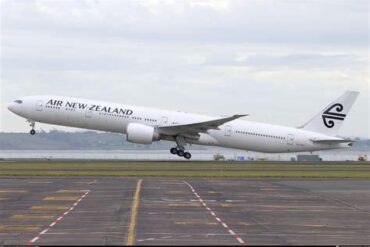
The change marks the first Airbus A380 appearance in New Zealand skies since early 2024 and will replace the Boeing 777-300ER currently serving flights SQ285 and SQ286. More significantly, this reintroduction not only boosts total seat capacity by 6% but also radically enhances the availability of ultra-premium seating options, including the carrier’s renowned Suites and Business Class.
Strategic Realignment: From Europe to the South Pacific
Singapore Airlines’ decision to withdraw its A380 from Frankfurt—Europe’s financial nucleus and one of the airline’s cornerstone business routes—is emblematic of a broader industry shift. Frankfurt, long favored by business travelers due to its corporate density and Star Alliance connectivity, will see its A380 replaced by the Airbus A350, which offers slightly fewer seats but maintains efficient long-haul capability. While business travelers will still be served, the luxury of the A380’s double suites and expansive cabins will no longer be part of the offering.
The logic behind this adjustment lies in the shifting profitability metrics of global air travel. Premium leisure travelers—those willing to spend more for comfort, experience, and exclusivity—have become a vital source of revenue. With corporate travel yet to fully rebound to pre-pandemic levels, particularly in Europe, airlines like Singapore Airlines are rebalancing their fleets to serve where demand is strongest.
A Welcome Return: A380 Luxury to New Zealand
The Singapore–Auckland route will benefit significantly from this aircraft swap. According to Cirium data, the airline will operate seven weekly A380 flights, resulting in a total of 3,297 weekly seats between Singapore and New Zealand. The reintroduction of the superjumbo will elevate passenger experience and significantly increase premium cabin inventory.
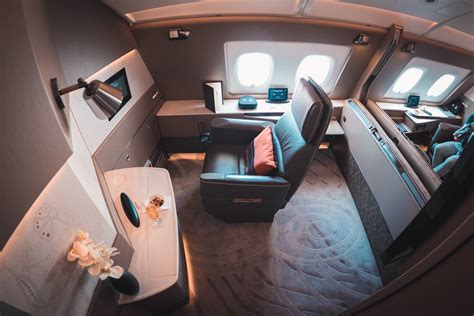
The A380 on this route will feature:
- 6 ultra-luxurious Suites on the upper deck, four of which can be combined into double suites for couples.
- 78 lie-flat Business Class seats arranged in a spacious 1-2-1 configuration.
- Enhanced Economy and Premium Economy seating, offering superior comfort compared to narrow-body or older wide-body alternatives.
This enhancement is timely. New Zealand, known for its breathtaking natural beauty and luxury tourism offerings, sees increased international arrivals during its summer months. Singapore Airlines is seizing this opportunity to cater to affluent vacationers, particularly those traveling from Southeast Asia and Europe via Singapore.
The Economics of Capacity Reallocation
Reassigning an Airbus A380 is no trivial decision. The aircraft’s enormous size and operational cost make it suitable only for routes that can reliably generate both high passenger volumes and premium revenue. In this case, Singapore Airlines’ internal demand forecasting, combined with ongoing post-pandemic consumer behavior analysis, points to a higher yield per seat on the Auckland route during the Austral summer.
Frankfurt’s demotion to A350 service, meanwhile, suggests that while corporate demand remains essential, it may no longer justify the cost per premium square foot the A380 consumes. The A350, being more fuel-efficient and versatile, fits better with the evolving economics of transcontinental routes in Europe.
A Broader Trend: Leisure Destinations Rising in Priority
Singapore Airlines is not alone in this strategy. Across the global aviation industry, long-haul leisure routes are experiencing a renaissance. Airlines are capitalizing on renewed travel appetite among affluent consumers who are eager to spend on meaningful experiences, especially after years of travel restrictions.
This trend is especially pronounced in Oceania and Asia-Pacific markets, where natural beauty, low population density, and luxury eco-tourism intersect. By redirecting A380 capacity to Auckland, Singapore Airlines is signaling its confidence in premium leisure travel, while demonstrating agility in its global network planning.
Operational Logistics and Passenger Impact
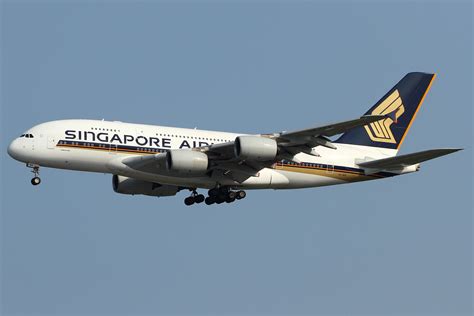
For frequent flyers and aviation enthusiasts alike, this shift is monumental. Passengers booked on SQ285/SQ286 between January and March 2026 will now have access to one of the most spacious and comfortable commercial aircraft in service. The A380’s famed double-deck layout, quiet cabins, and high ceilings offer a noticeably superior experience, especially on a route exceeding 10 hours of flight time.
In practical terms, passengers can expect:
- Greater availability of award seats in First and Business Class via KrisFlyer.
- Access to Singapore Airlines’ flagship onboard offerings, including Book the Cook, The Private Room lounge access in Changi for Suites customers, and an enhanced in-flight entertainment system.
- A smooth connection experience at Singapore Changi Airport, recently crowned the world’s best airport once again in 2025.
Impact on Star Alliance and Frankfurt Connectivity
Singapore Airlines is a founding member of Star Alliance, and Frankfurt Airport serves as a hub for fellow member Lufthansa. The withdrawal of the A380 from this key market is unlikely to cause alliance friction, but it may be seen as a temporary step back in terms of premium offering synergies between the two carriers.
However, the A350 upgrade still maintains alliance-level consistency and operational frequency, ensuring business travelers are not abandoned but simply offered a more fuel-efficient, cost-optimized aircraft. This also reflects a broader sustainability trend in aviation, where ultra-large aircraft are reserved only for high-demand, high-margin routes.
What This Means for the Future of the A380
Singapore Airlines is one of the few carriers still committed to operating the Airbus A380 in a meaningful capacity. While airlines like Air France have retired theirs entirely, and others like Lufthansa and Qantas use theirs selectively, Singapore Airlines maintains the A380 as a centerpiece of its premium fleet strategy.
This latest move suggests that the airline sees a clear, seasonal value proposition in deploying the aircraft. If successful, similar seasonal A380 rotations to leisure-heavy destinations—perhaps Cape Town, Vancouver, or even Buenos Aires—could become a hallmark of Singapore Airlines’ future operations.
Conclusion: A Calculated Gamble With High Upside
By moving its flagship A380 from Frankfurt to Auckland, Singapore Airlines is making a calculated and strategic decision that reflects broader industry transformations. This is more than just a seasonal route adjustment—it’s an intentional realignment of fleet assets to better match where and how travelers are spending their money.
As premium leisure demand continues to rise, especially in markets like New Zealand, Singapore Airlines’ bold move positions it to maximize both yield and brand prestige. For travelers, it represents an exciting return of high-end, high-comfort international travel options at a time when demand for quality experiences is at an all-time high.
And for the global aviation industry, it’s yet another signal that flexibility, customer-centricity, and network intelligence will define which carriers thrive in the post-pandemic skies.