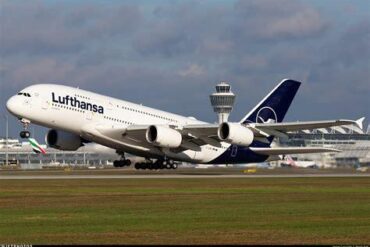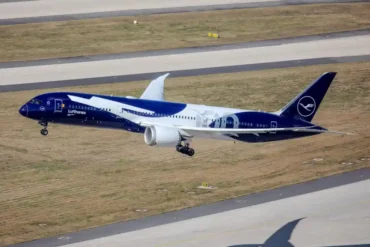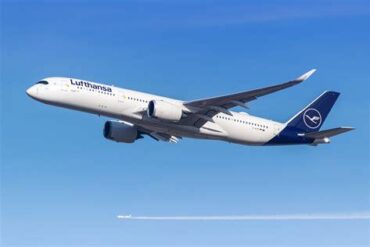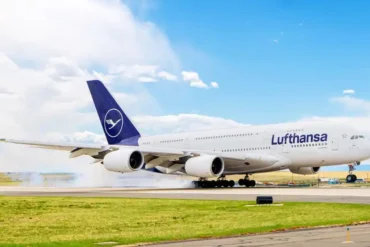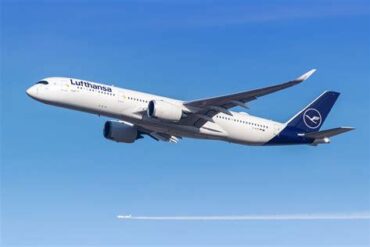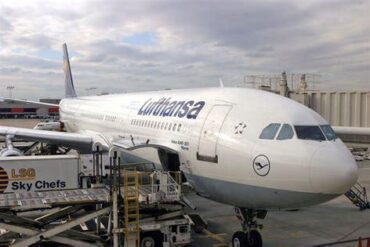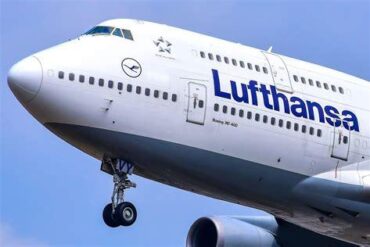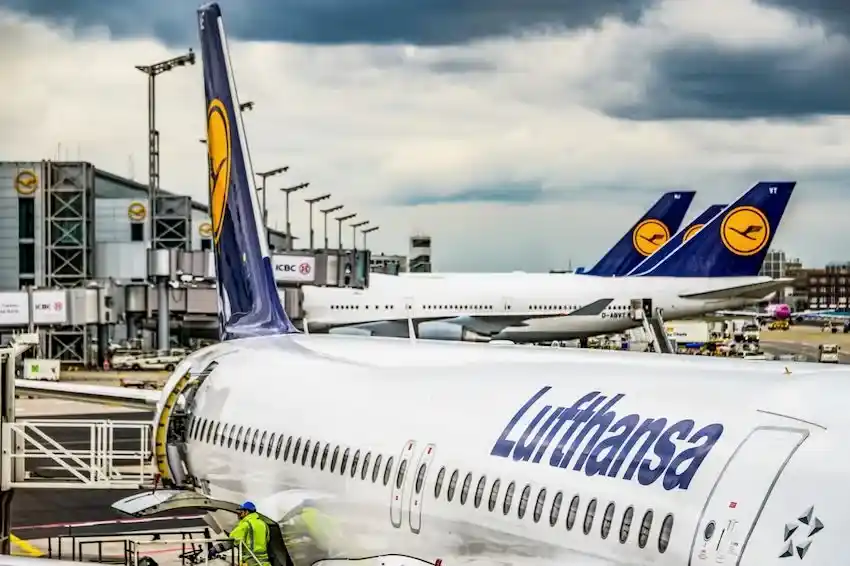
Lufthansa has strengthened its position across Germany’s two largest aviation gateways by introducing nine additional routes for the Summer 2026 season, reinforcing its role as the dominant carrier at both Frankfurt Airport (FRA) and Munich Airport (MUC). The expansion highlights the airline’s ongoing strategy of optimizing hub connectivity, restoring previously suspended services, and deploying its own aircraft on routes that were formerly operated by regional partners.
According to industry scheduling data, Lufthansa accounts for approximately 52% of all services at Frankfurt and 56% at Munich, making the airline the backbone of air travel at both hubs. The Summer 2026 schedule, which runs from March 29 through October 24, introduces a mix of restored destinations, seasonal upgrades, and strategic aircraft deployment changes that strengthen Lufthansa’s European and long-haul network.
Rather than simply adding new dots to a route map, the expansion reflects a broader operational shift. Several destinations have returned after years of absence, while others are seeing Lufthansa metal replace operations previously handled by Air Dolomiti. The result is a more visible Lufthansa presence across key European markets and selected long-haul destinations.
Lufthansa’s Summer 2026 Expansion Strategy
The addition of nine routes may appear modest at first glance, but the underlying network changes are significant. Lufthansa continues to refine its hub-and-spoke model by concentrating operations through Frankfurt and Munich while improving connectivity across Europe, South America, Africa, and Scandinavia.
Some of the newly counted routes are not entirely new in the traditional sense. Certain services previously operated during winter seasons only are now available throughout summer, while others represent the return of destinations absent from Lufthansa’s schedule for many years. This distinction is important because route additions often involve strategic network restructuring rather than the launch of completely new city pairs.
The airline’s decision also comes during a period of operational transformation following the closure of Lufthansa CityLine and increasing integration of network planning across Lufthansa Group carriers. In several cases, Lufthansa is taking direct control of markets that had previously relied on regional operators.
Five New Lufthansa Routes From Munich Airport
Munich receives the largest share of the airline’s Summer 2026 growth, with five routes now operated directly by Lufthansa.
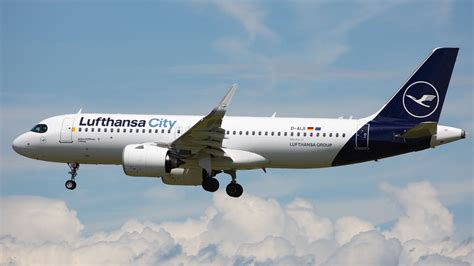
The most notable restoration is undoubtedly Munich–Istanbul Airport, which returns after an absence dating back to 2015. Lufthansa resumed the route on the opening day of the Summer 2026 season, deploying the fuel-efficient Airbus A320neo on daily operations. Istanbul remains one of Europe’s most strategically important aviation markets, serving as a major gateway between Europe, Asia, Africa, and the Middle East.
Competition on the route is intense. Turkish Airlines operates up to five daily flights, while Pegasus Airlines and AJet also serve the broader Munich-Istanbul market. Lufthansa’s return demonstrates confidence in both business and leisure demand between Germany and Türkiye.
Additional Munich route additions include:
- Geneva
- Istanbul Airport
- Johannesburg
- São Paulo
- Rijeka
Johannesburg represents a particularly important development because the South African route was previously limited primarily to winter operations. By extending service into the summer schedule, Lufthansa significantly increases annual capacity between Munich and Southern Africa.
Similarly, São Paulo benefits from expanded seasonal availability. Summer operations on the Brazilian route have been largely absent for years, making its inclusion in the Summer 2026 network a notable enhancement for both business travelers and connecting passengers.
The Croatian coastal destination of Rijeka returns under Lufthansa operation after previously being handled by Air Dolomiti, while Geneva sees Lufthansa re-establish a stronger direct presence alongside existing regional services.
Munich-Istanbul Returns After Eleven Years
Among all additions, Munich–Istanbul stands out as the most symbolic.
The route reconnects two major aviation centers and restores a link that disappeared from Lufthansa’s Munich network more than a decade ago. Historically, Lufthansa operated as many as three daily frequencies on the sector, reflecting strong passenger demand and substantial corporate travel flows.
The restored service departs Munich late in the evening and arrives in Istanbul shortly after midnight, before returning during the early morning hours. This scheduling pattern maximizes aircraft utilization while offering convenient connections through both hubs.
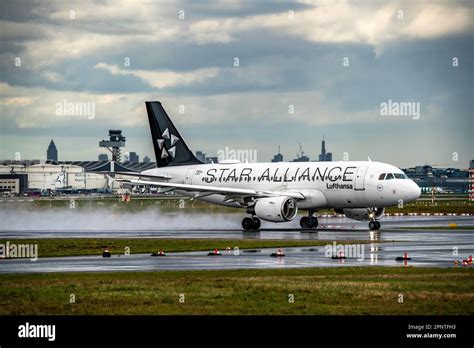
The route also strengthens Star Alliance connectivity by complementing Turkish Airlines’ extensive network from Istanbul Airport, creating additional transfer opportunities for passengers traveling beyond Europe.
Frankfurt Gains Four Additional Routes
While Munich receives the majority of new additions, Frankfurt also benefits from important network growth.
Lufthansa has introduced four routes from its largest hub:
- Biarritz
- Figari
- Geneva
- Trondheim
Three of these routes—Biarritz, Figari, and Geneva—replace services previously operated by Air Dolomiti. The changes increase Lufthansa’s direct operational footprint while maintaining connectivity to important European destinations.
The most interesting addition from Frankfurt is undoubtedly Trondheim, marking Lufthansa’s return to the Norwegian city after more than a decade.
Lufthansa Returns To Trondheim And Expands Norway Presence
Lufthansa resumed Frankfurt–Trondheim flights on May 1, 2026, deploying a mix of Airbus A319s, A320s, and A320neos. The service operates three times weekly and represents a strategic investment in Scandinavia.
Trondheim previously appeared in Lufthansa’s network during 2011 and 2012, when Boeing 737-500s and Embraer regional aircraft supported operations. The modern relaunch reflects changing demand patterns and the airline’s confidence in Norway’s growing importance as both a business and leisure destination.
The addition further strengthens Lufthansa’s already substantial Norwegian network. During Summer 2026, the carrier serves:
- Bergen
- Oslo
- Stavanger
- Tromsø
- Trondheim
From Munich, Lufthansa additionally serves Bergen, Oslo, Tromsø, and Trondheim.
Combined, the airline operates up to 17 daily departures between Germany and Norway, approaching the historical record of 18 daily services achieved in 2012. This level of connectivity highlights the enduring strength of travel demand between the two countries.
What The New Routes Mean For Lufthansa
The Summer 2026 route additions reveal a clear strategic direction. Lufthansa is focusing on network depth rather than rapid expansion, restoring proven markets, increasing year-round availability on successful long-haul routes, and consolidating operations under the Lufthansa brand.
Several additions involve replacing Air Dolomiti-operated services, but others represent genuine growth through restored destinations and expanded seasonal flying. The return of Istanbul from Munich, the strengthening of South American and African connectivity, and the reintroduction of Trondheim collectively demonstrate a balanced approach that targets both leisure and business demand.
As Europe’s aviation market continues evolving, Lufthansa’s Summer 2026 schedule reinforces the airline’s dominance at Frankfurt and Munich while enhancing connectivity across three continents. The nine-route expansion may appear selective, but its impact on network strength, hub efficiency, and passenger choice is substantial.