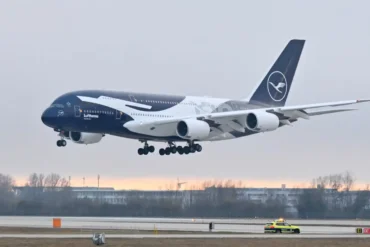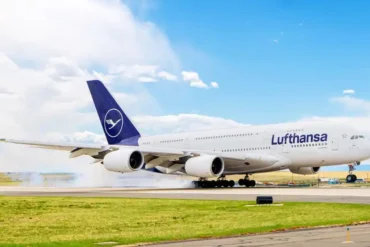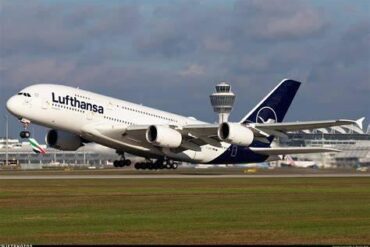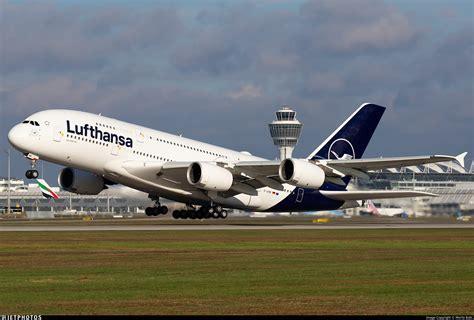
Lufthansa’s decision to bring the Airbus A380 back from near-retirement has become one of the most remarkable fleet management stories in modern aviation. Yet while much attention has focused on the return of the world’s largest passenger aircraft, another significant development has unfolded more quietly. The German flag carrier has effectively relocated its entire reactivated Airbus A380 fleet away from Frankfurt Airport and concentrated operations in Munich, creating a dramatic shift in its long-haul network strategy.
What initially appeared to be a temporary operational adjustment has evolved into a cornerstone of Lufthansa’s broader expansion plans. The move reflects changing market dynamics, aircraft delivery delays, infrastructure advantages, and the airline’s long-term ambition to strengthen Munich as a global intercontinental hub.
Lufthansa’s Unexpected Airbus A380 Comeback
Only a few years ago, the prospect of Lufthansa operating Airbus A380 aircraft again seemed highly unlikely. Like many airlines during the COVID-19 pandemic, Lufthansa faced an unprecedented collapse in international travel demand. Massive four-engine aircraft suddenly appeared economically unsustainable in an environment characterized by border closures, travel restrictions, and dramatically reduced passenger volumes.
As a result, Lufthansa parked its Airbus A380 fleet and began evaluating whether the aircraft would ever return to commercial service. Industry observers widely expected the airline to permanently retire the superjumbos and accelerate fleet modernization through newer, more fuel-efficient aircraft.
However, Lufthansa ultimately chose a more cautious approach. Instead of eliminating the entire fleet, the airline returned six A380s to Airbus while preserving eight aircraft in long-term storage at Teruel Airport in Spain. This decision would later prove critical as global travel demand recovered far faster than many airlines anticipated.
The strategy required significant patience and financial commitment. Maintaining dormant aircraft for years carries substantial costs, yet Lufthansa leadership believed preserving future flexibility outweighed the risks.
Chief Executive Carsten Spohr later described the decision as a calculated gamble that paid off. As international markets reopened and passenger demand surged, Lufthansa suddenly possessed a valuable reserve of high-capacity aircraft capable of generating immediate capacity growth.
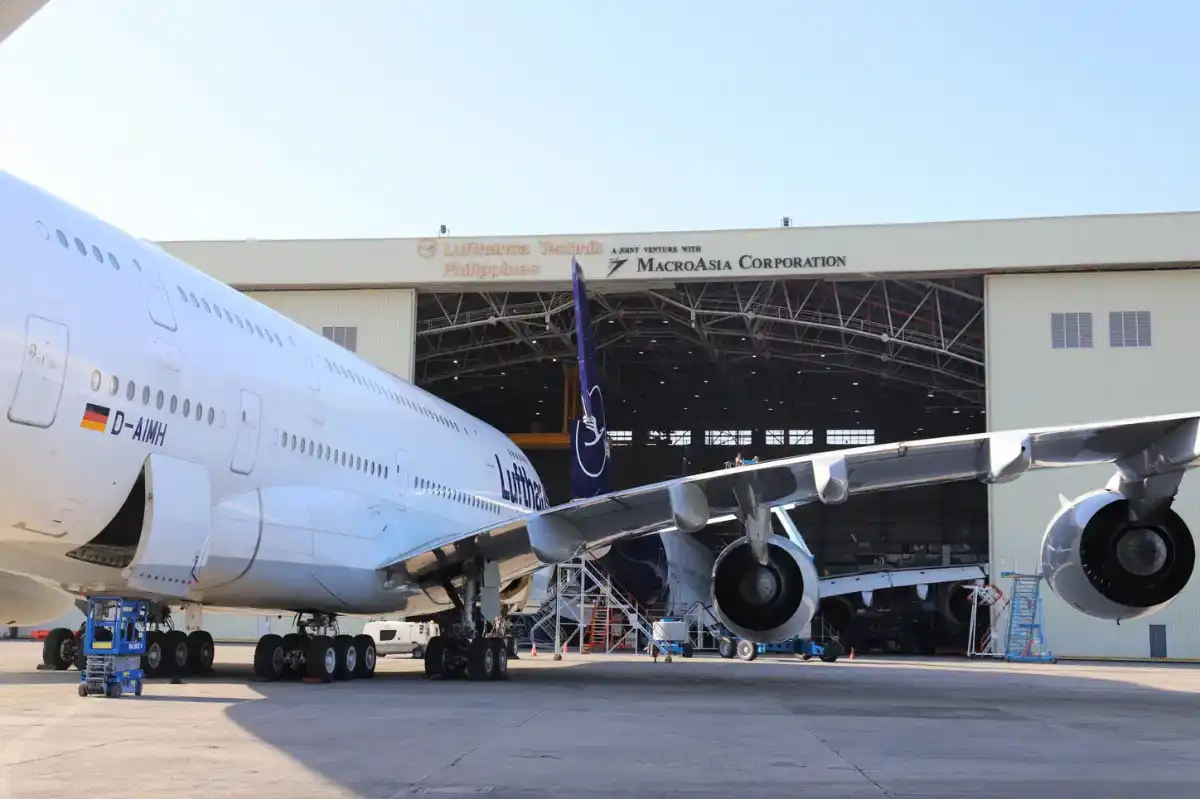
After extensive maintenance programs and reactivation work, all eight remaining Airbus A380s gradually returned to service, transforming what many considered obsolete assets into some of the airline’s most valuable aircraft.
The Shift Away From Frankfurt Began Before The Pandemic
Contrary to popular perception, Lufthansa’s decision to move A380 operations away from Frankfurt was not created by the pandemic. The transition had already begun years earlier.
In 2019, Lufthansa operated fourteen Airbus A380 aircraft. At that time, nine were based at Frankfurt while five were stationed in Munich. Plans were already underway to gradually rebalance operations between Germany’s two largest aviation hubs.
Over the following year, additional aircraft were scheduled to relocate southward, creating an equal split between Frankfurt and Munich. Then the pandemic arrived, disrupting fleet plans across the global aviation industry.
Although COVID-19 temporarily halted implementation, Lufthansa never abandoned the underlying strategy. Instead, the crisis merely interrupted a process already underway.
When the airline eventually decided to reactivate the surviving fleet, management effectively completed the transition. Rather than returning aircraft to Frankfurt, every reactivated Airbus A380 was assigned to Munich.
This outcome suggests that Munich had already been identified as the preferred long-term home for the superjumbo fleet before aviation’s greatest crisis temporarily froze strategic planning.
Why Lufthansa Needed The Airbus A380 Again
The revival of Lufthansa’s A380 fleet was driven by two powerful industry realities.
First, passenger demand recovered dramatically after the pandemic. International travel rebounded faster than many forecasts predicted, creating capacity shortages on major long-haul routes.
Second, aircraft manufacturers struggled to deliver new aircraft on schedule.
Lufthansa’s fleet modernization program represents the largest aircraft renewal initiative in the airline’s history. The carrier has committed to hundreds of new aircraft, including Airbus A350s, Boeing 787 Dreamliners, Boeing 777-9s, Airbus A220s, Airbus A320neos, Airbus A321neos, and Boeing 737 MAX aircraft.
However, production bottlenecks have significantly delayed deliveries.
Airbus has experienced challenges increasing A350 production rates, while Boeing’s 777X program has suffered years of certification and development delays. The Boeing 777-9, originally expected much earlier, remains one of aviation’s most delayed commercial aircraft programs.
For Lufthansa, these delays created a serious capacity gap.
The airline needed aircraft immediately, not years into the future. Reactivating the Airbus A380 offered a practical solution. Each aircraft could transport more than 500 passengers, providing enormous capacity on high-demand routes without requiring new deliveries.
Instead of waiting for manufacturers to catch up, Lufthansa utilized assets already available within its fleet.
Munich’s Growing Importance In Lufthansa’s Network
The decision to base all A380 operations in Munich reflects the airport’s growing strategic significance.
For decades, Frankfurt served as Lufthansa’s dominant global hub. It remains Germany’s largest airport and one of Europe’s most important aviation gateways. Nevertheless, Munich has steadily evolved into an equally important pillar of Lufthansa’s network.
The airline has invested heavily in the Bavarian hub over the past two decades. One of the most significant milestones came in 2003 with the opening of Terminal 2, developed through a partnership between Lufthansa and Munich Airport.
The terminal quickly became one of Europe’s most efficient hub facilities, helping Lufthansa streamline connections and improve passenger experience.
Success led to further expansion. In 2016, a dedicated satellite terminal opened, increasing capacity and operational flexibility. Additional expansion projects continue today as Munich prepares for future traffic growth.
These investments created an environment ideally suited for large-scale long-haul operations, including Airbus A380 services.
Unlike many airports that required costly modifications to accommodate superjumbos, Munich already possessed the infrastructure necessary to support expanded A380 operations. Gates, taxiways, passenger facilities, and operational procedures were already in place.
Consequently, Lufthansa could reactivate A380 services quickly without waiting for major airport upgrades.
Frankfurt Already Had Plenty Of Large Aircraft
Another major factor behind the relocation involves fleet distribution.
Frankfurt remains home to Lufthansa’s Boeing 747 fleet, including both the Boeing 747-8 and the aging Boeing 747-400.
Combined, these aircraft already provide substantial high-capacity long-haul capability. With roughly twenty jumbo jets operating from Frankfurt, Lufthansa faced less pressure to add additional superjumbos at the airport.
Meanwhile, Munich lacked a comparable concentration of very large aircraft.
By assigning Airbus A380s to Munich, Lufthansa achieved a more balanced distribution of capacity between its two hubs.
The strategy prevented excessive concentration of large aircraft at Frankfurt while simultaneously strengthening Munich’s ability to compete with other major European gateways.
The approach also supports Lufthansa’s multi-hub philosophy, ensuring both Frankfurt and Munich maintain robust long-haul networks capable of serving different passenger markets.
How The Airbus A350 Complements The A380 In Munich
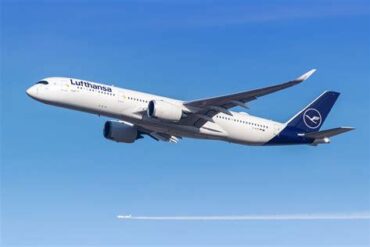
A key element of Lufthansa’s Munich strategy involves pairing Airbus A380s with Airbus A350-900 aircraft.
The A350 has become one of Lufthansa’s flagship long-haul aircraft, offering excellent fuel efficiency, passenger comfort, and operational flexibility.
While the A350 serves routes requiring moderate capacity, the A380 handles markets where demand justifies significantly larger aircraft.
This combination allows Lufthansa to tailor capacity more precisely across its network.
Interestingly, fleet assignments remain fluid. Lufthansa has transferred some A350 aircraft between Munich and Frankfurt as operational requirements change. Nevertheless, Munich continues to function as a major center for Airbus widebody operations.
The pairing of A350s and A380s creates a diversified long-haul fleet capable of addressing varying demand levels while maximizing operational efficiency.
The Routes That Keep Lufthansa’s A380 Fleet Busy
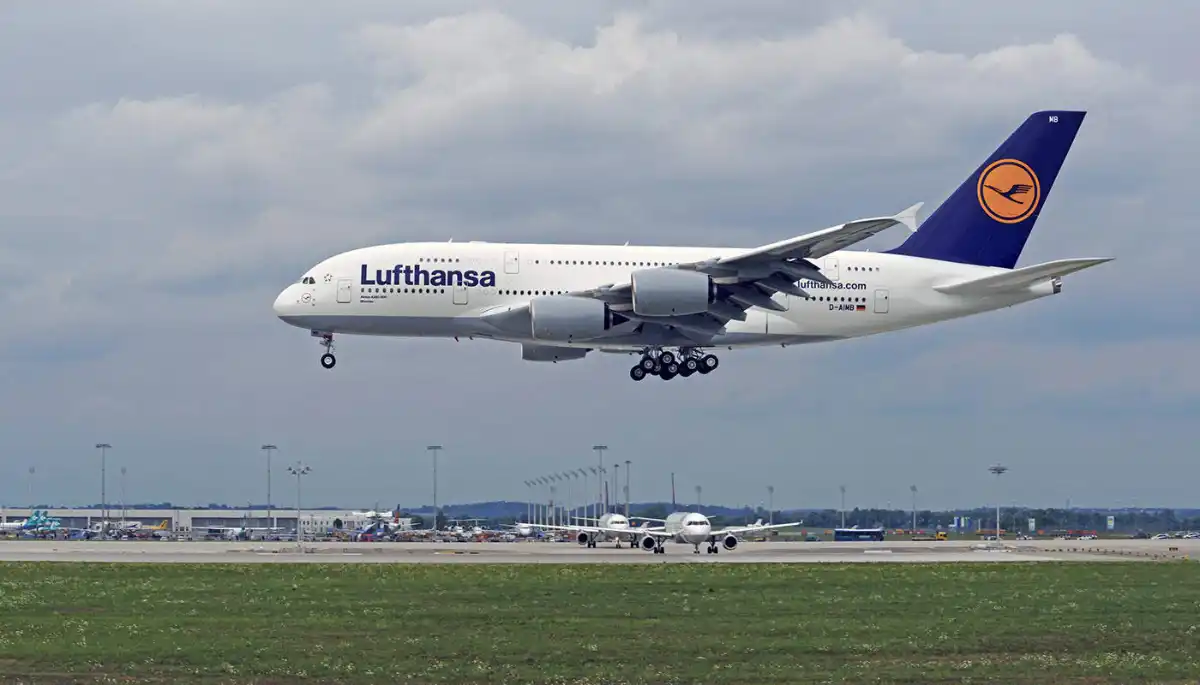
Today, Lufthansa’s Airbus A380 fleet operates primarily on high-demand international routes from Munich.
The aircraft regularly serve destinations where passenger volumes justify the enormous capacity provided by the superjumbo.
North America represents a particularly important market. Routes to Boston, Los Angeles, Washington D.C., and San Francisco have become key components of the Munich A380 network.
India also plays a significant role, with Delhi receiving regular Airbus A380 service.
These destinations combine strong business travel demand, premium-cabin traffic, tourism flows, and connecting passengers from across Europe.
The Airbus A380’s configuration allows Lufthansa to transport more than 500 passengers in a single flight, including First Class, Business Class, Premium Economy, and Economy Class cabins.
For heavily traveled markets, this capacity helps Lufthansa maximize slot utilization while maintaining strong connectivity through Munich.
The aircraft’s range of approximately 7,705 miles further enables nonstop operations across major transatlantic and intercontinental sectors.
Lufthansa’s Multi-Hub Strategy Is Driving The Decision
The relocation of the Airbus A380 fleet cannot be viewed in isolation. It forms part of Lufthansa’s broader multi-hub strategy.
Rather than concentrating growth exclusively in Frankfurt, the airline seeks to expand opportunities across multiple operational centers.
This approach provides flexibility, improves resilience, and allows Lufthansa to capture demand from different geographic regions.
Munich has become especially important for leisure travel growth, premium long-haul services, and international connectivity. Lufthansa has consistently expanded both short-haul feeder routes and long-haul services supporting the hub.
The airline even operates frequent flights between Frankfurt and Munich, creating seamless connections between the two airports and enhancing network efficiency.
By strengthening Munich with Airbus A380 operations, Lufthansa creates a more balanced system capable of supporting future growth without overwhelming a single hub.
Why The Airbus A380 Is Likely To Remain In Munich For Years
Although aircraft delivery delays helped trigger the Airbus A380 revival, Lufthansa’s recent investments suggest the fleet is no longer merely a temporary solution.
The airline has begun extensive refurbishment work on all eight aircraft, including upgrades to business-class cabins. Such investments require significant resources and typically indicate a long-term commitment rather than a short-term stopgap measure.
Refurbishing aging aircraft only makes sense when management expects meaningful future utilization.
The ongoing modernization demonstrates confidence that the Airbus A380 will remain economically valuable despite the arrival of newer aircraft later this decade.
For Lufthansa, the superjumbo continues to offer unique advantages. Few aircraft can match its passenger capacity, premium cabin potential, and ability to efficiently serve slot-constrained airports.
As demand remains strong and fleet renewal progresses gradually, the Airbus A380 appears set to remain a prominent feature of Lufthansa’s Munich operation well into the future.
What began as an emergency response to extraordinary circumstances has evolved into a carefully integrated network strategy. Munich has emerged as the undisputed home of Lufthansa’s reactivated Airbus A380 fleet, while Frankfurt continues to rely on its substantial Boeing 747 operation. Together, these decisions reveal how one of Europe’s largest airlines has adapted to shifting market realities, manufacturing delays, and evolving passenger demand—turning a near-retired fleet into a central component of its long-haul growth ambitions.