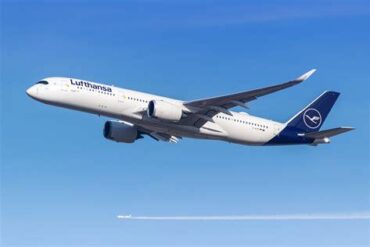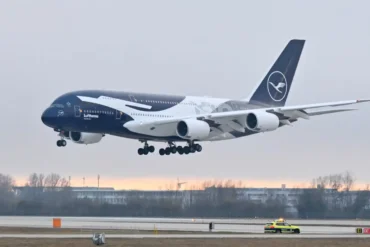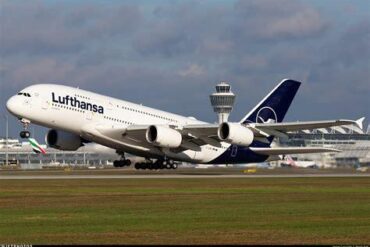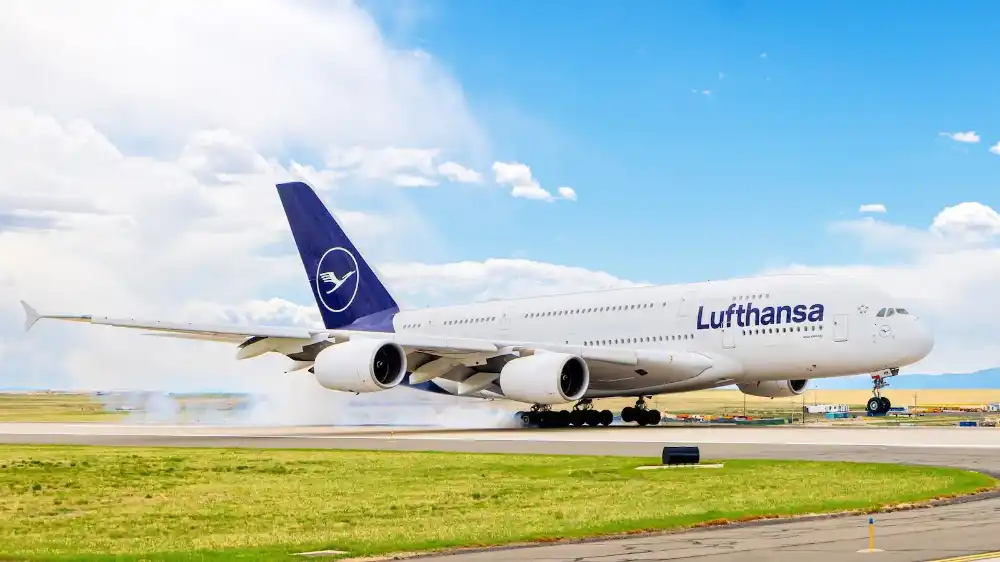
The Airbus A380 remains one of commercial aviation’s most recognizable aircraft, and Lufthansa continues to rely on the superjumbo for select high-demand long-haul markets. Although the German flag carrier significantly reduced its A380 fleet following the pandemic, the aircraft still plays an important role in connecting Munich with major destinations across North America and Asia.
With eight active routes planned between June and December 2026, Lufthansa’s A380 operation reflects a strategy focused on premium demand, airport slot constraints, and markets capable of supporting nearly 500 seats on every departure. The network also demonstrates how the airline is adapting capacity based on passenger trends and operational performance.
Lufthansa’s Airbus A380 Fleet and Current Operating Strategy
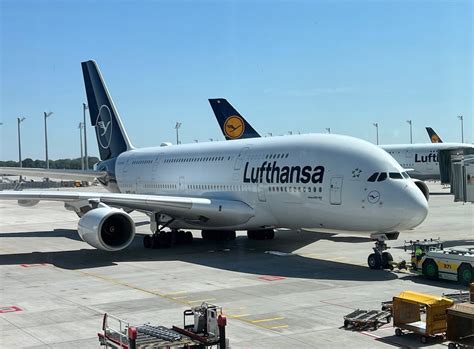
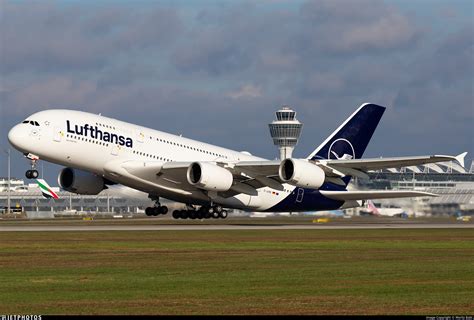
Lufthansa currently operates a fleet of eight Airbus A380 aircraft after retiring six examples from its original order. Unlike previous years, every scheduled A380 flight now departs exclusively from Munich Airport (MUC), making Bavaria the airline’s dedicated superjumbo hub.
The carrier previously based the aircraft in Frankfurt, but that chapter ended in 2020. Concentrating operations in Munich simplifies fleet management while allowing Lufthansa to deploy its largest aircraft on routes with consistently strong demand.
Several aircraft are also undergoing modernization. One airframe, registered D-AIMH, is receiving Lufthansa’s latest business class cabin, reducing seating capacity from 509 to 499 seats while significantly upgrading the premium experience.
The Complete List of Lufthansa A380 Routes in 2026
According to Lufthansa’s published schedule for the second half of 2026, the Airbus A380 serves the following destinations from Munich:
- Bangkok Suvarnabhumi Airport (BKK) – Daily service beginning October 24
- Mumbai Airport (BOM) – Daily from July 6 through October 24
- Boston Logan International Airport (BOS) – Daily until October 23
- Delhi Indira Gandhi International Airport (DEL) – Daily year-round
- Denver International Airport (DEN) – Daily from July 1 through September 27
- Los Angeles International Airport (LAX) – Daily until late October, then six weekly
- San Francisco International Airport (SFO) – Three weekly until late October, then six weekly
- Washington Dulles International Airport (IAD) – Daily until October 23
This carefully selected network combines leisure markets, major business destinations, and cities where airport capacity limitations make larger aircraft economically attractive.
Mumbai Becomes Lufthansa’s Newest Airbus A380 Destination
One of the most significant developments for 2026 is the introduction of Airbus A380 service between Munich and Mumbai (BOM). The route marks the first time Lufthansa has assigned its flagship aircraft to India’s financial capital.
The daily operation runs from July 6 through October 24, using both refurbished and legacy-configured aircraft. Deploying the A380 enables Lufthansa to offer substantially more seats during a period when passenger demand remains elevated.
Industry observers also note that geopolitical developments affecting Middle Eastern connecting hubs have encouraged more travelers to seek nonstop or alternative European routing options, creating favorable conditions for higher-capacity aircraft on the Munich–Mumbai corridor.
Following the summer schedule, Lufthansa plans to revert the route to the Airbus A350-900 beginning October 25.
North America Continues to Receive Significant A380 Capacity
The United States remains a major focus for Lufthansa’s superjumbo deployment strategy. Four American destinations receive Airbus A380 service during portions of 2026, although schedules differ based on seasonal demand.
Boston and Washington Dulles enjoy daily operations through most of the summer season, while Los Angeles maintains daily frequencies until late October before dropping slightly to six weekly flights.
San Francisco follows a more unusual pattern. The route receives only three weekly A380 services during summer before increasing to six weekly operations in winter, illustrating Lufthansa’s willingness to match capacity with expected seasonal traffic rather than maintaining identical schedules year-round.
Denver presents perhaps the most interesting case. After making history in 2025 as the Colorado airport’s first scheduled Airbus A380 destination, Lufthansa shortens the operating season considerably in 2026.
Why Denver Receives Fewer Airbus A380 Flights
Lufthansa’s reduced Denver schedule appears closely linked to passenger performance data from the previous year.
Although traffic volumes increased substantially after introducing the larger aircraft, seat capacity expanded even faster. Official figures showed the airline filled only 77.6% of available A380 seats, noticeably lower than when smaller aircraft previously operated the route.
As a result, 2026 A380 service runs only between July 1 and September 27, reducing overall capacity while still preserving peak-season connectivity.
The adjustment illustrates how airlines continuously evaluate aircraft assignments using actual booking performance rather than prestige alone. Even an iconic aircraft like the Airbus A380 must justify its economics through sufficient passenger demand.
Asian Routes Continue to Anchor the Fleet
Asia remains equally important within Lufthansa’s A380 network.
Delhi enjoys year-round daily superjumbo service, reflecting stable demand from both business travelers and connecting passengers. Bangkok also retains an important position, with daily Airbus A380 flights beginning in late October as the winter travel season starts.
These destinations benefit from strong tourism flows, extensive commercial ties with Germany, and airport environments where maximizing passengers per slot offers strategic advantages.
The aircraft’s large premium cabin also supports Lufthansa’s focus on attracting higher-yield travelers across long-haul Asian markets.
Reduced June Operations Reflect Fleet Changes
Despite maintaining eight destinations across the broader schedule, Lufthansa actually offers fewer Airbus A380 departures during June 2026 than it did one year earlier.
Operational data indicates only 132 departures from Munich during the month compared with 180 departures in June 2025, representing a decline of approximately 27%.
Part of this reduction stems from one aircraft temporarily leaving service for cabin refurbishment, while another factor is the absence of Denver flights during June.
The modernization program is expected to improve passenger experience once additional aircraft receive Lufthansa’s newest premium products.
San Francisco Remains a Route to Watch
Among all destinations, San Francisco International Airport may provide the greatest insight into Lufthansa’s future A380 planning.
After the aircraft returned to the route in late 2025 following several years away, combined operational data suggested weaker-than-desired passenger loads. Overall load factors reportedly fell to around 67%, even lower than already modest figures from the previous comparison period.
Rather than abandoning the aircraft entirely, Lufthansa has chosen a more measured approach by limiting summer frequencies before expanding again during winter, suggesting confidence that seasonal demand patterns may produce stronger results.
This flexible deployment demonstrates the airline’s willingness to adapt schedules while preserving strategic market presence.
Lufthansa’s Eight-Route A380 Network Highlights a Targeted Strategy
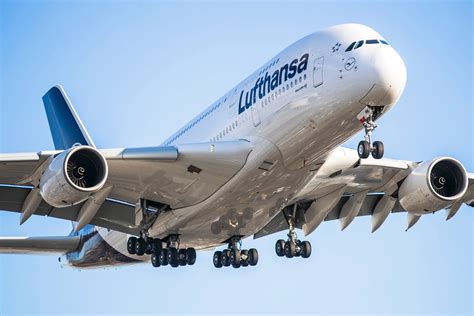
Rather than operating the Airbus A380 across an extensive global network, Lufthansa has adopted a focused deployment model centered entirely on Munich. The airline uses its flagship aircraft where passenger demand, airport constraints, and premium traffic justify the additional capacity, while relying on more efficient widebody types elsewhere.
The resulting eight-route network spans major cities in North America and Asia, balancing established markets like Los Angeles and Delhi with newer opportunities such as Mumbai. As fleet refurbishments continue and market conditions evolve, Lufthansa’s A380 schedule may change further, but the superjumbo remains a visible and strategically important part of the carrier’s long-haul operation throughout 2026.