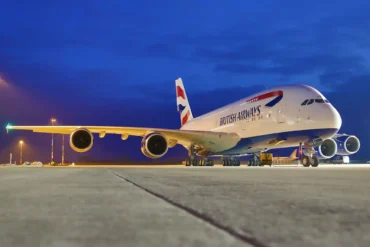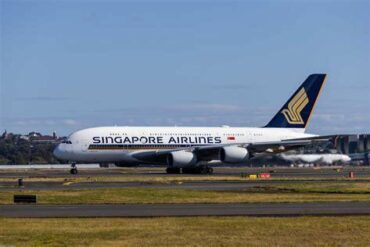
Once considered a dying breed in the age of smaller, fuel-efficient twinjets, the Airbus A380 is staging a dramatic comeback. Once parked in desert storage lots and written off by many in the industry, the world’s only full-length double-decker passenger aircraft is now seeing a resurgence in demand—particularly on a select group of high-capacity, high-frequency routes. The summer schedule of 2026 proves one thing decisively: the A380 is anything but obsolete.
The superjumbo will be deployed across 96 airport pairs globally, serving as a flagship aircraft for ten leading airlines, including Emirates, Singapore Airlines, British Airways, Lufthansa, Qantas, and All Nippon Airways. This marks a significant rise in its utilization, powered by post-pandemic recovery, slot constraints at major hubs, and ever-growing demand on premium intercontinental corridors.
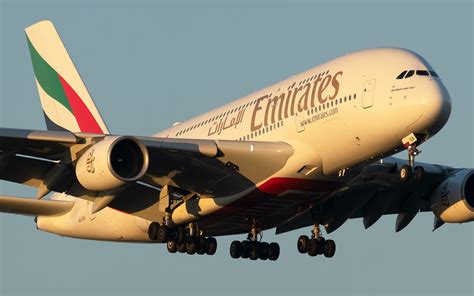
A 50% Jump in Most-Served A380 Routes
According to the latest Cirium Diio data, the number of airport pairs with four or more daily A380 flights has risen by 50%, reflecting a sharp strategic pivot by airlines. This increase is not just numerical—it reflects a deeper, structural shift in aviation demand. Leading the way is the Dubai–Singapore route, now set to have four daily A380 flights, with Singapore Airlines joining Emirates for the first time in years. This marks a notable evolution in the route’s competitive dynamics and hints at a renewed regional arms race.
The route spans 3,157 nautical miles (5,847 km) and saw its first A380 service in 2012. While Emirates has dominated this corridor, Singapore Airlines’ decision to operate its flagship aircraft here again—after two trial round-trips—indicates long-term commitment. The timing is no coincidence. The move follows Etihad’s A380 reintroduction on the Abu Dhabi–Singapore sector and Qatar Airways’ plan to join the A380 party from Doha in 2026.
Dubai to London Heathrow: The Crown Jewel of A380 Routes
The Dubai–London Heathrow route remains the undisputed leader of the A380 world. This six-times-daily rotation, all operated by Emirates, is not just a logistical marvel but a financial juggernaut. According to internal estimates and statements by Sir Tim Clark, this single corridor is more profitable than all of Emirates’ routes to South Asia combined.
In the 12 months to October 2025, a staggering 1.4 million passengers flew this route without onward connections—translating to over 3,800 passengers daily. That’s only from Heathrow. Total London traffic, including transfers and Gatwick, exceeded two million travelers.
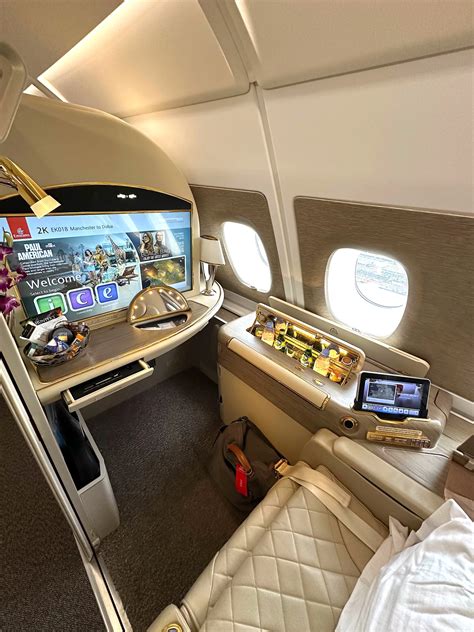
This surge is also driven by premium demand. All six A380s on this route are equipped with four-class configurations, ensuring a generous supply of first-class suites, business pods, and premium economy seats. Heathrow’s notorious slot scarcity further incentivizes airlines to upgauge to the largest aircraft available. It’s no surprise Emirates continues to operate this route with surgical precision, with flights scheduled across the day: from 7:05 am to 8:15 pm arrivals, and departures from 9:05 am to 10:15 pm.
Breaking Down the Busiest Superjumbo Routes of Summer 2026
Only three routes now have four or more daily A380 flights, but they are concentrated and strategic:
- Dubai–London Heathrow: 6 daily flights (Emirates)
- Dubai–Bangkok Suvarnabhumi: 4 daily flights (Emirates)
- Dubai–Singapore: 4 daily flights (Emirates + Singapore Airlines)
While British Airways operates A380s on the Dubai-Heathrow corridor during winter, it won’t contribute to the summer tally, keeping Emirates in full control of the seasonal narrative.
Bangkok’s inclusion is equally significant. With one flight extending to Hong Kong, Emirates maintains a stronghold in Southeast Asia. Demand across these markets is bolstered by both leisure and premium travel, with routes also acting as key connectors to Australia and the Pacific.
The Strategic Revival: Why Airlines Are Betting on the A380 Again
Why would airlines bring back the gas-guzzling A380 in an era obsessed with fuel efficiency and carbon reduction? The answer lies in market economics and passenger experience.
- Slot-constrained airports: Places like Heathrow, Changi, and JFK have limited room for additional flights. The only way to grow is to go bigger.
- High-capacity demand: With global air traffic now surpassing 2019 levels in many corridors, the sheer volume justifies larger aircraft.
- Premium product consistency: The A380 remains unmatched in cabin comfort, noise reduction, and layout flexibility, which translates to better yields.
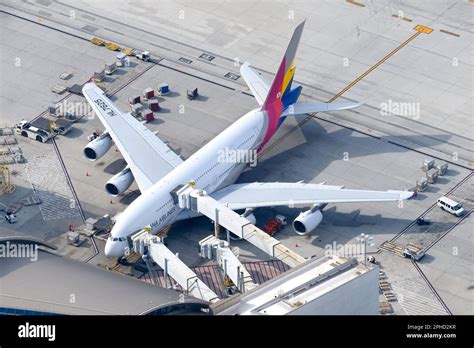
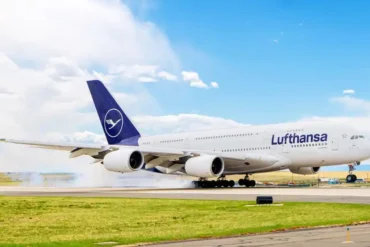
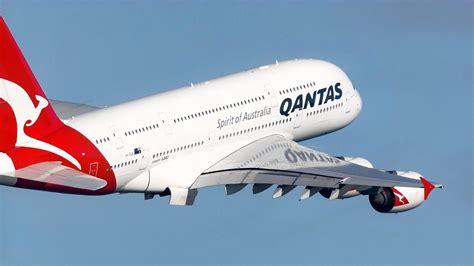
For Emirates, the superjumbo is more than an aircraft—it’s a branding tool and a flying hotel. For Singapore Airlines, it’s a statement of excellence. For Lufthansa, it’s about capacity where it counts—like the Munich to San Francisco route, which will see three weekly flights. Even Qantas continues its twice-weekly Melbourne to Los Angeles run and four-weekly Sydney to Johannesburg service with the type.
A380’s Global Footprint: 96 Routes and Growing
The 2026 summer season will see A380s flying across 96 airport pairs, operated by ten airlines. These routes stretch across the Americas, Europe, the Middle East, Asia, and Oceania. While most of the headlines go to Emirates and Singapore Airlines, Asiana, Korean Air, and Etihad continue to deploy the aircraft tactically.
Even time-limited services—like Singapore Airlines to Hong Kong or Emirates to Medinah—signal renewed willingness to adapt the aircraft for seasonal spikes. It’s no longer a question of whether the A380 fits into future fleets; it’s about where and when it can be used most effectively.
The Road Ahead: From Survival to Strategic Asset
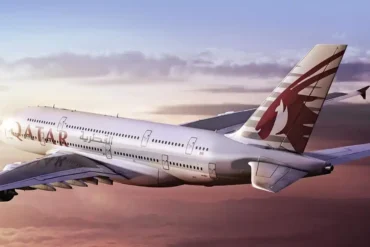
Just two years ago, the A380’s future looked bleak. Retirements were accelerating. Air France phased out its fleet. Qatar Airways sent several to long-term storage. Even Airbus ceased production in 2021, believing the era of four-engine aircraft had passed. But 2026 paints a new picture—one where the A380 isn’t merely surviving, but thriving on routes tailor-made for its scale.
The comeback is not without its caveats. The aircraft’s sheer size and fuel consumption still pose challenges for thinner routes. However, on trunk corridors with structural demand, it’s proving unbeatable.
Airlines are finding that a full A380 can outperform two half-empty A350s or 787s, especially when factoring in crew utilization, landing fees amortized per seat, and premium cabin profitability.
The A380 renaissance is a compelling narrative of adaptation, market dynamics, and the enduring appeal of aviation’s grandest machine. As more travelers return to the skies and airports max out their physical capacity, expect to see more superjumbos back in the air—not fewer.

The Airbus A380 isn’t dead. It’s finding new life on the very routes that were once considered its swan song—and turning them into a symphony of strategic success.