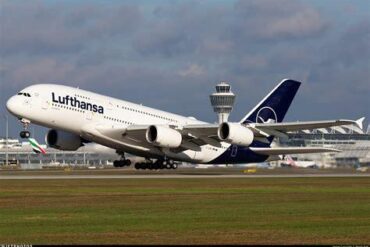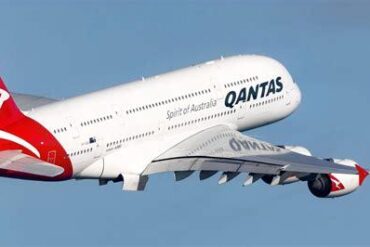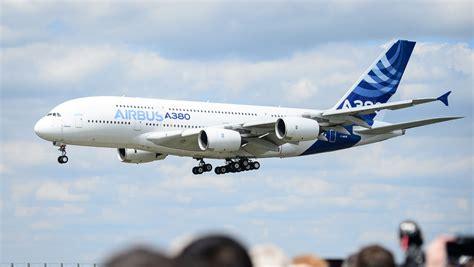
The Airbus A380 was never supposed to become a comeback story. Conceived as the ultimate answer to congested global hubs, it promised scale, comfort, and a redefinition of long-haul travel. Yet when production ceased in 2021 after just 251 deliveries, the industry quietly labeled it an ambitious miscalculation—a technological marvel that failed the unforgiving economics of modern aviation. Billions in development costs remained unrecovered, and the future belonged, it seemed, to smaller, fuel-efficient twin-engine jets.
And then something unexpected happened. Passengers refused to let it go.
Airlines that had once parked their A380 fleets in desert storage suddenly found themselves under pressure—not from regulators or competitors, but from travelers. Booking patterns began to shift. Travelers actively filtered flights to find the A380, prioritizing experience over marginal differences in ticket price or flight duration. What was once dismissed as an inefficient giant became a powerful commercial asset, driven not by spreadsheets, but by human preference.
This is the paradox of the Airbus A380: a machine that failed on paper, yet thrives in the real world.
When the Aircraft Becomes the Destination
The modern airline industry is built on optimization. Every seat, every kilogram of fuel, every square inch of cabin space is engineered for maximum return. Against this backdrop, the Airbus A380 feels almost rebellious—a machine designed not just to transport passengers, but to impress them.
Unlike any aircraft before it, the A380 transformed the idea of flight into an experience worth seeking out. Travelers do not merely book routes; they book the aircraft itself. The double-deck configuration, expansive cabin width, and unusually high ceilings create a spatial experience that no competitor has successfully replicated.
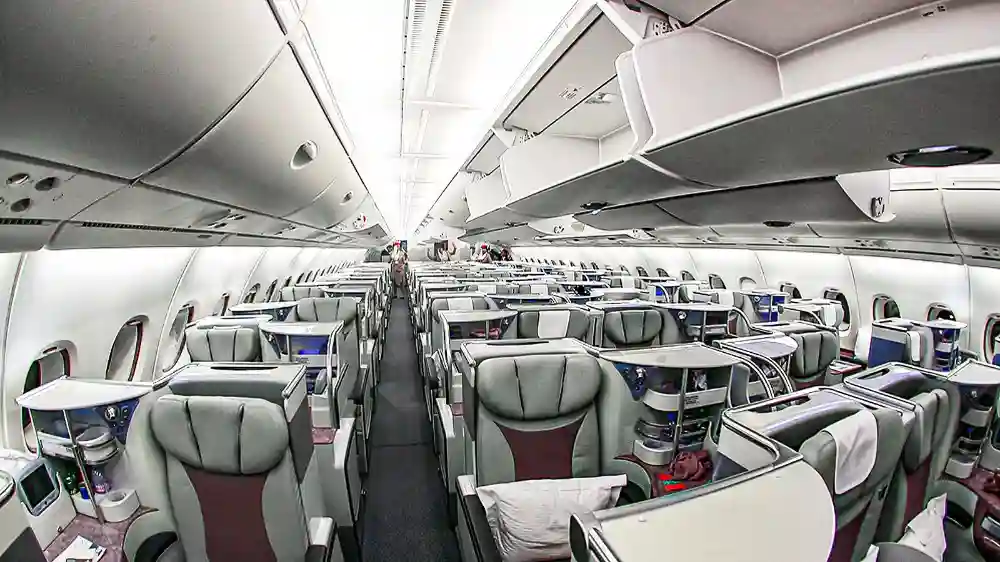
Even legendary aircraft fall short in this regard. The Concorde delivered unmatched speed but sacrificed comfort, squeezing passengers into a narrow fuselage. The Boeing 747, while iconic, still confined most travelers to a single-deck experience. The A380, by contrast, introduced volume as a luxury—an intangible yet immediately perceptible upgrade that reshaped passenger expectations.
This shift has created a rare phenomenon in aviation: brand loyalty not just to an airline, but to a specific aircraft type. In a market flooded with interchangeable options, the A380 stands apart as a deliberate choice.
Engineering Silence: The Quiet Cabin Advantage
One of the most underestimated aspects of the Airbus A380 is its acoustic environment. Air travel fatigue is often attributed to cramped seating or long durations, but noise plays an equally significant role. The constant hum of engines, the vibration through the fuselage, and the subtle but persistent background roar all contribute to passenger exhaustion.
The A380 addresses this problem with brute-force engineering elegance.
Its massive structure allows engines to be positioned further from the cabin, reducing direct noise transmission. Thick insulation layers and vibration-dampening mounts create a cocoon-like interior. The result is a measurable reduction in cabin noise—often between 3 to 5 decibels compared to older widebody aircraft.
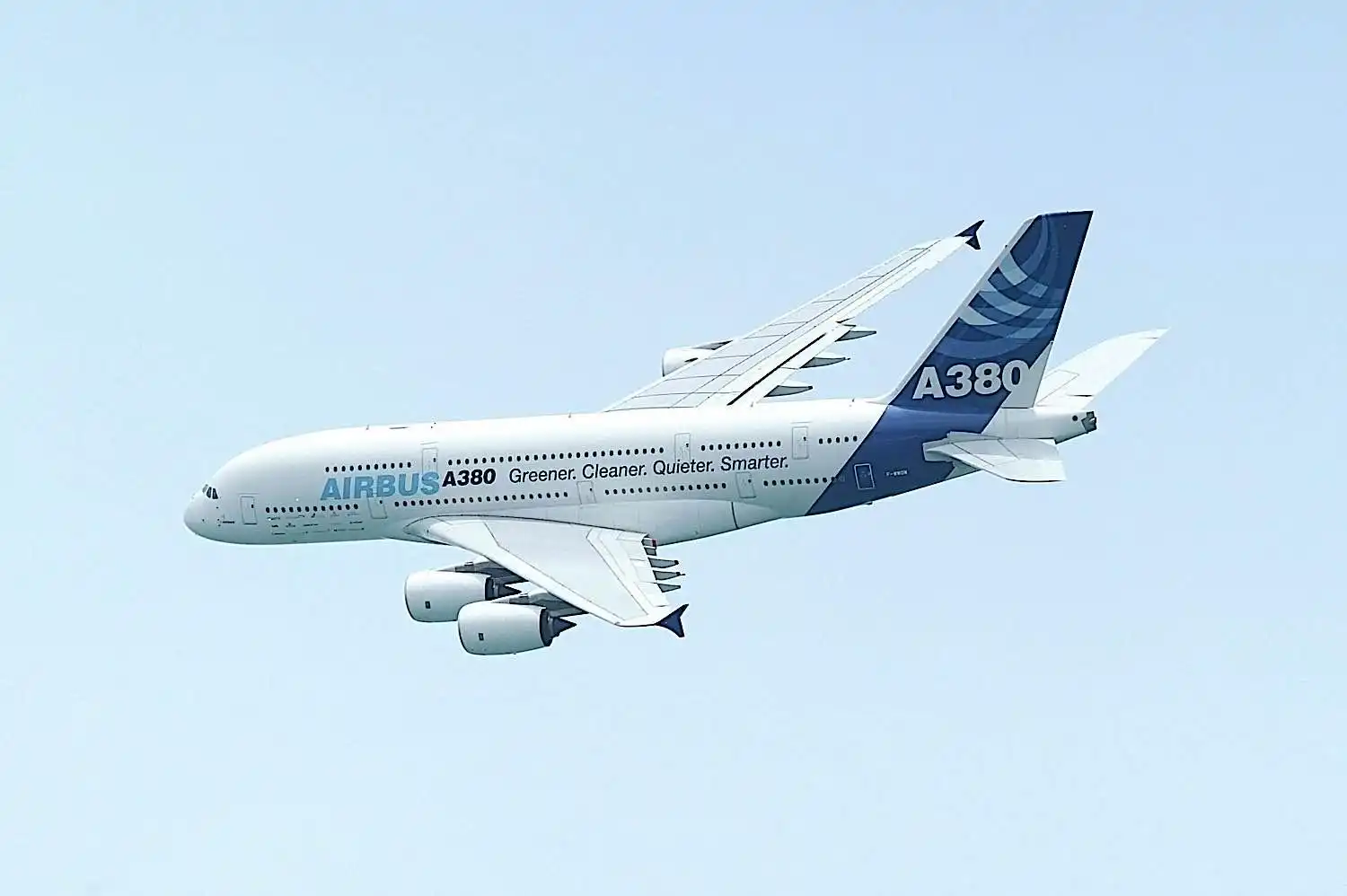
This difference may sound minor, but its impact is profound. Conversations can occur at normal volume. Sleep becomes deeper and less interrupted. The psychological effect is equally important: the cabin feels calmer, more controlled, almost detached from the chaos of air travel.
While newer aircraft like the Boeing 787 and Airbus A350 boast advanced aerodynamics and improved humidity, they cannot replicate the A380’s sheer physical advantage. The superjumbo’s size dampens the outside world in a way lighter composite aircraft cannot.
For passengers, the result is simple but powerful—they arrive feeling better.
Space Beyond Seats: Redefining In-Flight Living
The defining innovation of the Airbus A380 is not its capacity, but how it uses space. In most aircraft, unused space is a liability. On the A380, it becomes an opportunity.
The double-deck architecture creates areas that are not optimized for seating, opening the door to entirely new onboard experiences. Airlines have embraced this freedom, transforming sections of the aircraft into social environments rather than revenue-maximizing seat rows.
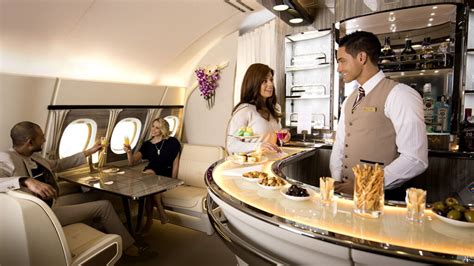
Emirates’ onboard lounge, with its curved bar and standing area, has become an icon of modern aviation. Etihad’s “The Lobby” offers a quieter, more intimate setting. Some configurations even include shower spas in first class—an almost surreal concept at 35,000 feet.
These features are not gimmicks; they fundamentally change how passengers interact with the flight. Instead of remaining confined to a seat for hours, travelers can move, socialize, or simply change their environment. The aircraft becomes a multi-zone living space: part office, part lounge, part bedroom.
This architectural flexibility enables premium products that are physically impossible on narrower aircraft. Singapore Airlines’ Suites, for example, offer private rooms with sliding doors and separate beds—closer to a boutique hotel than a traditional airline seat.
The A380 does not just transport passengers; it hosts them.
The Economics of Scale in a Slot-Constrained World
Romance alone does not keep a 500-seat aircraft in the sky. Behind the scenes, the A380’s survival is rooted in a harsh economic reality: airport congestion.
Major global hubs like London Heathrow operate at near-total capacity. Landing slots are scarce and extraordinarily valuable, often traded for tens of millions of dollars. In such an environment, increasing flight frequency is not always possible.
The solution is scale.
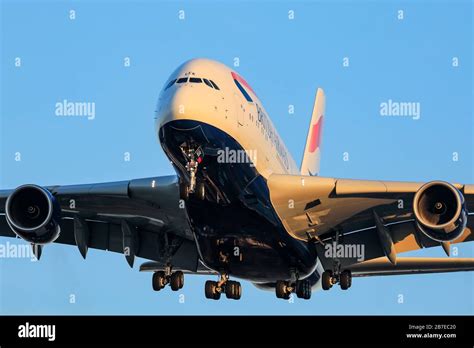
By carrying more passengers per flight, the A380 allows airlines to maximize revenue from a single slot. One fully loaded A380 can replace two smaller aircraft, reducing operational complexity while freeing up valuable airport access for other routes.
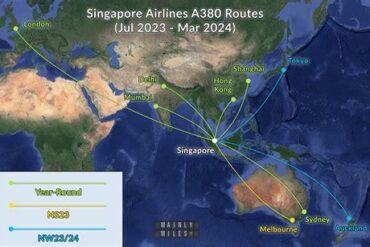
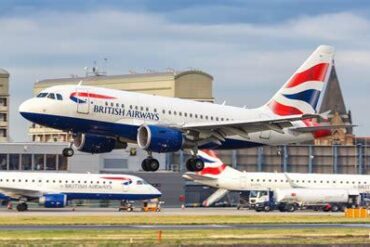
This strategy transforms the A380 into a force multiplier. Airlines save on crew costs, optimize slot usage, and maintain high passenger volumes on key routes. For carriers like Emirates, British Airways, and Singapore Airlines, the aircraft is not just viable—it is strategically indispensable.
However, this model depends on consistently high load factors. The A380 thrives when demand is strong, filling hundreds of seats with ease. In weaker markets, its economics become far less forgiving.
The Costly Gamble of Bringing Giants Back
Reactivating an Airbus A380 is not a simple decision. Aircraft that spent years in storage require extensive maintenance before returning to service, often involving the most intensive procedure in aviation: the D-check.
This process effectively disassembles the aircraft. Technicians inspect structural components, replace worn systems, and ensure every detail meets operational standards. The labor alone can exceed 100,000 hours per aircraft.
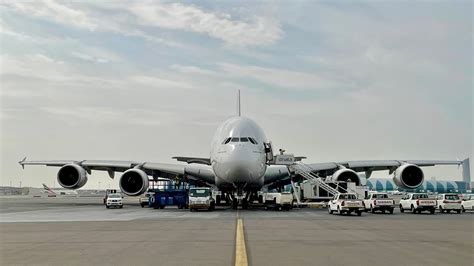
The financial commitment is equally staggering. Bringing a single A380 back into service can cost upwards of $30 million, excluding ongoing operational expenses. Airlines must be confident that demand will justify this investment over the long term.
Complicating matters further is the end of production. With Airbus no longer manufacturing A380s, spare parts are becoming increasingly scarce. Some operators rely on dismantling retired aircraft to sustain active fleets—a practice that underscores both the aircraft’s value and its vulnerability.
Despite these challenges, airlines continue to resurrect their A380s. The reason is simple: few alternatives can match its capacity and passenger appeal in the current market.
A Bridge to the Future Amid Industry Delays
The A380’s extended life is not solely a result of passenger demand. It is also a consequence of delays in next-generation aircraft programs, particularly the Boeing 777X.
Originally intended as a successor to high-capacity long-haul aircraft, the 777X has faced repeated setbacks, leaving airlines without a clear replacement for the A380. This gap has forced carriers to rethink their fleet strategies.
The superjumbo, once slated for retirement, has become a temporary solution to a very modern problem.
At the same time, external factors such as fluctuating fuel prices add uncertainty. The A380’s four engines consume more fuel than twin-engine alternatives, making it sensitive to market volatility. In periods of high fuel costs, its economic advantage can quickly erode.
And yet, for now, the balance holds.
An Icon That Refuses to Fade
The Airbus A380 occupies a unique position in aviation history. It is both a relic of a different era and a symbol of enduring passenger desire. While its long-term future remains uncertain, its current relevance is undeniable.
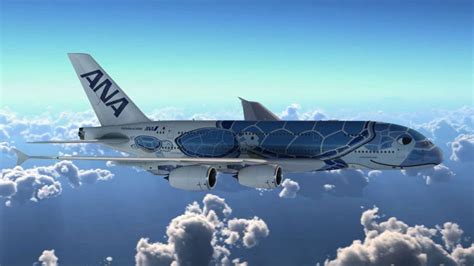
Different regions have embraced the aircraft in different ways. In Asia, it has become a symbol of leisure and prestige, with airlines like All Nippon Airways turning their A380s into themed experiences. In Europe and the Middle East, it remains a backbone of high-capacity international routes.
Timelines for retirement vary. Some fleets are expected to operate into the early 2030s, supported by refurbishments and strong demand. Others may phase out sooner as newer aircraft finally arrive.
What is clear, however, is that the A380 has already achieved something rare: it has transcended its original purpose.
The Legacy of the Airbus A380 Experience
The story of the Airbus A380 is not one of failure, but of misjudged success. It did not fail because passengers rejected it; it struggled because the industry was not structured to fully support it. Yet in an era where efficiency dominates decision-making, the A380 proves that experience still matters—sometimes more than expected.
Passengers have spoken with their choices, their bookings, and their loyalty. They have elevated an aircraft into an icon, reshaping airline strategies in the process.
The superjumbo may not dominate the skies forever. But for now, it continues to do something no spreadsheet can fully explain: it makes people want to fly.