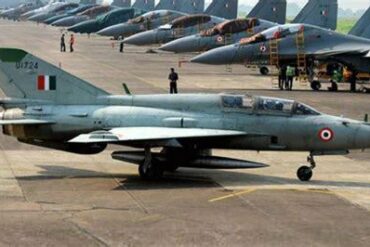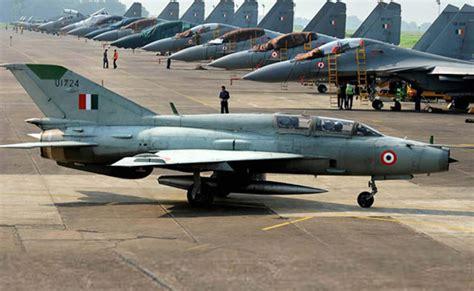
The MiG-21, one of the most iconic fighter jets in aviation history, is preparing for its final flight in the Indian Air Force (IAF) on September 19, closing a six-decade chapter marked by both legendary combat success and a grim reputation for crashes. Often called the “flying coffin,” the MiG-21 has been blamed for hundreds of accidents and the deaths of many young pilots. But was the jet truly at fault? Or did systemic shortcomings in training and pilot preparedness seal its fate? Experts argue that it was training, not the aircraft, that ultimately failed the IAF’s brave aviators.
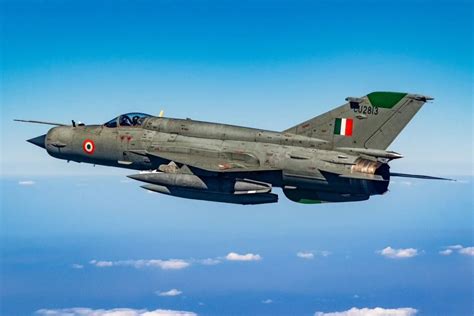
The MiG-21’s Arrival in India: From Interceptor to Multi-Role Workhorse
The MiG-21 entered the IAF in 1963, primarily as a high-altitude interceptor designed to counter reconnaissance aircraft like the American U-2. Its induction marked a milestone in India’s aviation history — a supersonic jet acquired under a technology transfer agreement with the Soviet Union, allowing domestic manufacturing by Hindustan Aeronautics Limited (HAL).
In its early years, only the most seasoned IAF pilots were allowed to fly it. Its blistering landing speed of 300 km/h, poor cockpit visibility, and demanding controls made it unforgiving for novices. But as the IAF rapidly grew from 8 squadrons in 1947 to nearly 40 by 1965, the MiG-21 quickly transformed from an elite interceptor into the backbone of India’s air fleet — taking on roles like ground attack, air defense, and reconnaissance.
Historian Anchit Gupta, whose father flew the MiG-21 during his service, explained the emotional bond many officers share with the jet: “The MiG-21 is extremely close to my heart. I saw my father fly it during Operation Brasstacks in 1986. There is an emotion to the MiG-21 for all of us.”
The “Flying Coffin” Stigma: Misplaced Blame?
Despite its stellar combat pedigree, the MiG-21 earned the dark nickname “flying coffin” due to its high accident rate. Over 300 of the 800–1,000 MiG-21s operated by the IAF were lost in crashes — a sobering figure that has long haunted the service. But Gupta argues that this label unfairly maligns the jet, deflecting attention from deeper, systemic problems.
“The MiG-21 was acquired for a very limited role — a high-altitude interceptor. But we stretched its purpose far beyond what it was designed for. Its training variants were inadequate, and yet we made it a mass-scale workhorse,” Gupta explained.
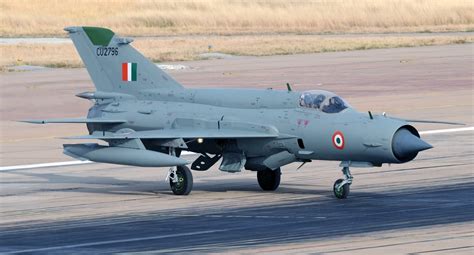
Training Gaps: The Real Killer
One of the most critical failures wasn’t the aircraft itself, but how pilots were trained to fly it. Instead of introducing an advanced, supersonic-capable trainer, the IAF relied on subsonic trainers like the Kiran and Iskra, which were wholly insufficient in preparing new pilots for the MiG-21’s supersonic performance and complex handling. The jump from these trainers to the unforgiving MiG-21 proved fatal for many young aviators.
Gupta explained: “The biggest difference is speed — not just in flight, but in decision-making. Mid-air maneuvers, takeoffs, landings — everything happens at a dramatically higher pace. We sent pilots into this jet without adequate preparation, and that gap cost lives.”
Decoding “Human Error”
Many MiG-21 accidents have been officially attributed to “human error.” But Gupta emphasizes that this doesn’t necessarily mean the pilot was personally at fault. Instead, it reflects a training or systemic failure.
“Human error in aviation doesn’t mean recklessness. It often points to inadequate training, inexperience, or even disorientation. Unfortunately, the way this is communicated to families often feels like we are blaming the pilot, adding to the grief.”
For many families of fallen pilots, the term “human error” deepened their pain, painting their loved ones as responsible for their own deaths rather than as victims of inadequate systems and preparation.
Combat Legacy: A Warhorse Despite Its Age
Despite its training-related tragedies, the MiG-21 remains one of the most battle-tested aircraft in India’s arsenal. In the 1971 India-Pakistan war, the MiG-21FL (Type 77) earned the nickname “runway buster” for devastating ground-attack missions. During the Kargil conflict of 1999, MiG-21s were again on the frontline, though the conflict also claimed the life of Squadron Leader Ajay Ahuja.
Post-Kargil, the MiG-21 made headlines when Squadron Leader Prashant Kumar Bundela shot down a Pakistani Atlantique maritime patrol aircraft. In 2019, during the Balakot strikes, Wing Commander Abhinandan Varthaman flying a MiG-21 Bison engaged Pakistani F-16s and successfully downed one, despite being outmatched in technology and weaponry.
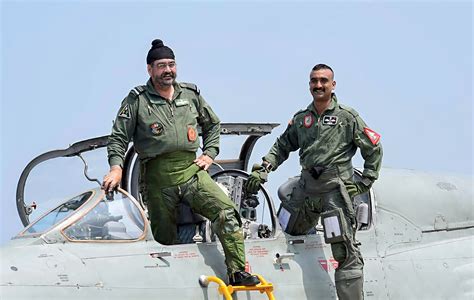
The MiG-21 Bison: A Modernized Legacy
To extend its relevance, the IAF upgraded its MiG-21 fleet into the Bison variant in the early 2000s, incorporating:
- Israeli electronic jamming systems
- Russian R-77 and R-73 air-to-air missiles
- Helmet-mounted sights
- Partial glass cockpit displays
Its short scramble time made it ideal for forward-deployed bases like Srinagar, where it served as the primary Operational Readiness Platform (ORP) — a role other jets like the MiG-29 struggled to fill effectively.
“Even today, the MiG-21’s quick reaction time made it unmatched for ORP duty. Replacing it is no easy task,” Gupta noted.
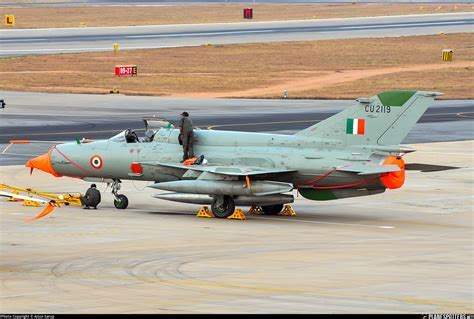
The End of an Era: What Comes Next?
With the MiG-21 fleet finally retiring, the question arises — who will take its place? The IAF is banking on the Light Combat Aircraft (LCA) Tejas to fill the void, but experts remain cautious.
“The MiG-21 leaves big shoes to fill. Tejas is expected to step in, but we have yet to see it fully meet the operational demands of a forward-deployed interceptor,” Gupta warned.
The IAF’s challenge isn’t just replacing the jet; it’s fixing the systemic issues — especially pilot training — that have claimed so many lives.
Conclusion: The MiG-21 Deserved Better
The MiG-21 wasn’t perfect — but it wasn’t the villain of its own story. Its reputation as a “flying coffin” masks a more complex truth: it was a victim of systemic failings. Inadequate trainers, overextension of its role, and the relentless pace of squadron expansion all contributed to its tragic legacy.
As India bids farewell to this storied fighter on September 19, the lesson is clear: future aircraft acquisitions must go hand-in-hand with comprehensive pilot training reforms. Only then can the sacrifices of those who flew — and fell — in the MiG-21 truly honor its legacy.