We spend our professional lives thousands of feet above the ground, navigating a dynamic environment that is governed by physics, procedure, and preparation. From the cabin, turbulence may feel unpredictable and alarming, but from our perspective, it is a familiar and well-managed aspect of flight. We are trained to understand it, anticipate it, and respond to it with precision. That training, combined with strict operational protocols, is why turbulence does not represent danger in the way many passengers fear.
As flight attendants, our primary responsibility is not service but safety. Every decision we make in the cabin, especially during irregular conditions, is guided by procedures designed to protect everyone on board. Turbulence is not an emergency by default; it is a condition that aviation professionals expect, plan for, and mitigate on every flight. The confidence we display is not performative—it is earned through rigorous training and constant exposure.
When passengers look to us during turbulence, they are often searching for reassurance. What they may not realize is that our calm demeanor is rooted in knowledge. We understand what the aircraft is experiencing, how it is designed to respond, and what actions are necessary to maintain safety. That is why trust matters, and why it is well placed.
Understanding Turbulence From an Aviation Perspective
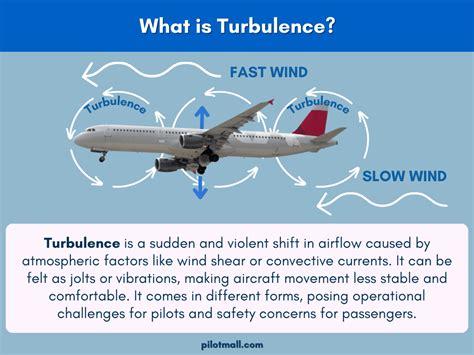
Turbulence is simply the movement of air that disrupts smooth flight. It is not a mechanical failure, nor is it an indication that the aircraft is struggling. From an operational standpoint, turbulence is categorized, anticipated, and managed using data from weather systems, pilot reports, and onboard technology. The aircraft is not “falling”; it is adjusting to variations in airflow.
We encounter different forms of turbulence depending on geography, altitude, and atmospheric conditions. Convective turbulence develops from rising warm air and sinking cool air, often associated with thunderstorms and common during climb and descent. Mechanical turbulence occurs when airflow is disrupted by terrain or structures, particularly near airports or mountainous regions. Clear Air Turbulence, often abbreviated as CAT, occurs at high altitude near jet streams and is invisible, which is why it can feel sudden.
What matters most is not the presence of turbulence but its intensity. Aviation classifies turbulence as light, moderate, severe, or extreme based on how it affects the aircraft’s motion. The vast majority of turbulence encountered in commercial aviation falls into the light or moderate categories. Even when turbulence is severe, modern aircraft are engineered to withstand forces far beyond what is experienced in normal operations.
Why Aircraft Are Built to Withstand Far More Than You Feel
Commercial aircraft are among the most rigorously tested machines in existence. Before an aircraft ever carries passengers, it undergoes structural stress testing that simulates conditions well beyond operational limits. Wings are designed to flex dramatically without failure, and airframes are certified to tolerate extreme loads.
From the cabin, turbulence feels exaggerated because the human body is sensitive to sudden motion. In reality, what feels like a dramatic drop may be a vertical movement of only a few feet. The aircraft remains fully under control, and its systems are functioning exactly as intended. Pilots adjust speed to a designated turbulence penetration speed, which reduces structural stress and ensures stability.
It is also important to understand that turbulence does not cause aircraft to crash. In modern commercial aviation, turbulence-related accidents are virtually nonexistent. Injuries that do occur are almost always the result of unrestrained movement within the cabin, not damage to the aircraft itself.
The Pilot–Cabin Crew Partnership You Do Not See
Behind every calm cabin is constant communication between the flight deck and the cabin crew. Before departure, we attend a detailed briefing that covers expected weather, potential turbulence, and operational considerations. This briefing allows us to plan cabin service, anticipate interruptions, and prepare passengers in advance when necessary.
During flight, pilots receive real-time updates from weather radar, air traffic control, airline operations centers, and other aircraft in the area. Turbulence reports are shared continuously, allowing flight crews to adjust altitude or routing when possible. When turbulence is unavoidable, the goal shifts from avoidance to management.
Once the seat belt sign is activated, it is not a suggestion; it is a protective measure. We immediately secure the cabin, stow equipment, and ensure passengers are seated and restrained. This process, known as a “cabin secure,” is reported back to the flight deck so pilots know the cabin is ready. The coordination is precise, practiced, and routine.
Why We Insist on Seat Belts Even When It Feels Unnecessary
One of the most common misconceptions among passengers is that seat belts are only necessary during takeoff, landing, or visible turbulence. In reality, the most dangerous turbulence is often unexpected. Clear Air Turbulence can occur without warning, giving neither pilots nor cabin crew time to prepare.
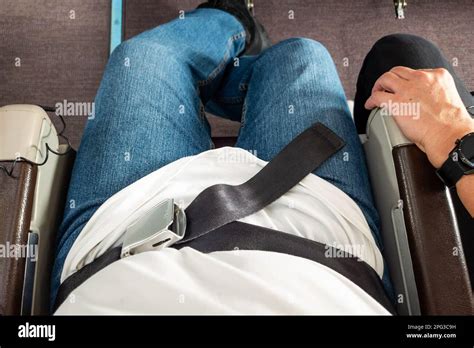
Statistics consistently show that injuries during turbulence overwhelmingly affect those who are not seated with seat belts fastened. This includes passengers who stand up prematurely and crew members who are performing duties when conditions change suddenly. For this reason, we strongly advocate keeping seat belts fastened at all times while seated, regardless of how smooth the flight feels.
This simple action transforms turbulence from a potential hazard into a non-event. When restrained, the body moves with the aircraft rather than against it, dramatically reducing the risk of injury.
The Reality of Turbulence-Related Injuries
Each year, millions of flights operate safely around the world. Against that scale, turbulence-related injuries are statistically rare. When they do occur, they most often involve flight attendants who are moving through the cabin to ensure passenger safety. Head, neck, shoulder, and ankle injuries are the most common, reflecting sudden movements rather than catastrophic events.
Industry data shows that over long periods, the number of serious injuries remains low relative to passenger volume. Even as global air traffic increases and weather patterns become more variable due to climate change, procedural adjustments have proven effective. Airlines have modified service heights, reduced the handling of hot liquids, and enhanced turbulence forecasting to minimize risk.
These changes are not reactions to danger but refinements to an already safe system. They demonstrate how seriously the industry takes even minor risks.
What Happens in the Cabin During Severe Turbulence
When severe turbulence is anticipated, preparations begin early. Galleys are secured, loose items are removed, and service is suspended. Lavatories may be locked, and passengers are informed clearly and calmly. Once the cabin is secured, we take our seats and remain strapped in until conditions improve.
If turbulence occurs without warning, our priority shifts to immediate safety. We secure ourselves in the nearest available seat if necessary and wait for clearance from the flight deck before resuming duties. After the turbulence subsides, we assess the cabin, provide first aid if required, and report conditions to the pilots.
This structured response ensures that even in uncomfortable conditions, safety is never compromised.
Media Narratives Versus Operational Reality
Public perception of turbulence is heavily influenced by dramatic language and viral videos. Phrases such as “the plane dropped” or “the aircraft plunged” create an image that does not align with reality. Aircraft do not plummet due to turbulence, nor do pilots struggle to maintain control. These descriptions exaggerate normal aerodynamic responses.
Social media footage often amplifies fear by capturing isolated moments without context. What is rarely shown is the routine professionalism with which crews handle these situations or the uneventful continuation of the flight afterward. Turbulence feels intense because it engages primal fear, but fear does not equate to danger.
Understanding this distinction is key to reducing anxiety and building trust.
Where You Sit and How Turbulence Feels
The sensation of turbulence varies depending on seating location. Seats over the wing, near the aircraft’s center of gravity, experience less vertical motion. Seats toward the rear amplify movement, which can make turbulence feel more severe than it is. This difference is perceptual, not structural.
Regardless of seat location, the aircraft experiences turbulence as a whole. No section is more “at risk” than another. The variation lies only in how motion is felt, not in safety margins.
Why Trust Is Earned, Not Requested
We do not ask passengers to trust us blindly. We earn that trust through training, repetition, and accountability. Flight attendants undergo extensive emergency training, recurrent evaluations, and scenario-based drills throughout their careers. We are certified professionals operating within one of the most regulated industries in the world.
When turbulence occurs, our actions are deliberate, informed, and aligned with best practices developed over decades of aviation experience. Our calm is not dismissal of your fear; it is confidence in systems that work.
Turbulence is an uncomfortable reminder that flight takes place in a living atmosphere, but it is not a threat to your safety. When you see us seated, secured, and composed, understand that it reflects preparation, not concern. In those moments, the safest place for everyone is exactly where they are—strapped in, informed, and trusting a system designed to protect them.