In the competitive world of aviation, a student pilot resume must not only capture achievements but also reflect a candidate’s unwavering commitment to safety, precision, and continuous learning. Crafting such a document requires a strategic balance between technical prowess, academic excellence, and operational experience, all while presenting an organized and professional image that aligns with aviation industry expectations.
Understanding the Essence of a Student Pilot Resume
A student pilot resume serves as a crucial first impression for prospective employers, flight schools, or internship programs. It must highlight not only hours flown or certificates obtained but also a keen understanding of flight operations, aviation safety, and procedural adherence. Demonstrating a strong grasp of regulatory standards, technical skills, and soft skills like communication and teamwork sets a solid foundation for career advancement.
Essential Components of a High-Impact Student Pilot Resume
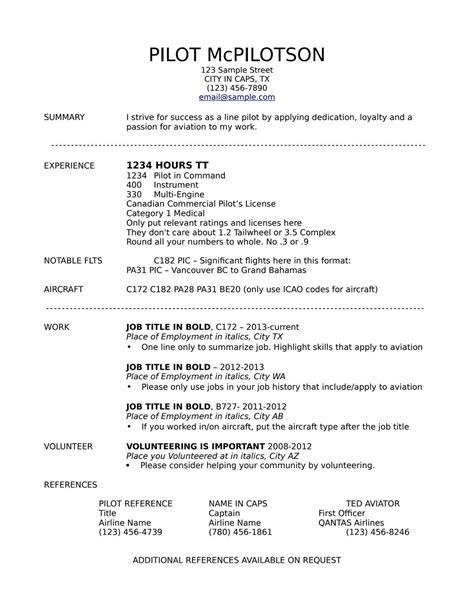
Every successful student pilot resume shares critical elements that enhance its credibility and readability. At the core, the resume should present:
- Contact Information: Clearly displayed at the top, including full name, phone number, email, LinkedIn profile, and optionally, a personal aviation portfolio site.
- Objective Statement: A concise yet compelling paragraph that articulates career aspirations, areas of expertise, and commitment to aviation safety and professionalism.
- Education: Listing degrees obtained, relevant coursework, GPA (if above 3.5), and any aviation-specific certifications.
- Flight Training and Certifications: Details about private pilot licenses, flight school attendance, ground school completion, and specialized certifications such as Instrument Rating (IR) or Commercial Pilot License (CPL) underway.
- Skills: Divided between technical (navigation, flight planning, aircraft systems management) and interpersonal skills (decision making under stress, teamwork).
- Experience: Both aviation-specific and general experience that demonstrates leadership, problem-solving, and organizational ability.
- Additional Activities and Awards: Participation in aviation clubs, competitions, scholarships, and recognitions further bolster a student pilot’s profile.
Writing an Effective Objective for a Student Pilot Resume
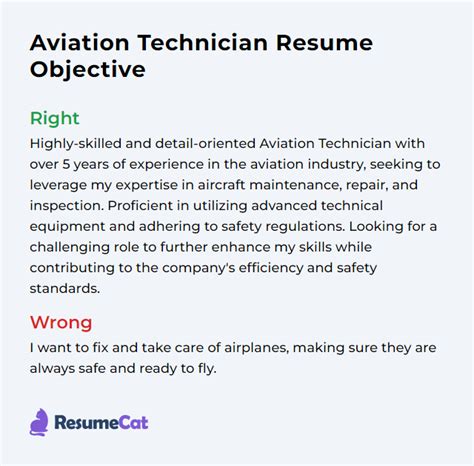
A strong objective focuses on how the applicant’s skills, experiences, and values align with the organization’s mission. For example:
Objective: “Dedicated Student Pilot with two years of rigorous flight training and a strong foundation in flight operations, seeking to apply operational proficiency and a commitment to aviation safety in a dynamic learning environment.”
Avoid vague statements. Instead, customize the objective to match the role or institution’s core values.
Highlighting Critical Skills in a Student Pilot Resume
An outstanding student pilot resume integrates a blend of technical and operational skills with core soft skills. For technical prowess, pilots should mention:
- Aircraft Systems Knowledge
- Navigation Aids Usage
- Weight and Balance Calculations
- Flight Planning and Route Optimization
- FAA Regulations Compliance
Meanwhile, soft skills should focus on:
- Stress Management in High-Pressure Environments
- Analytical Problem Solving
- Effective Team Collaboration
- Communication and Interpersonal Skills
These competencies are best showcased through specific achievements or scenarios under the experience section.
Detailing Flight Training and Operational Experience
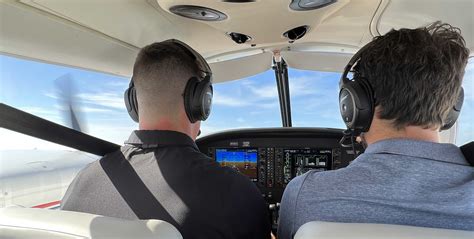
Flight training experience needs more than just a listing of hours. A well-structured student pilot resume should elaborate on flight operations performed, simulator trainings completed, and specific aircraft types flown. For instance:
“Completed over 120 hours of solo and dual flight training, specializing in low-altitude navigation and tactical maneuvering with a focus on fixed-wing aircraft operations under Visual Flight Rules (VFR) and Instrument Flight Rules (IFR).”
Additionally, candidates should mention:
- Experience coordinating with air traffic control.
- Documentation of flight hours and performance assessments.
- Familiarity with aviation resource management systems like ARTS.
- Safety protocol adherence during training missions.
Education Section: Presenting Academic Achievements with Precision
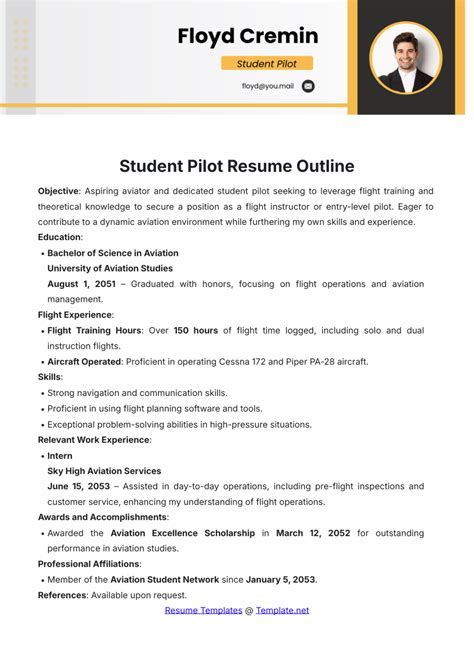
The education section in a student pilot resume must clearly indicate degrees, aviation-related coursework, honors, and flight school credentials. Present the information as follows:
Bachelor of Science in Aviation
University Name, Graduation Date
Relevant Coursework: Aerodynamics, Aircraft Systems, Aviation Safety Management
Including academic honors or GPA can provide a competitive edge when appropriately highlighted.
Adding Distinction Through Certifications and Awards
Highlighting certifications beyond basic licensing can demonstrate advanced readiness. These include:
- Private Pilot License (PPL)
- Instrument Rating (IR)
- Certified Flight Instructor (CFI) (if applicable)
Awards, scholarships, or participation in national aviation events (such as the National Intercollegiate Flying Association competitions) should be prominently mentioned to showcase excellence and commitment.
Framing Professional Experience for Maximum Impact
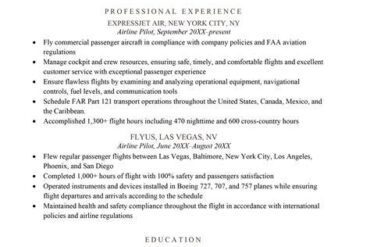
Even for entry-level applicants, showcasing experiences that highlight aviation knowledge, leadership, and responsibility can significantly enhance a student pilot resume. For example:
“Managed detailed flight records for over 50 training sessions, ensuring 100% regulatory compliance with FAA standards.”
“Assisted in conducting pre-flight and post-flight aircraft inspections, leading to a 15% improvement in training aircraft readiness rates.”

Internships, flight department support roles, customer service in aviation contexts, or involvement in aircraft maintenance duties all add valuable depth to the resume.
Demonstrating a Commitment to Safety and Continuous Improvement
Safety is paramount in aviation, and a student pilot resume must illustrate an ongoing commitment to this principle. Including statements about participation in safety audits, Quality Management System initiatives, or leading safety briefings underscores a proactive mindset toward aviation risk management.
Furthermore, mentioning continuous learning activities, such as attending safety seminars, aviation workshops, or supplemental certifications, reflects a dedication to professional development.
Visual and Structural Excellence: The Final Polish
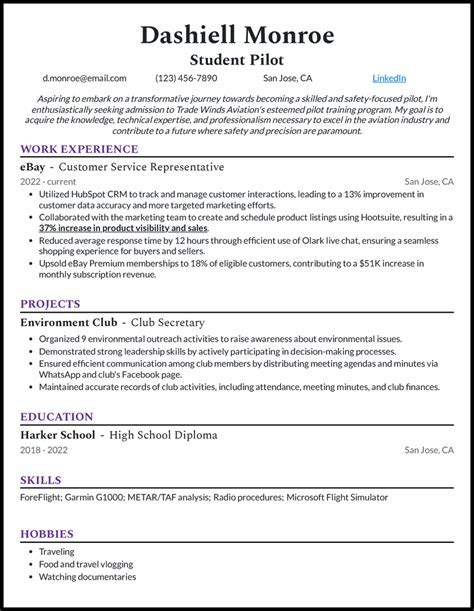
The format and structure of a student pilot resume should reflect the professionalism expected in aviation. Key guidelines include:
- Keeping the resume to one page if possible.
- Using clean, readable fonts like Calibri, Arial, or Helvetica.
- Maintaining clear section headings with consistent formatting.
- Prioritizing bullet points under experience for easy scanning.
- Avoiding overuse of graphics or colors; opt for a clean, conservative layout.
Saving the final document in PDF format ensures formatting consistency across devices when submitting applications.
Conclusion: Charting a Flight Path Toward Success
A meticulously crafted student pilot resume is more than a documentation of flight hours and certifications—it is a compelling narrative that showcases technical capabilities, leadership qualities, and a profound commitment to aviation excellence. By structuring the resume with precision, focusing on relevant achievements, and demonstrating continuous growth, student pilots can confidently navigate their way toward a thriving aviation career.