Understanding the Strategic Core of Airline Branding
In the hypercompetitive world of aviation, airline branding has evolved beyond mere aesthetics. It is now the foundation upon which carriers differentiate, connect emotionally with passengers, and secure long-term loyalty. Airline branding is not simply about logos and liveries—it’s a sophisticated exercise in perception engineering, deeply rooted in psychology, cultural symbolism, and strategic communication.
Branding in aviation operates within a tightly regulated and uniform industry where flight experience—at a glance—seems standardized. Passengers board similar aircraft, are subject to similar security protocols, and fly across identical airspaces. What sets airlines apart is their brand narrative, visual language, and the emotional promise they deliver.
How Branding Influences Passenger Decisions
Consider how brand loyalty manifests in other sectors—automotive, tech, or fashion. The same applies in aviation. A traveler selecting between two similarly priced flights will likely lean toward the carrier with a stronger brand recall. That trust is a byproduct of repeated exposure, perceived quality, and identity alignment.
Airline branding bridges the gap between rational decision-making and emotional resonance. It enhances brand recognition at various consumer touchpoints:
-
Booking websites
-
Airport check-in counters
-
In-flight magazines
-
Cabin crew uniforms
-
Aircraft interiors and exteriors
The branding echo follows the passenger throughout the journey. From boarding passes to the color of LED lighting inside the cabin, every component becomes a signal reinforcing the airline’s personality.
Case Study: Qatar Airways – Branding a Nation’s Identity
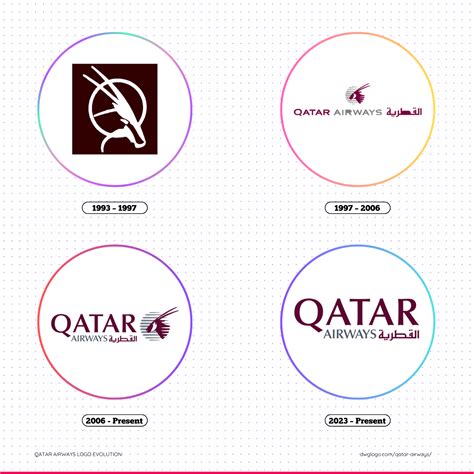
Qatar Airways presents one of the finest case studies in premium airline branding. As a national carrier, it doesn’t just represent an airline—it represents the nation’s ambition. From the maroon-colored motifs inspired by Qatar’s flag to the emblem of the Arabian oryx, the airline’s branding narrative is coherent and powerful.
Their branding philosophy bleeds into every detail:
-
Liveries feature bilingual logos and regional symbolism
-
Premium lounge spaces echo Qatari architecture and hospitality
-
Cutlery and amenity kits carry the brand’s visual DNA
-
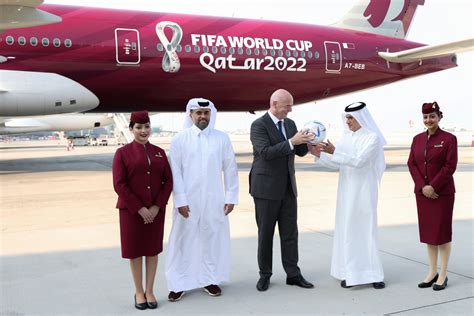
Even marketing campaigns align with global events like the FIFA World Cup
Designing an Airline Brand: From Symbol to Sky
A successful airline brand is never an accident. It is the result of intentional storytelling that aligns visual design with market positioning. We consider several essential pillars in branding an airline:
Color Schemes
Color is more than design; it’s psychology. National carriers often borrow from flag colors, instilling a sense of patriotism. Warm palettes suggest comfort and hospitality. For instance, Turkish Airlines’ red and white evokes vibrancy and heritage.
Symbolism
Strong brands leverage meaningful icons. The Qantas kangaroo, British Airways’ Speedmarque, and American Airlines’ eagle are instantly recognizable. These logos are not decorative—they’re mnemonic devices designed to stick in the minds of travelers globally.

Liveries
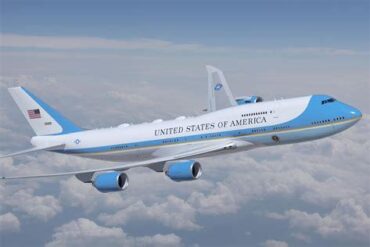
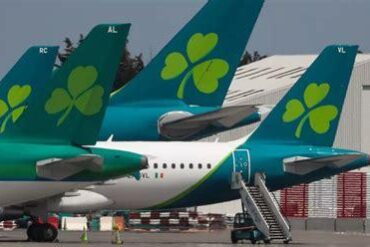
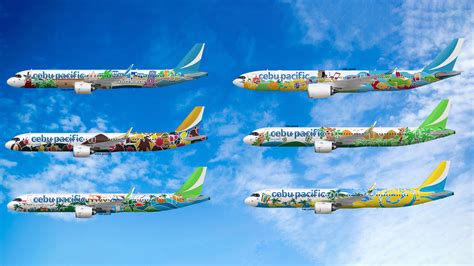
Aircraft liveries are flying billboards. Whether minimalist or maximalist, liveries express the brand in motion. Airlines like Hawaiian Airlines with Pualani, or Kulula with its cheeky Flying 101 schematic, turn aircraft into icons.
Custom liveries are also leveraged for strategic collaborations. Alaska Airlines’ Disney-themed planes, or China Eastern’s Toy Story aircraft, demonstrate how branding extends beyond aviation into pop culture.
Slogans That Capture Ethos
The slogan is the voice of the brand distilled into a sentence. From Singapore Airlines’ “A Great Way to Fly” to Emirates’ “Fly Better”, a slogan must be:
-
Memorable
-
Emotionally resonant
-
Consistent across platforms
These phrases are not static. They evolve as consumer expectations shift. For instance, Virgin Atlantic adopted “See the world differently” post-pandemic, repositioning itself as a forward-looking, inclusive airline for a changed world.
Emotional Branding and Market Positioning
Beyond identity, branding positions an airline on the spectrum of luxury, economy, and innovation. Emirates and Etihad project luxury through ornate lounges and polished visuals. Meanwhile, Southwest Airlines, with its heart logo and friendly tone, embodies affordability and approachability.
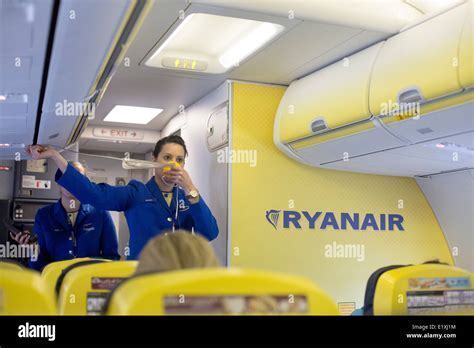
Branding isn’t always aspirational—it can be disruptive. Ryanair has deliberately leaned into its ultra-low-cost image. Its brand promise is brutally honest: no frills, just cheap flights. The visual tone—bold colors, spartan interiors—matches the experience.
Integrated Branding Across All Touchpoints
Modern airline branding goes beyond visual assets. The experience must feel seamless across:
-
Mobile apps: UI/UX must reflect brand tone
-
Loyalty programs: Names like SkyMiles or Avios carry identity weight
-
Cabin experience: From seat material to ambient lighting
-
Crew uniforms: These serve as walking extensions of brand identity
A great example is Singapore Airlines’ signature sarong kebaya, which not only reflects cultural authenticity but also signals hospitality and grace.
Branding in a Time of Crisis and Change
A strong brand offers resilience during turbulence. During the COVID-19 pandemic, airlines with established emotional equity—like Delta and Lufthansa—retained customer trust, even when operations ceased temporarily.
Reputation management through branding became paramount. Airlines leveraged their visual identity and social messaging to assure customers of safety protocols and flexible booking policies.
Branding as a Commercial Asset
Beyond customer perception, airline branding impacts valuation and strategic partnerships. A strong brand invites code-share deals, alliances, and loyalty program integrations. It enables airlines to diversify revenue through branded experiences—hotels, credit cards, and lifestyle portals.
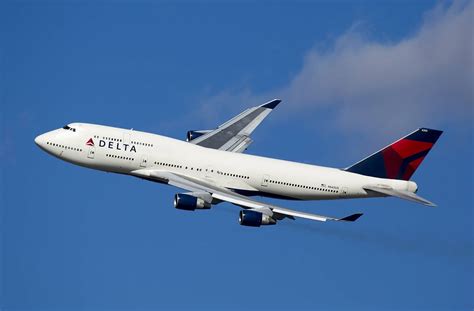
Brand equity becomes tangible, even saleable. Delta’s $7.3 billion brand valuation is not just about aircraft—it’s about what those aircraft represent.
Final Thoughts
Airline branding is not window dressing—it is structural scaffolding. It defines how the world sees an airline, how customers feel when they fly, and whether a carrier thrives or fades. In an age where price parity is common and service standards converge, brand is often the last—and most decisive—battleground.
To succeed in the aviation space, airlines must understand that every brand element—from the curve of a fuselage decal to the tone of an Instagram caption—speaks volumes. The strongest brands are those with clarity of identity, consistency of message, and authenticity of experience.
FAQs
What is airline branding, and why does it matter?
Airline branding is the strategic creation of a unique visual and emotional identity for an airline. It helps define how passengers perceive the airline, builds loyalty, and differentiates it in a saturated market. Strong branding influences purchasing decisions and supports long-term commercial growth.
How do logos and liveries affect customer trust?
Logos and liveries are visual anchors that symbolize an airline’s promise. Consistent and meaningful visual branding signals reliability, evokes emotion, and creates brand recall. Trust is often built through repeated exposure to these symbols across advertising, airports, and onboard experiences.
Can budget airlines have strong branding too?
Absolutely. Brands like Ryanair and EasyJet demonstrate that budget doesn’t mean bland. Their branding embraces transparency and simplicity, clearly communicating value. Even with fewer frills, their strong identity allows them to lead in market share and recognition.