Understanding the High Altitude Endorsement
The Federal Aviation Administration (FAA) mandates a specific endorsement for pilots who wish to act as pilot-in-command (PIC) in pressurized aircraft capable of operating above 25,000 feet mean sea level (MSL). This requirement, governed by 14 CFR § 61.31(g), ensures pilots receive critical instruction in high-altitude flight dynamics, hypoxia awareness, and the safe operation of aircraft pressurization systems.
Despite this regulation not extending to nonpressurized aircraft, any pilot aspiring to operate at elevated altitudes will benefit immensely from completing the training. The thin air, lowered oxygen levels, and physiological risks above 25,000 feet demand technical competence and situational preparedness.
What Qualifies as a High Altitude Aircraft?
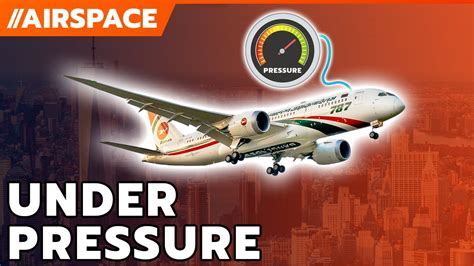
The FAA classifies a pressurized aircraft requiring a high-altitude endorsement as any aircraft with:
- A service ceiling or maximum operating altitude above 25,000 feet MSL.
This threshold exists for safety reasons: above this altitude, the human body cannot sustain normal physiological functions without supplemental oxygen. Even minor failures in aircraft pressurization can lead to life-threatening conditions like hypoxia or decompression sickness.
Why the Endorsement Is Essential
The high-altitude endorsement isn’t merely a bureaucratic checkbox — it’s a critical safeguard. The training is designed to help pilots:
-
Recognize and respond to hypoxia symptoms
-
Understand aeromedical limitations during pressurized flight
-
Execute emergency descent procedures in the event of cabin depressurization
-
Use and manage supplemental oxygen systems
Without such preparation, pilots risk incapacitation, visual distortion, poor judgment, or even unconsciousness in flight. The endorsement acts as both an educational framework and a safety measure, helping mitigate those risks.
The Four Key Steps to Earning a High Altitude Endorsement
Step 1: Ground School Training
Ground instruction forms the foundation of the high-altitude endorsement process. In this classroom setting, pilots learn the theoretical and physiological components of high-altitude operations, including:
-
Human respiration at altitude
-
Hypoxia recognition and management
-
Time of useful consciousness (TUC) without oxygen
-
Decompression scenarios and their implications
-
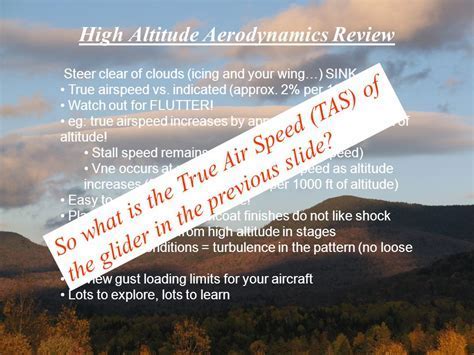
High-altitude aerodynamics and flight characteristics
These topics are taught in line with FAA standards, and only a Certified Flight Instructor (CFI) with appropriate authorization may deliver the course.
Step 2: Flight or Simulator Training
Following ground school, pilots undergo flight training in either:
-
A pressurized aircraft
-
An FAA-approved flight simulator or training device that mimics high-altitude flight
This training segment emphasizes real-world application:
-
How to initiate an emergency descent
-
How to handle rapid decompression scenarios (simulated)
-
Procedures for supplemental oxygen use during abnormal events
-
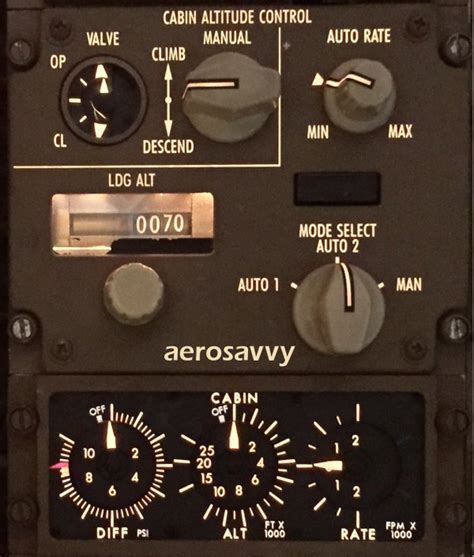
Emergency checklist proficiency for pressurization system failures
While actual decompression is never simulated in live aircraft, the training ensures a pilot is capable of reacting instantly to such situations in the real world.
Step 3: Logbook Endorsement
Upon successful completion of both ground and flight instruction, the CFI endorses the pilot’s logbook, certifying the pilot’s ability to:
-
Understand and manage the physiological effects of high altitude
-
Operate pressurized aircraft above 25,000 feet safely
This logbook endorsement serves as formal recognition that the pilot meets FAA requirements for high-altitude pressurized flight.
Step 4: Exceptions to the Rule
FAA regulations recognize several exceptions for pilots who acquired high-altitude operating experience prior to the establishment of the formal endorsement requirement. These include:
-
Pilots who acted as PIC of a pressurized aircraft before April 15, 1991
-
Those who completed a proficiency check under Part 121, 125, or 135
-
Pilots who passed military or civilian PIC check rides equivalent in scope
While these exceptions are rare, they exist to accommodate pilots with historical experience and demonstrate regulatory flexibility.
Physiological Risks at High Altitude
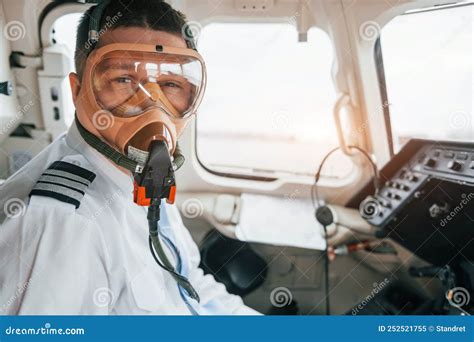
Flying above 25,000 feet introduces critical physiological threats that can escalate rapidly without warning. One of the most dangerous is hypoxia, a condition where the body’s tissues receive insufficient oxygen. Pilots experiencing hypoxia may suffer from:
-
Euphoria followed by cognitive impairment
-
Visual degradation or tunnel vision
-
Impaired motor skills and decision-making
-
Unconsciousness if corrective action is not taken
Another key concern is decompression sickness, which occurs when nitrogen dissolved in the blood forms bubbles during rapid descent or loss of cabin pressure. Without proper training and reaction protocols, these conditions can prove fatal.
Supplemental Oxygen: The Lifeline
Proper use of supplemental oxygen systems is critical. During flight training, pilots are taught:
-
How to operate various oxygen delivery systems
-
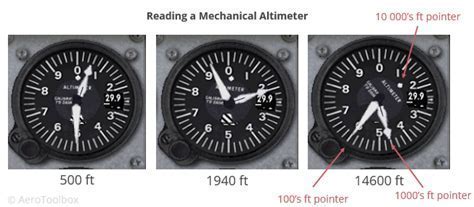
The meaning of cabin altitude vs. actual altitude
-
The duration of consciousness at different altitudes without oxygen
-
How to perform emergency switchovers to backup oxygen sources
FAA regulations demand supplemental oxygen usage for flight crew above 12,500 feet when flying for more than 30 minutes, and continuously above 14,000 feet. In pressurized aircraft, pilots must be able to switch to masks in seconds.
Who Should Get the Endorsement?
While nonpressurized aircraft pilots are not legally obligated to get a high-altitude endorsement, safety-conscious aviators often pursue the training anyway. That’s because:
-
High-altitude flight still exposes pilots to oxygen deprivation
-
Emergencies require rapid recognition and response
-
Understanding decompression and hypoxia improves pilot airmanship
Commercial operators, air taxi pilots, and individuals flying in mountainous terrain are particularly encouraged to obtain the endorsement, regardless of aircraft type.
Integration into Broader Flight Training Programs
Flight schools nationwide now offer high-altitude endorsement training as part of broader advanced instruction programs. It is often bundled with:
-
High-performance endorsements (for aircraft over 200 hp)
-
Complex aircraft training (for aircraft with retractable gear, flaps, and a controllable pitch propeller)
-
Instrument ratings or commercial pilot certificates
This integrated approach creates more competent, confident, and well-rounded aviators.
Final Thoughts
In today’s aviation environment, altitude is opportunity. The higher an aircraft climbs, the faster and more efficiently it can travel. But with altitude comes danger—and responsibility. The high-altitude endorsement is the FAA’s way of ensuring that only pilots who are properly trained, informed, and certified take to the skies above 25,000 feet in pressurized aircraft.
Obtaining this endorsement not only fulfills a legal requirement but also demonstrates a pilot’s dedication to professionalism and safety. As more general aviation aircraft are equipped to reach higher altitudes, the need for this specialized knowledge becomes even more urgent.
FAQ
What altitude do you need a high altitude endorsement for?
A high-altitude endorsement is required to act as pilot-in-command in any pressurized aircraft with a maximum operating altitude or service ceiling above 25,000 feet MSL. This ensures pilots are trained to safely handle the physiological and technical demands of such flights.
What does high altitude training include?
High altitude training includes both ground and flight instruction, focusing on subjects like hypoxia, respiration at altitude, decompression, aerodynamics, and emergency oxygen procedures. The flight portion can be completed in a pressurized aircraft or an FAA-approved flight simulator.
Do I need a high altitude endorsement for nonpressurized aircraft?
Legally, no. But pilots who frequently operate in high terrain regions or above 12,500 feet MSL may still benefit from the training. It enhances awareness of oxygen deprivation and equips pilots with procedures to avoid hypoxia-related accidents.