The complex aircraft endorsement is a critical milestone for many pilots who aspire to operate advanced aircraft featuring retractable landing gear, controllable-pitch propellers, and flaps. This endorsement enhances a pilot’s qualifications, opening doors to flying larger and more capable aircraft. Understanding the training process, requirements, and key considerations surrounding the complex aircraft endorsement is essential for any pilot aiming to expand their skillset and advance in their aviation career.
What Is a Complex Aircraft Endorsement?
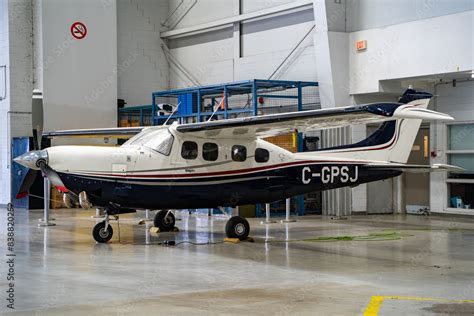
The complex aircraft endorsement allows pilots to operate aircraft equipped with retractable landing gear, flaps, and a controllable-pitch propeller. This endorsement is not limited to any specific type of aircraft but applies to all airplane classes, including single-engine, multi-engine, land-based, and seaplane aircraft. Importantly, the presence of flaps alone does not necessitate the endorsement; rather, it is the combination of retractable landing gear and a controllable-pitch propeller that defines the complex nature of these aircraft.
Pilots holding a complex endorsement can act as pilot-in-command (PIC) of these advanced aircraft, giving them access to a broader range of flight opportunities. Whether for recreational or professional purposes, earning this endorsement is a crucial step for those wishing to operate more capable aircraft.
How Does a Complex Aircraft Endorsement Work?
Unlike other pilot certifications and ratings, the complex aircraft endorsement does not have a corresponding check ride or a set minimum number of flight or ground hours that must be completed. Instead, the training process is flexible, allowing instructors to tailor the pace and content to each pilot’s current proficiency level. The FAA’s 14 CFR 61.31(e) regulation provides broad guidelines for the endorsement but leaves much of the specific training requirements to the discretion of the instructor and flight school.
Training Duration and Cost: The length and cost of the training will vary depending on the pilot’s familiarity with complex aircraft systems. For some pilots, completing the endorsement might take just a few hours, while others may require more in-depth training. In many cases, two to four hours of flight training is typical, but the actual time will depend on individual readiness.
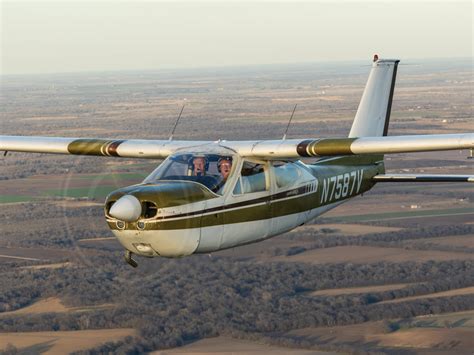
Training Aircraft: To earn a complex endorsement, pilots must train in an aircraft that features retractable landing gear, a controllable-pitch propeller, and flaps. These systems are designed to increase the aircraft’s performance, but they also demand more attention and skill from the pilot. Most training aircraft used for complex endorsements are the Piper Arrow, Cessna 172RG, or Cessna 182RG, which are still commonly used for flight schools despite newer aircraft designs that have moved away from retractable landing gear.
The Three-Step Process to Earning a Complex Aircraft Endorsement
The process to earn a complex endorsement is straightforward, and while there are no set minimum hours, pilots must complete three critical stages of training: ground training, flight training, and obtaining the logbook endorsement.
Step 1: Ground Training
The first step in the process is ground training, which lays the foundation for understanding the systems of the complex aircraft. Pilots will need to familiarize themselves with the controllable-pitch propeller, retractable landing gear, and other specialized components. While most pilots already have a general understanding of basic flight controls and systems, complex aircraft introduce a higher level of complexity in terms of operation and maintenance.
Key topics covered during ground training include:
- Operation of the controllable-pitch propeller: This involves understanding how to adjust the blade angle to optimize engine performance.
- Retractable landing gear systems: Pilots will learn the different mechanisms used to operate retractable landing gear, whether manual, hydraulic, or electric.
- Aircraft performance considerations: Pilots will also study how these complex systems affect the aircraft’s flight performance, including speed, fuel efficiency, and handling characteristics.
Step 2: Flight Training
Once ground training is complete, pilots move on to flight training, where they will put their knowledge into practice. This phase emphasizes the operation of the various systems in real flight conditions. Pilots will learn how to manage the increased workload that comes with operating a complex aircraft, especially in high-pressure or high-workload situations. The goal is to ensure pilots can safely manage their resources, prevent errors, and execute flight maneuvers smoothly.
Some of the flight training goals include:
- Operating retractable landing gear: Pilots will practice extending and retracting the landing gear, especially during takeoff, landing, and other critical phases of flight.
- Using the controllable-pitch propeller: Pilots will experience adjusting the propeller pitch to optimize engine performance for different flight stages.
- Simulating high-workload situations: Flight training often involves simulated emergency procedures, such as engine failure or rapid altitude changes, to help pilots prioritize tasks effectively.
Step 3: Logbook Endorsement
After successfully completing ground and flight training, the final step is receiving the logbook endorsement from an authorized instructor. This endorsement is a formal record that the pilot has demonstrated the necessary knowledge and proficiency to operate complex aircraft. Unlike other endorsements, the complex endorsement is valid for all complex aircraft, regardless of make or model, and it does not expire.
Interestingly, many complex aircraft also qualify as high-performance aircraft, which feature engines with more than 200 horsepower. In these cases, pilots can often complete both the complex aircraft endorsement and the high-performance endorsement simultaneously.
Exceptions to the Complex Aircraft Endorsement Requirement
Before August 4, 1997, pilots were not required to obtain a separate complex aircraft endorsement. Instead, complex aircraft training was bundled with the high-performance training. As such, pilots who logged time in complex aircraft or simulators before this date do not need the endorsement. Additionally, some pilots, such as those operating under 14 CFR 135.293 or working for Part 135 air carriers, may not need the endorsement if they have already logged sufficient time and experience in a complex aircraft.
However, this exception does not apply to Part 121 airline pilots or military pilots who have received FAA certifications based on military experience. These pilots will still need the endorsement if they do not meet the waiver conditions.
Conclusion: Expanding Your Pilot Skills with the Complex Aircraft Endorsement
Earning a complex aircraft endorsement is a natural progression in a pilot’s journey, allowing them to operate more advanced and capable aircraft. Whether for recreational or commercial purposes, this endorsement opens up a wide range of flying opportunities. It allows pilots to safely operate aircraft with retractable landing gear, controllable-pitch propellers, and other advanced systems, thereby expanding their proficiency and skillset.
While the training process can be completed relatively quickly, it requires a thorough understanding of aircraft systems and the ability to manage high-workload flight situations. As a result, obtaining the endorsement helps pilots become more capable and confident in their flying abilities.
To stay up-to-date with all the latest information on aviation training, endorsements, and flying opportunities, subscribe to resources like FLYING Magazine, which provides valuable insights for pilots of all skill levels.