Earning a helicopter license is a transformative journey that requires commitment, precision, and rigorous training. In an era where private aviation is increasingly accessible, particularly in luxury destinations such as Hong Kong, understanding the exact process to obtain a helicopter license (PPL-H) can distinguish casual interest from actionable ambition. Whether inspired by elite figures like Gigi Chao, or the desire to experience vertical freedom, this guide details every step needed to turn a dream into certified reality.
Understanding the Helicopter License Framework
In Hong Kong, helicopter licenses are governed by the Civil Aviation Department (CAD). The foundational level is the Private Pilot License for Helicopters (PPL-H), which allows holders to fly helicopters non-commercially. Unlike fixed-wing licenses, rotary-wing licenses require training unique to the physics and controls of helicopter aviation, including vertical takeoff and dynamic hover techniques.
Before logging any official flight time, the prospective pilot must meet several strict prerequisites to ensure both safety and regulatory compliance.
Step 1: Undergo a Certified Medical Examination
The journey begins not in the air, but in a medical office. The CAD mandates a Class 2 Medical Certificate for all student helicopter pilots. This certificate validates that the individual is physically fit for flight, a critical aspect of aviation safety.
Medical assessments typically include:
-
Electrocardiogram (ECG): Evaluates heart rhythm and performance.
-
Audiogram: Measures hearing capability across frequency ranges.
-
Ophthalmic Review: Ensures optimal vision, including peripheral and depth perception.
Only Approved Medical Examiners (AMEs) authorized by the CAD can issue this certification. Once obtained, this certificate allows the candidate to legally begin supervised flight instruction.
Step 2: Enroll in a PPL-H Flight Training Course
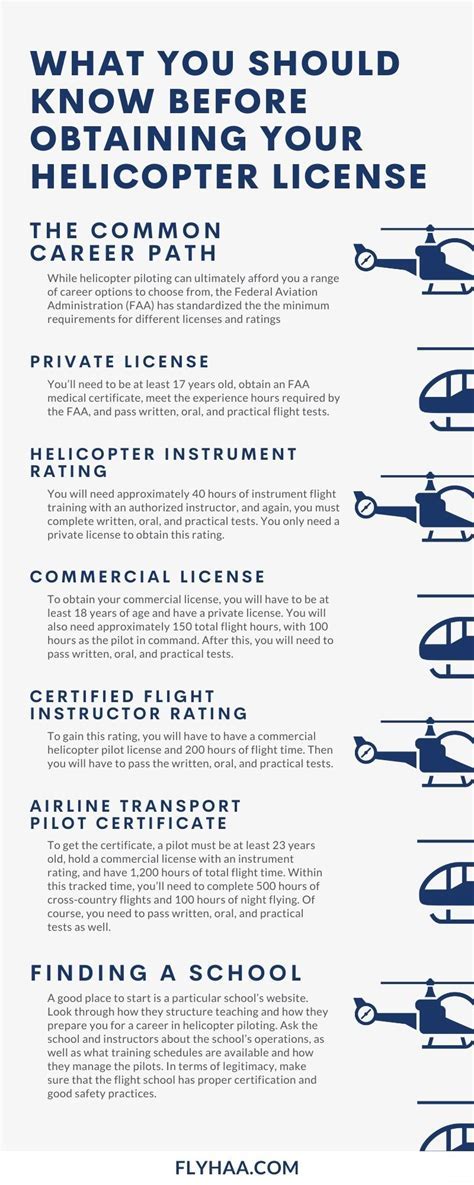
With medical clearance secured, the next phase is enrollment in a recognized aviation school. In Hong Kong, three primary institutions stand out:
-
Hong Kong Aviation Club (HKAC)
-
Aero Institute Hong Kong (AI-HK)
-
JetOne Academy
Each of these schools offers a structured curriculum combining both ground school and flight training. The minimum requirement set by the CAD is:
-
40 hours of flight time, including
-
At least 10 hours of solo flight under supervision
-
Mastery of standard flight maneuvers, emergency procedures, and navigation techniques
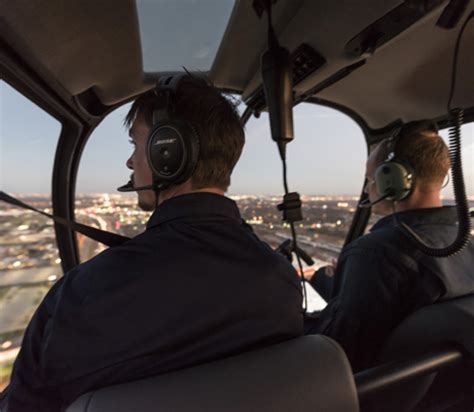
Courses are tailored to blend theoretical understanding with operational proficiency. Students progress from dual flights with instructors to independent solo flights, gradually developing confidence and technical mastery.
Step 3: Prepare for and Pass the PPL-H Theory Exams
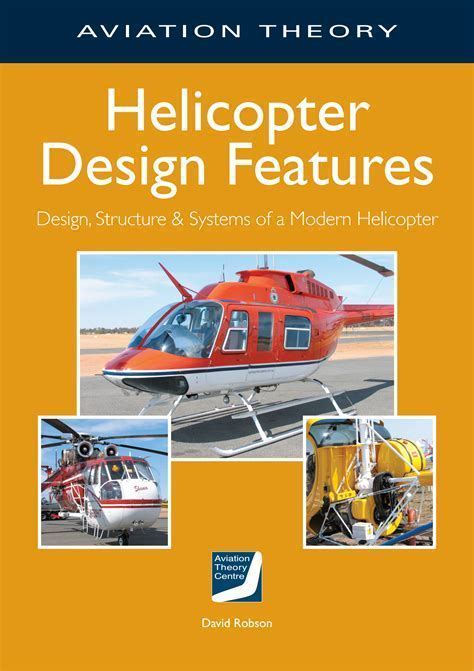
The intellectual rigor of aviation is often underestimated. The CAD’s theory syllabus covers seven core subjects, each critical to operational safety and decision-making in flight:
-
Aviation Law
-
Flight Rules and Procedures (Helicopters)
-
Navigation
-
Meteorology
-
Radiotelephony
-
Human Performance
-
Aircraft Knowledge (general and type-specific)
These subjects are tested through multiple-choice examinations, with a passing score of 75% required in each area. While some students prefer self-study, most opt for guided instruction from CAD-approved instructors to ensure comprehensive understanding.
Step 4: Take the PPL-H Flight Test
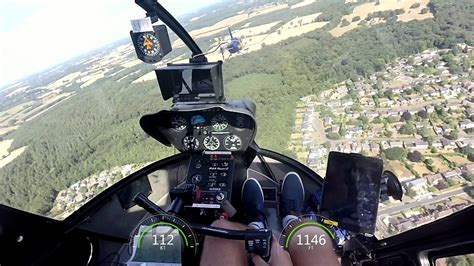
Once academic benchmarks and flight hour thresholds are achieved, the student becomes eligible for the final hurdle: the PPL-H flight test. This assessment involves a one-hour practical examination during which the applicant must demonstrate:
-
Pre-flight inspection proficiency
-
Engine start, hover, and circuit navigation
-
Autorotation and emergency protocols
-
Radio communications and airspace compliance
-
Flight control smoothness and judgment
The flight examiner, typically a senior instructor or CAD representative, evaluates the pilot’s ability to operate safely as pilot-in-command. A successful performance earns the candidate a PPL-H license, valid for 13 months, and renewable through flight reviews.
Step 5: Fly with Freedom or Continue to Commercial Levels
With a PPL-H in hand, pilots gain access to a world of aerial exploration. While the license is non-commercial, it permits personal and recreational flying, opening up unique experiences such as:
-
Helicopter excursions to remote destinations
-
Fly-outs to neighboring regions
-
Private transportation to exclusive resorts or business meetings
For those seeking more than recreation, the next tier is the Commercial Pilot License (Helicopter), which enables employment as a helicopter pilot. Entry into the CPL(H) program requires accumulating a minimum of 155 total flight hours, along with advanced instruction and testing.

Costs and Commitment: A Realistic Look
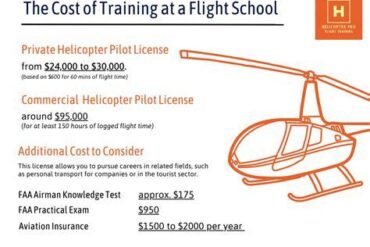
Pursuing a helicopter license is a significant financial investment. As of current market standards in Hong Kong, costs can range between:
- HK$300,000 – HK$500,000 for full PPL-H training, including ground school, flight hours, exam fees, and materials.
This figure can vary based on:
-
Chosen training institution
-
Aircraft type (e.g., Robinson R22 vs. R44)
-
Additional simulator hours or delays due to weather
However, for many, the cost is outweighed by the value of exclusive mobility, personal achievement, and the ability to explore regions inaccessible by land.
Helicopter License Recognition Beyond Hong Kong
A key consideration is whether a Hong Kong-issued PPL-H can be used internationally. While it is not directly transferable, many countries allow for validation or conversion of foreign licenses. The International Civil Aviation Organization (ICAO) standards ensure that Hong Kong’s licensing maintains high compatibility with global aviation regulations.
To fly overseas, the pilot must typically:
-
Present proof of hours and training
-
Pass a local flight review or theoretical conversion test
-
Obtain a medical certificate under the new country’s authority
Regions such as the UK, Australia, and the US offer well-documented pathways for validation.
The Legacy of Gigi Chao: Aviation’s New Face in Asia
One of the most visible ambassadors of private helicopter aviation in Asia is Gigi Chao, a business executive and Tatler Asia Lister. Her visibility as a certified helicopter pilot highlights a cultural shift—where aviation is no longer the domain of military veterans or commercial crews alone, but also of entrepreneurs and luxury lifestyle pioneers.
Her story has inspired many young individuals, particularly women in Asia, to pursue aviation not merely as a hobby, but as a statement of freedom, control, and capability.
Conclusion: Elevating Aspirations, One Flight at a Time
Obtaining a helicopter license in Hong Kong is both an achievement and a gateway. From the stringent medical exams to the commanding presence required in a flight test, each step hones not just the skills, but the mindset of a pilot. As urban air mobility becomes an increasingly discussed future for metropolises, early access to helicopter piloting lays a solid foundation for what may evolve into a new era of vertical transportation.
Whether flying over the Victoria Harbour, landing on high-altitude pads, or chartering private tours, a helicopter license elevates not only your physical altitude but your social and experiential horizon.
FAQs
How long does it take to get a helicopter license in Hong Kong?
The average duration is 6 to 12 months, depending on weather, scheduling, and student availability. Part-time students may take longer due to restricted lesson frequencies.
Is a Hong Kong helicopter license valid internationally?
While it cannot be directly used in most foreign jurisdictions, it is ICAO-compliant and can be validated or converted through additional exams and checks in countries like the UK, US, and Australia.
Can I rent a helicopter after getting my license?
Yes. PPL-H holders can rent helicopters from aviation clubs or certified operators, though most require checkout flights or recent flight experience to qualify.