Choosing between a helicopter license and a plane license is one of the most critical decisions for aspiring aviators. Both licenses grant the legal authority to operate aircraft, yet each represents a vastly different flying experience, training journey, and professional trajectory. While fixed-wing airplanes are synonymous with speed, altitude, and long-distance routes, rotary-wing helicopters stand apart for their agility, vertical mobility, and niche mission profiles. To determine the optimal path, one must evaluate not just the costs and hours, but also lifestyle goals, training complexity, and career outlook.
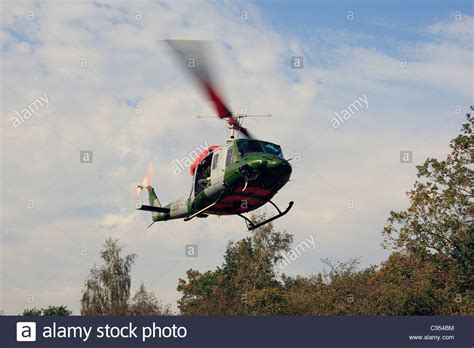
Training and Certification Requirements
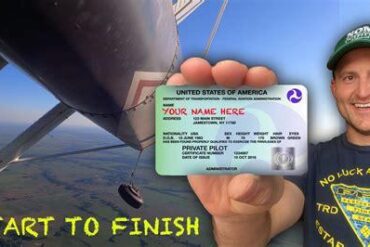
Both helicopter and airplane training start at the Private Pilot License (PPL) level under FAA regulations. However, the focus areas diverge quickly due to the nature of the aircraft.
For airplane pilots, training emphasizes:
-
Navigation, takeoffs, and landings in fixed-wing platforms
-
High-speed cruise, radio communications, and weather systems
-
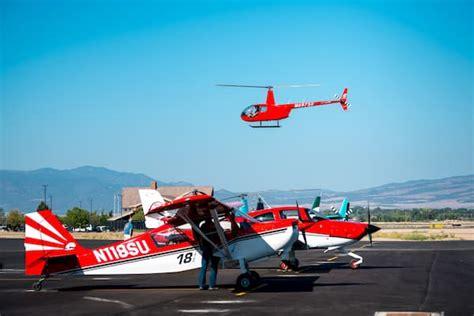
Proficiency with aircraft like the Cessna 152, Cessna 172, and Piper Seminole
In contrast, helicopter training centers around:
-
Vertical takeoffs and landings, hovering, and autorotation
-
Operating in confined spaces and variable terrain
-
Use of the Robinson R22 and R44 helicopters
Ground schools support both paths through written test preparation, simulators, and scenario-based training. While similarities exist in regulatory hours, the actual experiences are vastly different.
License Requirements and Flight Hours
The FAA Part 141 guidelines set minimum hour thresholds for each certification stage:
| License Type | Airplane Hours | Helicopter Hours |
|---|---|---|
| Private Pilot License | 35 | 35 |
| Instrument Rating (IR) | 35 | 35 |
| Commercial Pilot License | 120 | 115 |
| Certified Flight Instructor (CFI) | 25 | 25 |
It is important to note that helicopter training is generally more expensive due to higher operational costs and maintenance-intensive aircraft.
Differences in Flight Techniques
The core differences in flight mechanics define the divergence between these licenses:
Airplanes
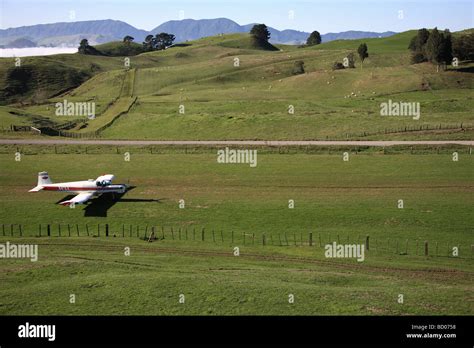
Airplanes rely on lift from wings, forward momentum, and runway operations. Pilots master:
-
Stable cruise at high speeds
-
Navigation over long distances
-
Precision landings and takeoffs from established runways
Helicopters
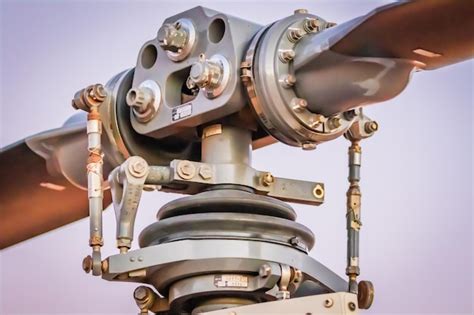
Helicopters use rotating blades for lift, enabling unique flight profiles such as:
-
Hovering in place
-
Vertical ascent/descent
-
Rapid course changes and access to tight locations
Flying Experience and Skills
The actual flying experience between helicopters and airplanes is arguably the most defining distinction:
-
Airplane pilots focus on altitude management, automated flight systems, and cruise planning
-
Helicopter pilots fly at low altitudes, use manual control finesse, and operate in unpredictable terrain
Fixed-wing flying tends to be smoother and system-assisted, while helicopters demand continuous pilot input for balance, altitude, and orientation. Precision is non-negotiable for helicopter pilots — especially during hovering and confined-space landings.
Career Opportunities and Market Demand
The career paths available for both license types are shaped by aircraft capabilities:
Airplane Pilot Careers
-
Flight instruction (to build hours)
-
Regional and major airline positions
-
Corporate jets, cargo, and aerial surveying
Helicopter Pilot Careers
-
Emergency medical services (EMS)
-
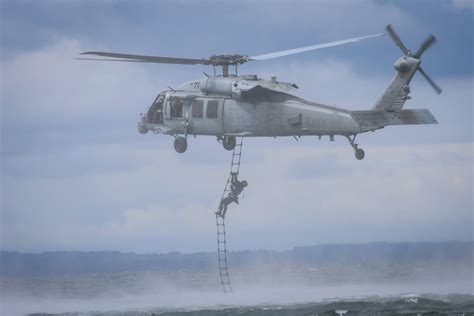
Search and rescue (SAR)
-
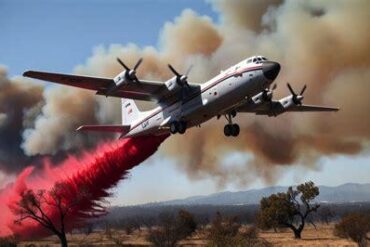
Offshore oil rig transport, tourism, and fire-fighting
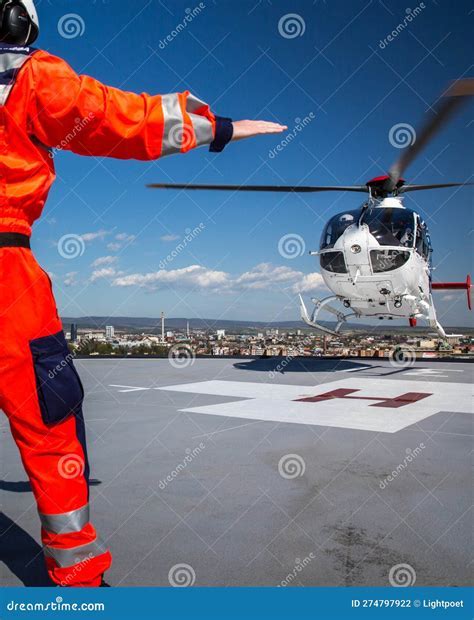
While fixed-wing roles often offer higher top-end salaries, rotary-wing pilots benefit from mission diversity and frequently enjoy closer community impact, especially in life-saving operations.
Lifestyle and Work Environment
The day-to-day life of pilots in each domain can be dramatically different:
Airplane Pilots
-
Structured schedules with defined airline routes
-
Overnight layovers, long-haul flights
-
High altitudes and reliance on airport infrastructure
Helicopter Pilots
-
Dynamic missions, often on-call
-
Operating from urban rooftops to mountain clearings
-
Exposure to more variable weather and terrain
These differences impact not only work routines but also personal lifestyle decisions, such as location flexibility, travel preferences, and emergency readiness.
How Aircraft Systems Differ
Understanding the aircraft’s mechanical principles is crucial for aspiring pilots:
-
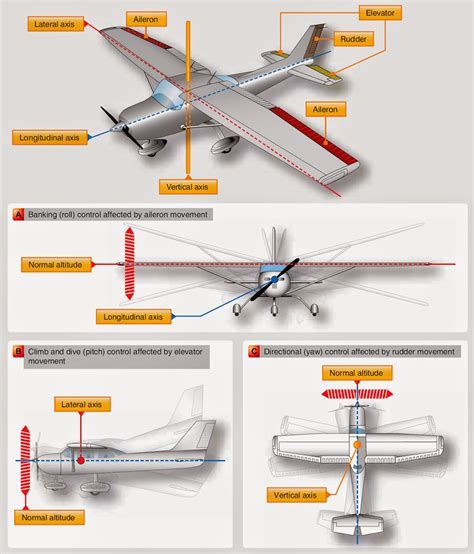
Airplanes use fixed wings, thrust from engines, and control surfaces (ailerons, rudders, elevators)
-
Helicopters operate through rotor blades that both lift and steer, making them more versatile — but also mechanically complex
This complexity contributes to the higher maintenance costs and training hours associated with helicopters.
Legal and Safety Considerations
Both aircraft types are regulated by the Federal Aviation Administration (FAA). Shared requirements include:
-
Aircraft registration and airworthiness certification
-
Periodic maintenance
-
Pilot medical exams and biannual flight reviews
However, helicopters often face additional local restrictions, such as:
-
Noise ordinances in urban areas
-
Altitude limits and restricted air corridors
From a safety standpoint, airplanes benefit from structured flight paths and ATC coverage, while helicopters require heightened manual control and situational awareness.
Cost of Training
Training costs vary significantly, with helicopter programs often exceeding their fixed-wing counterparts:
-
Airplane (PPL–CFI): $69,209 to $81,831 (CFII & MEI included)
-
Helicopter (PPL–CFI): $82,560 (no CFII), up to $86,362 (with CFII)
-
Accelerated airplane programs: $63,359–$75,981
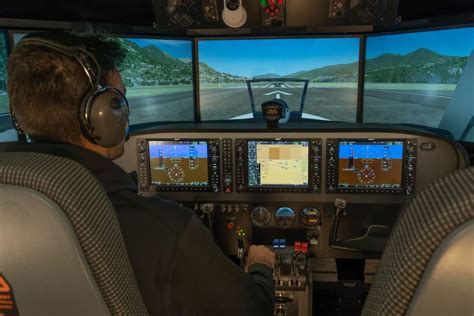
These figures reflect both instructional time and fuel, simulator, and maintenance expenses.
Personal Alignment and Decision Making
The final decision often comes down to personal goals:
-
Choose airplanes if you value structured progression, long-haul flying, and larger corporate environments
-
Choose helicopters if you seek varied missions, field operations, and hands-on control
Factors to evaluate include:
-
Interest in navigational planning versus manual flight maneuvering
-
Preference for routine vs. spontaneous mission profiles
-
Willingness to handle high-pressure, variable conditions
Available Training Resources
Most pilot schools offer tailored fleets for each training track:
-
Airplane: Cessna 152/172, Piper Seminole under Part 141 guidelines
-
Helicopter: Robinson R22/R44 with FAA- and EASA-approved programs
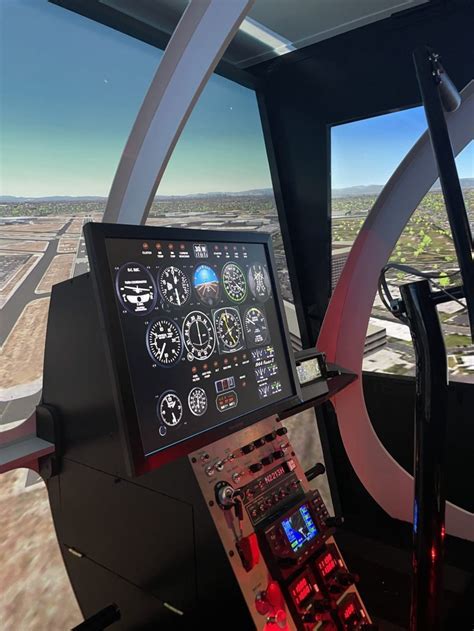
Simulators and ground school integration support a comprehensive learning pathway.
FAQs
What is the biggest difference between a helicopter and plane license?
The main difference lies in the type of aircraft flown and associated flight techniques. Airplanes require runways and rely on fixed wings for lift, while helicopters utilize rotors for vertical movement and hovering.
Which license is better for me — helicopter or airplane?
It depends on your career goals and personality. Choose a helicopter license if you prefer dynamic, mission-based flying. Opt for airplanes if you want commercial airline routes or long-distance navigation.
Can I switch between airplane and helicopter licenses later?
Yes, but it requires additional training. Helicopter pilots transitioning to airplanes (or vice versa) must meet aircraft-specific requirements and pass FAA practical exams for the new rating.