Understanding the Dilemma: RPP vs PPL in Canada
For many aviation enthusiasts in Canada, choosing between a Recreational Pilot Permit (RPP) and a Private Pilot Licence (PPL) is not just a matter of cost—it’s a deeply strategic decision based on future flying goals, time commitment, and regulatory flexibility. This guide aims to provide a comprehensive, factual, and high-level comparison of the two options, helping prospective pilots make a well-informed choice.
Flying for pleasure in Canada can take many forms—from occasional weekend hops to frequent cross-country adventures. But the licensing decision made early on can have long-lasting implications on how one experiences general aviation.
The Recreational Pilot Permit: Cost-Efficient, But Restrictive
The Recreational Pilot Permit (RPP) was designed with simplicity and accessibility in mind. It’s Canada’s entry-level fixed-wing aircraft certificate that allows holders to fly with some limitations.
Key Features of the RPP:
- Minimum 25 hours of flight training (including 15 dual, 5 solo)
- Written and flight tests are required
- Medical fitness: Category 4 medical, which can be signed by a regular family physician
- Cannot carry more than one passenger
- Limited to Canadian airspace only
- No night flying, no instrument flying
- Can only operate Canadian-registered, single-engine aircraft with four seats or fewer
- Cannot add advanced ratings (instrument, multi-engine, night)
From a financial standpoint, the RPP is cheaper to obtain. For pilots on a tight budget, this may seem like an appealing route. Those who plan to fly solo or with just one companion, and stay within local airspace, may find the RPP’s restrictions acceptable.
However, the limitations become increasingly apparent with time—especially for those who develop a passion for aviation and want to explore new horizons.

The Private Pilot Licence: The Gold Standard of Recreational Aviation
On the other hand, the Private Pilot Licence (PPL) offers full freedom under Canadian aviation law for non-commercial operations. It is a more robust credential recognized internationally, including by FAA standards in the United States.
Key Features of the PPL:
- Minimum 45 hours of flight training (including 17 dual, 12 solo)
- Requires Category 3 medical signed by a Civil Aviation Medical Examiner
- Written exam and flight test required
- Can carry multiple passengers
- International flying permitted, including entry into U.S. airspace
- Night flying and additional endorsements possible (e.g., floatplane, VFR OTT, instrument, multi-engine)
- Recognized globally under ICAO standards
For those interested in progressing as a pilot—even recreationally—the PPL is a long-term investment. It builds a stronger foundation in areas like cross-country navigation, emergency procedures, and meteorological awareness. These skills not only enhance safety but also unlock the freedom of the skies without borders.

Comparative Analysis: What the Real-World Experience Says
Pilots who have pursued both paths consistently highlight a few key realities:
- Cost Savings of RPP Are Marginal: Although the RPP requires fewer hours, most students exceed the minimum requirements for both RPP and PPL. Many report spending nearly the same amount on their RPP as they would have on a PPL.
- Future Flexibility: Those who start with the RPP often find themselves bridging to the PPL later. This means additional training, a repeat of the written and flight exams, and sometimes more costs than if they had chosen the PPL initially.
- Insurance and Aircraft Rentals: Many flying clubs and insurers treat PPL holders more favorably. Some aircraft rental services even require a PPL to access certain types of aircraft or destinations.
- Instructor Familiarity: As the RPP is less common, newer flight instructors often default to training to PPL standards regardless. This results in RPP candidates receiving nearly the same instruction load, negating cost/time savings.
Strategic Planning for Business Owners and Casual Flyers
For pilots who are not pursuing a professional career in aviation—such as entrepreneurs, business owners, or retired professionals—the decision becomes more nuanced.
If your flying intentions are strictly local, with rare need to carry more than one passenger, and you are unconcerned with U.S. or night operations, the RPP may suffice. However, this assumes a relatively narrow flying mission profile.
But if you anticipate:
- Flying with two or more passengers
- Exploring cross-border opportunities, particularly into the U.S.
- Operating in complex weather or night conditions
- Renting from multiple clubs or potentially purchasing a plane
…then the PPL offers superior value, flexibility, and peace of mind.

Transitioning from RPP to PPL: What You Should Know
The path from RPP to PPL is well-established but involves repeating formal assessments:
- Must meet the full PPL flight hour minimums
- Require PPL-specific written exam and flight test
- Any gaps in training or logbook inconsistencies can delay the process
- Students often find they need refresher instruction due to long gaps between permits
In most cases, the cost and time needed to bridge from RPP to PPL erase the initial savings offered by starting with the RPP.
Medical Certification: Class 4 vs. Class 3
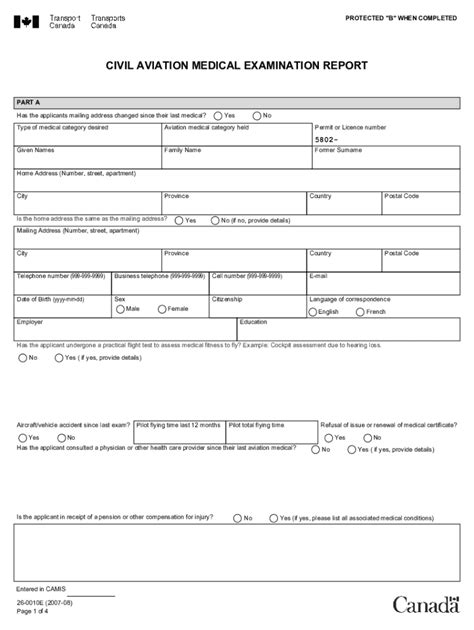
Another core factor in the decision is medical eligibility. The RPP requires only a Category 4 medical, signed by any family doctor. This is ideal for individuals who may not qualify for the more stringent Category 3 required for the PPL.
However, it’s important to note:
- Category 3 medicals are still relatively accessible for most healthy individuals
- If there is any intention to upgrade to the PPL, it is advisable to begin with a Category 3 to avoid setbacks later
If health concerns are primary and Category 3 is out of reach, then the RPP becomes a functional compromise—allowing limited flying under safe conditions.
Why Most Pilots Recommend the PPL First
The overwhelming consensus from flight instructors, experienced pilots, and club members across Canada is to choose the PPL from the beginning.
The marginal additional cost and time investment are vastly outweighed by:
- Expanded privileges and ratings
- International recognition
- Higher training standards and safety
- Long-term cost efficiency
- Fewer administrative burdens when renting or insuring aircraft
As one pilot remarked, “If you’re going to spend the money, you might as well enjoy the license without a long list of restrictions.”
Conclusion: PPL as the Clear Winner for Long-Term Value
While the Recreational Pilot Permit is a valid and regulated certification, its limitations place it in a niche category. For those whose aspirations extend beyond the local airstrip, the Private Pilot Licence is an empowering and future-proof choice.
If you’re torn between the two, consider not just your present flying habits, but what kind of freedom, adventure, and capability you want from aviation in the coming years. In nearly all scenarios outside strict budget or health limitations, the PPL will deliver superior value and unlock a world of flight possibilities.
Frequently Asked Questions
Can I convert an RPP to a PPL later in Canada?
Yes, but it involves meeting the full PPL training requirements, re-taking the written exam and flight test, and potentially investing more than if you had done the PPL from the start. It’s not an automatic upgrade.
Is a Recreational Pilot Permit recognized in the United States?
No. The RPP is not ICAO-compliant and therefore is not recognized outside Canada. You cannot legally fly into or within the U.S. with an RPP.
Can I add ratings like night or instrument to a Recreational Pilot Permit?
No. The RPP cannot be augmented with endorsements like night, multi-engine, or instrument ratings. Only the PPL and higher licences support such upgrades.