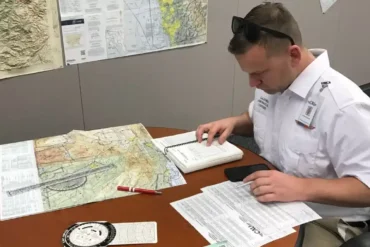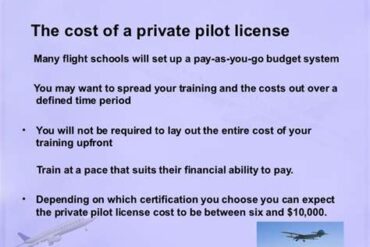
Preparing for the Private Pilot License (PPL) written exam is a critical milestone for every aspiring pilot. A strategic, well-rounded approach ensures not only exam success but also lays the foundation for real-world aviation proficiency.
Building a Strong Foundation with Core Study Materials
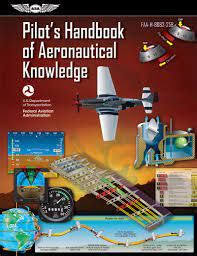
A structured study plan must start with the authoritative FAA publications. The Pilot’s Handbook of Aeronautical Knowledge (PHAK), Airplane Flying Handbook (AFH), and Federal Aviation Regulations/Aeronautical Information Manual (FAR/AIM) represent essential core materials. These references delve into the underlying theories of aerodynamics, regulations, navigation, and flight operations. Relying solely on question banks without immersing oneself in these sources leads to a shallow understanding, which becomes a liability during practical training and oral examinations.
While video resources like Sporty’s Online Ground School provide excellent visual reinforcement, they should complement—not replace—the foundational readings. Future pilots who embrace this dual approach benefit from repeated exposure to key concepts, fostering deeper retention and application skills.
Enhancing Preparation with Proven Test Prep Tools
High-quality test preparation resources streamline the learning process. Among the top recommendations, the ASA Private Pilot Test Prep Book stands out. This guide does more than drill students with rote questions; it teaches core aviation principles necessary for comprehensive understanding. The associated free online practice tests allow candidates to simulate real exam conditions and build testing stamina. Many students, such as those scoring in the 90s percentile, attribute their success to mastering three practice exams with scores above 80%, earning them an instructor endorsement for the official test.
Combining the ASA book with Sporty’s videos creates a synergistic effect: learners reinforce critical thinking skills while developing the ability to recognize nuanced question phrasing.
Leveraging Supplementary Digital Resources for Mastery
A plethora of free online resources complements traditional study methods. Platforms like King Schools’ Free FAA Exam and Pilot Institute’s online materials offer flexible, mobile-friendly study options. King Schools’ daily mini-exams sharpen short-term recall, while Pilot Institute’s detailed explanations encourage conceptual understanding.
YouTube remains a goldmine for visual learners. Focused topics such as pitot-static systems and gyroscopic instruments bring dry textbook material to life with animations and real-world examples. Videos like “Pitot-Static Systems Explained” and “Understanding Gyroscopic Instruments” make complex systems approachable.
When supplementing with YouTube, it is vital to prioritize reputable channels and cross-reference information with FAA publications to avoid misinformation.
Essential Study Equipment and Tools
Preparation for the PPL exam isn’t complete without the right instruments. A manual E6B flight computer, plotter, and the Airman Knowledge Testing Supplement are indispensable for mastering navigation problems and chart interpretation. Precision matters: measuring from the center of chart symbols ensures accurate calculations—a crucial detail often overlooked by hurried students.
Possessing these tools early in the study phase builds familiarity, reducing stress on exam day and during flight training.
Understanding vs. Memorization: The Key to Long-Term Success
The PPL written exam, much like the SAT, tests both memory and reasoning skills. Students should resist the temptation to rely solely on memorized question banks. Instead, they must focus on genuine conceptual understanding. As TxAggieMike aptly advises, mixing handbook readings with video lectures creates cognitive bridges that enhance real-world applicability.
This depth of knowledge pays dividends not only during the written but also at the practical checkride, where examiners often revisit incorrect written responses.

Moreover, exam results expire after two years; building a strong foundation ensures the longevity of aviation knowledge throughout a pilot’s career.
Maximizing Practice Exam Effectiveness
Taking practice exams is not simply a matter of quantity but strategy. After each session, candidates must meticulously review every missed question, researching the correct answers in the PHAK or FAR/AIM. This deliberate correction process accelerates understanding and solidifies retention.
Best practices for maximizing exam practice include:
- Only scheduling the official exam when consistent practice scores exceed 90-95%.
- Using mixed-question practice to simulate actual test unpredictability.
- Timing practice sessions to build speed and accuracy under pressure.
Over time, weak areas diminish, leading to a confident, composed exam performance.
Instructor Involvement: An Underrated Asset
While self-study drives initial progress, engaging a certified flight instructor (CFI) for knowledge checks can dramatically enhance preparation. CFIs offer personalized insights, clarify lingering doubts, and tailor study guidance to individual learning styles.
Even a few hours of consultation with an instructor before scheduling the exam can identify blind spots that self-study alone may miss. This proactive strategy often marks the difference between merely passing and excelling.

Warning Against Over-Reliance on Non-Official Sources
Despite the convenience of online forums, Reddit threads, and crowd-sourced advice, future pilots must anchor their learning in FAA-endorsed materials. Aviation is an exact science where misinformation can have serious consequences. Advisory Circulars, Pilot-Controller Glossary, and FAA Handbooks are vetted for accuracy and reflect regulatory standards.
Students who bypass official sources risk carrying erroneous information into both written and practical assessments.
Creating a Smart, Flexible Study Timeline
Future airline pilots aiming to complete their written exams before beginning Part 61 flight training must plan their study timelines carefully. A disciplined schedule might look like this:
- Weeks 1–4: Complete all video lectures while reading corresponding PHAK chapters.
- Weeks 5–6: Deep-dive into AFH and FAR Parts 61 and 91.
- Weeks 7–8: Intensively work through ASA practice questions and full-length exams.
- Weeks 9–10: Final polishing using Sporty’s Study Buddy app and King Schools’ daily quizzes.
Flexibility must be built into the plan to accommodate difficult topics and review sessions. By systematically layering knowledge and self-testing, candidates position themselves for first-attempt success.
Final Thoughts: Pursuing Excellence, Not Just Passing
The objective in preparing for the PPL written exam should transcend merely “getting a passing grade.” True aviation competence requires deep understanding, critical thinking, and the ability to apply learned knowledge in dynamic environments.
Approaching the written exam with the mindset of mastering the fundamentals—rather than memorizing for convenience—paves the way for safer, more confident piloting skills. As history shows, the best aviators are not those who cut corners, but those who honor the discipline and dedication the skies demand.
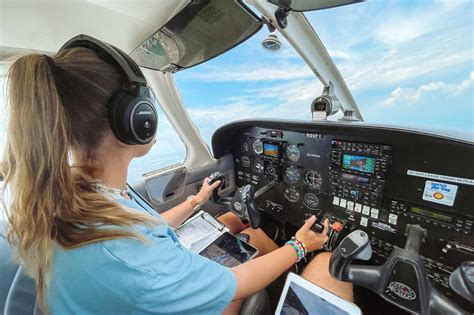
By embracing a multifaceted, disciplined study strategy, we ensure that future pilots not only ace their PPL written exams but also build the strong, resilient knowledge base required for a lifetime of aviation excellence.