Earning a Private Pilot License (PPL) is a life-changing investment for aspiring aviators. Whether the goal is weekend flying, business travel, or aviation hobbyism, this license opens the door to personal aviation freedom—but it comes at a considerable price. Understanding the full cost structure, from training hours to gear and testing, is essential before taking off on this journey.
What Is a Private Pilot License (PPL)?
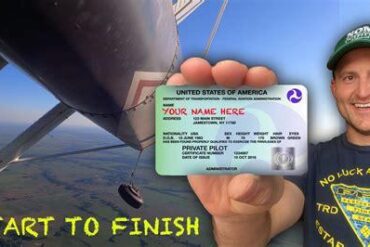
A Private Pilot License (PPL) is an FAA-issued certificate that allows a person to fly aircraft non-commercially. Holders of a PPL can legally fly family and friends, participate in aviation events, fly for charitable missions, and travel across state or even international lines for personal or business purposes. However, they cannot be compensated for piloting services unless under very specific and limited exceptions.
The United States has over 167,000 active private pilots, many of whom view the PPL not only as a certification but as a passport to explore the skies.
Eligibility and Requirements for a PPL
To obtain a Private Pilot License in the U.S., the Federal Aviation Administration (FAA) outlines the following requirements:
-
Age: Must be at least 17 years old.
-
Language Proficiency: Must be able to read, speak, write, and understand English fluently.
-
Medical Certificate: Must pass a medical exam from an FAA-approved Aviation Medical Examiner (AME).
-
Student Pilot Certificate: Required to start flight training.
-
Instructor Endorsements: Instructors must sign off before you’re allowed to take the knowledge test and checkride.
-
Flight Experience: Must log at least 40 flight hours, including:
-
20 hours of flight training with an instructor
-
10 hours of solo flight
-
Cross-country, night flying, and instrument training components
-
Written Exam: A computer-based FAA knowledge test with 60 multiple-choice questions.
-
Practical Exam: An in-air flight test and oral exam called the checkride.
Most students exceed the 40-hour minimum, typically logging between 60 to 75 hours before reaching the proficiency needed to pass the exam.
Total Private Pilot License Cost
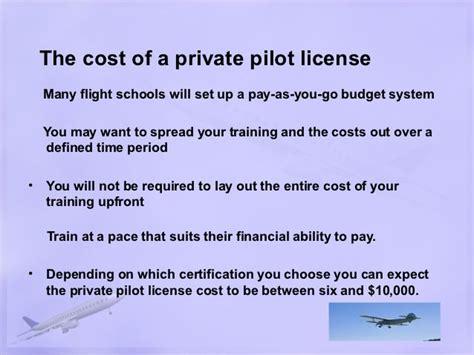
The total cost of obtaining a PPL generally falls between $12,000 and $20,000+, depending on the flight school, airplane rental rates, local instructor fees, and student progress.
Let’s break it down in detail:
Pilot Gear: $500–$2,000+
While some flight schools provide equipment, most students purchase their own gear, which includes:
-
Headset (with noise-cancellation for clear communication)
-
iPad or Electronic Flight Bag with aviation apps (ForeFlight or Garmin Pilot)
-
Kneeboards, flight bags, mounting brackets, power cables
-
Flashlights, snacks, and hydration bottles for long cross-country flights
Medical Exam & Student Certificate: ~$150
The FAA requires a Third-Class Medical Certificate, which must be issued by an AME. This exam checks vision, hearing, cardiovascular health, and mental fitness. The Student Pilot Certificate is usually issued concurrently through IACRA (FAA’s digital application portal).
Textbooks & Training Manuals: ~$100
Self-study materials include:
-
Pilot’s Handbook of Aeronautical Knowledge (PHAK)
-
Airplane Flying Handbook
-
Checklists, airplane-specific POH, and a logbook
Ground School: ~$300 Online or $50+/hr In-Person
Ground school prepares students for the FAA written knowledge test. Students can choose between:
-
Online courses: One-time purchase of $300–$500
-
In-person instruction: Billed hourly, typically $50–$75/hr
Many students combine both methods, relying on digital platforms for flexibility and instructor sessions for exam readiness.
Flight Training: $8,000–$14,000
This is the most expensive part of earning a PPL. Key components include:
-
Aircraft rental: Typically $120 to $200/hr, depending on aircraft type (Cessna 172 is common)
-
Flight Instructor Fees: $50–$100/hr for dual instruction
-
Average Hours Flown: Most students log 60 to 75 hours before passing the checkride
This component alone can exceed $10,000, especially if training is inconsistent and leads to skill degradation.
FAA Knowledge Test: ~$175
Administered at approved testing centers, this computer-based exam has 60 questions drawn from FAA publications. The minimum passing score is 70%.
FAA Checkride (Practical Exam): ~$850
The final hurdle is the checkride with a Designated Pilot Examiner (DPE). The fee includes an oral exam and an in-flight demonstration of proficiency. Rates vary by region and examiner availability.
Aviation Insurance: ~$600/year
While not mandatory for students renting aircraft, many opt for non-owner aircraft liability insurance to protect against damage liability during solo flights. A typical policy covers up to $60,000 in liability.
Financing and Funding Options
The high cost of private pilot training often prompts students to seek creative financing solutions. Here are some commonly used options:
Private Student Loans & Payment Plans
Many flight schools offer internal financing plans or partner with financial institutions like Sallie Mae or Meritize to offer aviation-specific student loans.
Federal Financial Aid
Though most PPL programs are not eligible for federal student aid directly, collegiate aviation programs tied to accredited institutions may allow use of FAFSA grants and federal loans.
Scholarships and Grants
Several organizations offer aviation scholarships, including:
-
AOPA Foundation (Aircraft Owners and Pilots Association)
-
EAA (Experimental Aircraft Association)
-
WIA (Women in Aviation International)
-
OBAP (Organization of Black Aerospace Professionals)
These programs often require essay submissions, recommendation letters, and progress reports.
Savings and Budget Discipline
Self-funding remains the most straightforward but requires careful planning. Students often train in bursts or spread lessons out to manage costs, though prolonged gaps can increase total flight hours needed due to lost proficiency.
Cost-Reduction Strategies for PPL Training
Strategic planning can help reduce training costs without sacrificing quality.
Chair Flying
Rehearsing flight procedures and checklists at home—known as “chair flying”—helps students visualize and memorize processes, leading to fewer mistakes during costly in-air training sessions.
Maximize Pre-Flight Knowledge
Students who memorize aircraft instrument panels, radio frequencies, and standard procedures before each session tend to train more efficiently.
Batch Scheduling Lessons
Booking multiple sessions per week helps maintain consistency and avoids the learning setbacks caused by infrequent flying.
Is a Private Pilot License Worth the Investment?
A Private Pilot License may not produce direct financial return unless it’s part of a path to a commercial career. However, its lifestyle value can be enormous. Flying to remote destinations, escaping traffic, joining flying clubs, or simply seeing the world from 3,000 feet up offers unique personal rewards.
Many PPL holders view flying as more than a skill—it’s a lifelong passion. Whether you pursue additional certifications like Instrument Rating or Commercial Pilot License (CPL), the PPL is your first major step into the aviation community.
Frequently Asked Questions
Can you earn money with a Private Pilot License?
Generally, no. FAA regulations prohibit private pilots from receiving compensation for flying. The few exceptions include:
-
Aircraft sales demonstrations
-
Towing gliders
-
Testing light-sport aircraft
Any other paid flying activity requires a Commercial Pilot Certificate.
Can you fly passengers with a PPL?
Yes, private pilots can carry passengers as long as no compensation is exchanged. Cost-sharing is allowed, where the pilot and passengers divide flight-related costs (fuel, oil, rental fees) equally.
How long does it take to get a PPL?
The timeline depends on frequency and consistency of training. Most students complete the process in 3 to 12 months. Training full-time can expedite the process, while part-time learners often take longer.