Earning a Private Pilot License (PPL) is a rewarding pursuit that opens up a world of aviation freedom. Whether your goal is to fly recreationally, pursue a professional pilot career, or simply explore the skies on your own terms, the journey to becoming a certified private pilot requires meticulous planning, strategic choices, and a clear understanding of the training process. In this article, we explore the best way to get a private pilot license, cutting through the confusion to offer precise guidance backed by aviation experts and real pilot experiences.
Understand the Purpose of Your Pilot License
Before enrolling in flight school or scheduling a discovery flight, it is critical to identify your motivation for becoming a pilot. Are you seeking to fly small aircraft recreationally, or do you envision a future in commercial aviation?
-
For future commercial pilots, choosing a Part 141 flight school or collegiate aviation program that offers structured curriculum and multi-stage certification makes sense.
-
For hobbyists and private flyers, a Part 61 flight school or local flying club is often more flexible and cost-efficient.
Your choice of training path will affect the pace, cost, and depth of your experience.
Get a Medical Certificate First
No one should start training before confirming their medical eligibility. You must pass a Federal Aviation Administration (FAA) medical exam, typically a Third-Class Medical Certificate, issued by an FAA-designated Aviation Medical Examiner (AME).
-
Visit the FAA website to find an AME in your region.
-
Prepare a detailed health history for the MedXPress portal.
This step ensures there are no disqualifying health conditions and prevents wasting time and money on training you might not be eligible to complete.
Choose the Right Flight School Strategically
Selecting the appropriate school is one of the most pivotal decisions in the PPL journey. Students should evaluate the following:
-
Location: Busy airports with control towers provide better air traffic communication experience.
-
Aircraft Fleet: Ensure availability of well-maintained single-engine aircraft like Cessna 172 or Piper Archer.
-
Instructor Experience: Look for schools with Certified Flight Instructors (CFIs) who have logged thousands of hours.
-
Curriculum Scope: A school that also offers Instrument Rating, Commercial Rating, and Multi-Engine Certification will help if you later expand your aviation goals.
Avoid ultra-small airfields with limited aircraft availability and outdated training programs. A mid-sized airport with active general aviation and multiple schools typically balances cost with quality training.
Start With Ground School and FAA Knowledge Test
Too many students rush into flight lessons without a firm foundation in aeronautical theory. We strongly recommend completing ground school and taking the FAA Knowledge Test before ever taking flight.
Reliable resources include:
-
Pilot’s Handbook of Aeronautical Knowledge (PHAK)
-
Airplane Flying Handbook
-
Jeppesen or ASA Private Pilot Textbooks
Online platforms like Sporty’s or King Schools offer interactive video courses that prepare students for the 60-question multiple choice test, covering:
-
Aerodynamics
-
Weather Theory
-
FAA Regulations
-
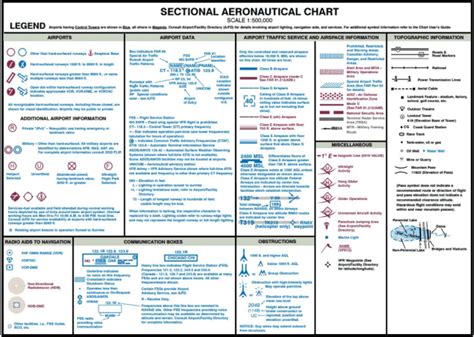
Navigation Charts
Schedule Regular Flight Lessons to Build Proficiency
Once ground school is underway or completed, students should begin flight lessons. The FAA requires a minimum of 40 hours of flight time, including:
-
20 hours of dual instruction with a CFI
-
10 hours of solo flight time
However, most students require 55–70 total hours to feel fully prepared for their check ride.
To maximize retention and progress:
-
Aim for 2 flight lessons per week, 2 hours each
-
Minimize long breaks between lessons
-
Practice frequently in a simulator if weather delays occur
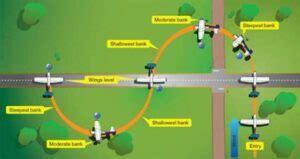
Rapid and consistent repetition is key to mastering maneuvers like steep turns, stall recovery, and crosswind landings.
Budget Realistically for Flight Training
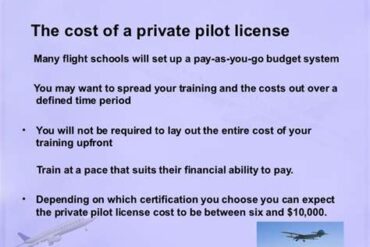
Flight training is not cheap. Depending on location, aircraft rental rates, and instructor fees, students can expect to spend:
-
$100–$200 per hour for aircraft + instructor
-
$6,000 to $12,000 for a full PPL program
Be sure to:
-
Have funds available before beginning training
-
Compare pricing between schools and flying clubs
-
Ask about training packages or block-hour discounts
Take a Discovery Flight Before Committing
Almost every reputable school offers a low-cost, no-obligation discovery flight, typically 30 to 60 minutes with a CFI. This serves as:
-
A trial lesson to experience flying firsthand
-
A way to evaluate instructor personality and teaching style
-
An opportunity to explore the school’s aircraft and facilities
Discovery flights help confirm whether flying is truly your passion.
Use Sectional Charts to Scout Training Airports
Use a sectional aeronautical chart to identify nearby airfields, especially county or municipal airports with active general aviation.
These often provide:
-
Lower costs
-
Less wait time for takeoffs
-
Proximity to airspace needed for training
Large commercial airports often impose landing fees, limit small aircraft activity, or simply are too congested for student flights.
Understand the Check Ride Process
The final step to earning a PPL is passing a check ride with an FAA Designated Pilot Examiner (DPE). This consists of:
-
Oral exam: Covering regulations, weather, flight planning, and aircraft systems
-
Practical flight test: Demonstrating proficiency in all flight maneuvers and emergency procedures
A student only proceeds to the check ride once the instructor deems them fully ready. Most schools offer mock check rides to prepare you thoroughly.
Explore Alternative Training Paths: Accelerated vs. Traditional
Depending on your availability and budget, training can follow one of two common routes:
-
Accelerated Programs: Offered by academies like Spartan or Florida Flyers. Fly daily and finish in 30–60 days. Ideal for career-bound pilots with time and money.
-
Traditional Weekly Lessons: Spread over several months. Best for working adults with limited availability and flexible goals.
Both approaches are valid. Your decision depends on time commitment, financing, and long-term aspirations.
Recommended Reading and Resources
Aviation is a deeply knowledge-driven pursuit. Supplement your training with trusted publications:
-
Student Pilot Flight Manual by William Kershner
-
Airplane Flying Handbook (FAA-H-8083-3C)
-
Instrument Flying Handbook for future training
-
Online forums and communities like AOPA, Reddit r/flying, and Quora discussions from seasoned pilots
FAQs: Common Questions About Getting a Private Pilot License
How long does it typically take to earn a PPL?
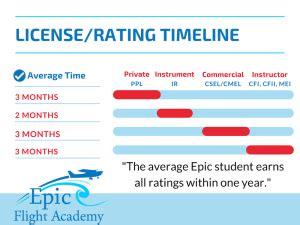
For most part-time students, training takes 4 to 6 months. Accelerated programs can reduce that to 30–60 days, but they require full-time dedication. Consistency in lessons dramatically affects timeline.
Can I learn to fly at any age?
The FAA requires a minimum age of 17 to obtain a PPL and 16 to solo. There is no upper age limit, provided you can pass the FAA medical exam.
Is it better to rent or buy an aircraft for training?
For most students, renting is far more economical during the training phase. Aircraft ownership entails maintenance, insurance, storage, and operational costs. After earning your PPL, purchasing a plane becomes a viable long-term option if you fly frequently.
We encourage aspiring pilots to begin with curiosity, approach training with discipline, and stay committed through every lesson. With the right planning, resources, and mindset, the journey to the skies can be one of the most fulfilling achievements of a lifetime.