Obtaining a pilot’s license is a journey that demands dedication, rigorous training, and strategic planning. At each stage, aspiring aviators must meet specific Federal Aviation Administration (FAA) requirements and log considerable flight time. Understanding the full scope of this process is critical for anyone considering a career in aviation.
The time it takes to get a pilot’s license can vary significantly depending on several factors, including the type of license sought, weather conditions, personal availability, and the chosen flight school’s resources.
How Long Does It Take to Get a Private Pilot License (PPL)?
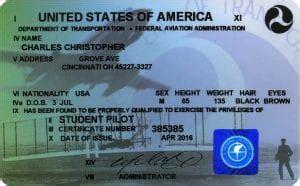
For many, earning a Private Pilot License (PPL) is the first step into the world of aviation. On an accelerated track, such as ATP Flight School’s fast-paced program, a student can obtain a PPL in as little as three months. However, standard timelines for most part-time students stretch to about six to twelve months. Factors influencing the pace include the student’s schedule flexibility, the intensity of their training sessions, and weather-related delays.
To qualify for a PPL, students must:
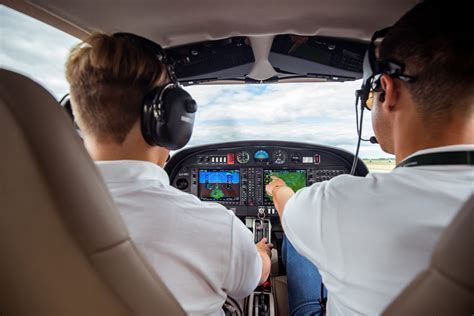
- Accumulate at least 40 hours of total flight time (20 hours of flight training with an instructor and 10 hours of solo flight time).
- Pass a written aeronautical knowledge test.
- Successfully complete a practical flight test with an FAA examiner.
During this training, students master foundational skills such as navigation, communication procedures, takeoff and landing techniques, and emergency handling.
Path to a Commercial Pilot License (CPL)
While a PPL is sufficient for personal flying, those aiming for a professional career must pursue a Commercial Pilot License (CPL). Achieving this milestone typically requires an additional seven to nine months following the PPL, assuming a full-time training schedule.
To obtain a CPL, pilots must:
- Be at least 18 years old.
- Hold at least a second-class medical certificate.
- Complete 250 hours of flight time.
- Pass both a written knowledge exam and a practical flight test.
- Earn an instrument rating to fly in diverse weather conditions.
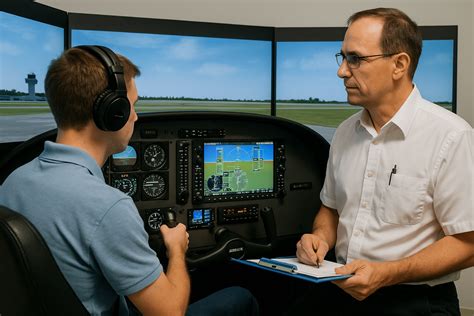
The CPL training sharpens a pilot’s proficiency with advanced maneuvers, complex aircraft operations, and precision flying.
Journey to the Airline Transport Pilot (ATP) Certificate
The Airline Transport Pilot (ATP) Certificate represents the pinnacle of pilot certification. To fly for a commercial airline, pilots must hold this certificate. The FAA mandates a minimum of 1,500 flight hours for eligibility, typically taking an additional two to two and a half years to achieve after earning a CPL.
Pilots often build these hours by working as Certified Flight Instructors (CFIs), flying cargo, or performing aerial survey work.
Key ATP Certificate requirements include:
- A minimum age of 23 years.
- Holding a CPL with an instrument rating.
- Passing a comprehensive written knowledge exam and a rigorous flight skills test.
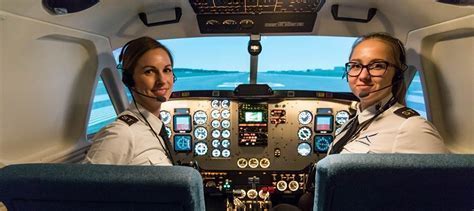
With an ATP Certificate, pilots are fully qualified to operate as captains for major airlines, enjoying significantly expanded career opportunities and salary potential.
Factors Affecting Pilot Training Duration
While the structured programs at institutions like ATP Flight School offer clear timelines, several factors can influence the actual duration of pilot training:
- Weather Conditions: Unfavorable weather can delay flight training schedules.
- Examiner Availability: Scheduling practical exams may introduce unexpected waits.
- Student Commitment: Consistency in training sessions accelerates progress.
- Learning Pace: Individual aptitude in grasping theoretical and practical aspects significantly impacts the timeline.
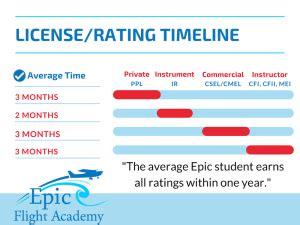
A motivated student in an intensive program could achieve the following milestones:
- PPL: 3 months
- CPL + Instrument Rating: 8 months
- Flight Instructor Certificates: 2 months
- Total Duration: Approximately 12 months to become employment-ready, excluding the time to build hours toward the ATP Certificate.
The Financial Investment Required
Pursuing a pilot’s license involves substantial financial commitment. Training costs vary depending on the school, location, and pace. ATP Flight School, for example, provides upfront, fixed-cost pricing based on realistic estimates of flight hours needed, helping students plan effectively.
- Private Pilot License: Approximately $10,000 to $20,000.
- Commercial Pilot License and Instructor Ratings: Can cost upwards of $60,000 to $80,000.
- Total investment to ATP Certification: Roughly $80,000 to $100,000.
Various financing options and scholarships are available, and some flight schools offer loan programs with deferred payments until after training completion.
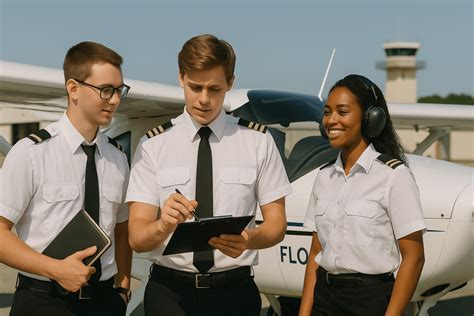
Flight Time Requirements Overview
Understanding the FAA-mandated flight time for each certification is essential:
- Private Pilot License: 40 hours minimum.
- Commercial Pilot License: 250 hours total.
- Airline Transport Pilot Certificate: 1,500 hours total.
Many aspiring pilots utilize a structured timeline to balance training, work, and personal obligations, ensuring steady progress toward their goals.
Final Thoughts: Is It Worth It?
Becoming a pilot is not just a career choice; it is a commitment to mastering a complex set of skills under strict regulatory standards. The time investment of 12 months to earn professional certifications and up to 2.5 years to accumulate ATP flight hours can seem daunting, but the rewards are substantial. A career in aviation offers adventure, job stability, and the potential for significant financial returns.
Choosing the right flight school, maintaining discipline in training schedules, and proactively building flight hours are critical for success. With the right dedication, anyone with the passion for flying can soar to new heights in the aviation industry.