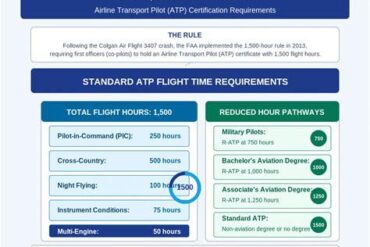
Aspiring airline pilots often wonder: how long does it take to get 1500 flight hours? This milestone is crucial for securing an Airline Transport Pilot (ATP) certificate, which unlocks opportunities with regional and major airlines. While the journey is straightforward in theory, the actual timeline varies greatly based on numerous factors, including job type, location, flight school, and personal circumstances.
Achieving 1500 flight hours is not just about flying; it is about strategic career moves, weathering unpredictable conditions, and, most importantly, building skills that lay the foundation for a long and successful aviation career.
Understanding the Basics of Flight Hour Accumulation
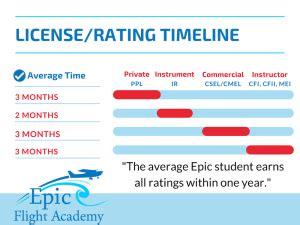
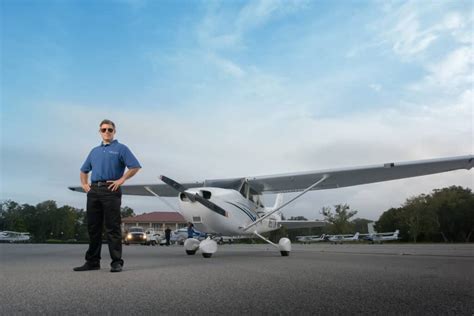
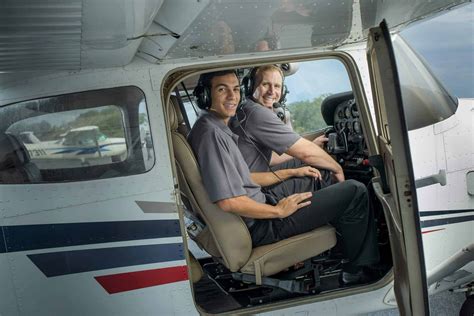
Most pilots begin accumulating flight hours during their initial training, but real progress typically starts after becoming a Certified Flight Instructor (CFI). As a CFI, pilots log hours by teaching others how to fly, a method often referred to as “building hours.” Working as a CFI is not just practical; it is one of the most common paths because of its accessibility and the dual benefit of reinforcing personal flying skills while adding to the logbook.
However, the speed at which a pilot reaches 1500 hours depends largely on monthly flight time. For instance, a pilot averaging 50 flight hours per month would need about 30 months (2.5 years) to meet the requirement. Increasing this to 80–90 hours monthly can shorten the journey to about 18 months.
Key Factors That Influence How Fast You Reach 1500 Hours
Location is arguably one of the most critical elements. Pilots instructing in clear-weather states such as Arizona, California, and Florida often report faster progression. The reason is simple: consistent flying weather.
Pilots in northern states face seasonal challenges, particularly during winter months, which can slash available flying hours significantly. As one CFI from Arizona noted, accumulating 1500 hours could be achieved in 1.5 to 2 years thanks to nearly 85% clear skies annually, while a counterpart in the northern U.S. needed over three years.
Real-World Timelines: Pilots’ Experiences
Pilots’ personal experiences vividly illustrate the variability:
- 14 months: A pilot balancing three aerial survey jobs accelerated their hour-building to reach 1500 hours just over a year after earning their certificates.
- 18 months: Another pilot teaching six or more students daily managed intense schedules, working six days a week and flying up to 8 hours per day.
- 2 years: Many CFIs working part-time or experiencing moderate weather constraints hit 1500 hours around the two-year mark.
- 3+ years: Some pilots, especially in areas with limited flying opportunities or instructing under Part 61 schools, experienced extended timelines.
These examples underscore that motivation, opportunity, and environment play decisive roles.
Monthly Flight Hour Expectations
Breaking it down further, the pace often looks like this:
- 50 hours/month: ~30 months (2.5 years)
- 70 hours/month: ~21–22 months
- 90 hours/month: ~16–17 months
These figures assume consistent scheduling, availability of students, aircraft maintenance reliability, and minimal weather disruptions. Any deviation, such as winter downtime, aircraft unavailability, or personal time off, can significantly impact progress.
Strategies to Build Flight Hours Faster
While becoming a CFI is the traditional method, there are additional pathways pilots pursue to accelerate their flight time accumulation:
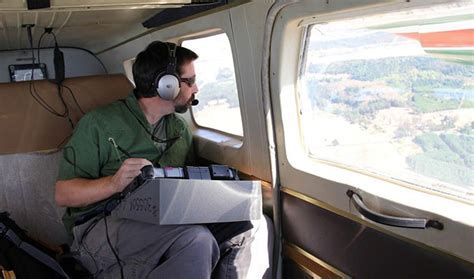
- Aerial Survey Jobs: Often offering large blocks of flight time, particularly during peak seasons.
- Pipeline Patrol: Essential but sometimes monotonous work, ideal for consistent hour-building.
- Banner Towing: Popular in coastal areas and during tourist seasons.
- Skydive Operations: High-turnover flying, especially during the summer months.
- Part 135 Charter Jobs: Once reaching around 500–1000 hours, pilots can start flying under Part 135 operations, further hastening their accumulation.
Impact of Flight School Type: Part 61 vs. Part 141
Flight schools also significantly impact the timeline. Part 141 schools, approved by the FAA with structured programs, allow pilots to qualify for a Restricted ATP (R-ATP) with as little as 1000–1250 hours if specific criteria are met. This reduction is invaluable for pilots seeking quicker entry into airline careers.
On the other hand, Part 61 schools are typically more flexible but require pilots to reach the full 1500 hours without exceptions. While this route offers adaptability, it can stretch timelines, especially without strategic hour-building plans.
Balancing Quality of Life and Hour Building
Pushing to reach 1500 hours too aggressively can lead to burnout. As highlighted by several experienced pilots, working 10–12 hour days, six days a week, flying constantly might accelerate the timeline, but it often diminishes the passion for aviation.
Building flight hours should be approached as a marathon, not a sprint. Some pilots reported slowing down intentionally after reaching 1200–1300 hours when hiring rates dipped, choosing to maintain balance rather than burn out before securing their dream airline job.
Geographic Differences and Opportunities
Relocating to major flight hubs like Phoenix, Southern California, or South Florida can provide immense advantages due to student demand and better weather. However, high saturation of instructors can also create competition for students, requiring careful selection of where to work.
Conversely, pilots instructing in regions with harsher weather or fewer students must manage expectations accordingly. Building strong student relationships, maximizing available flying days, and seeking additional flying roles during off-seasons become essential strategies in such environments.
COVID-19’s Lasting Effects on Hour Building
The aviation industry’s turbulence during COVID-19 continues to ripple through training environments. During 2020 and 2021, many instructors faced delayed career timelines as student numbers plummeted. Today, most flight schools have rebounded, but lingering caution emphasizes the need for flexibility and resilience.
Pilots currently in training must remain aware of broader industry trends, maintaining readiness to adapt schedules and plans as conditions evolve.
Conclusion: What Is the Realistic Expectation?
Realistically, reaching 1500 hours from the time a pilot becomes a CFI usually spans between 18 to 30 months. Pilots achieving closer to 80–90 flight hours per month can expect faster timelines, while those averaging 40–50 hours will naturally need longer.
Ultimately, the journey to 1500 flight hours is a test of dedication, resilience, and strategic planning. While the industry rewards speed, it values skill and maturity even more. Pilots who focus on quality flying, meaningful instruction, and balanced career building not only reach 1500 hours—they step into airline careers stronger and more prepared than ever.