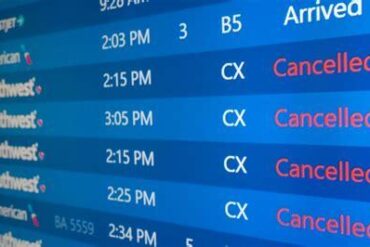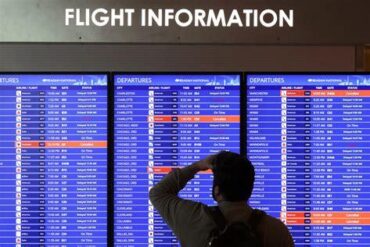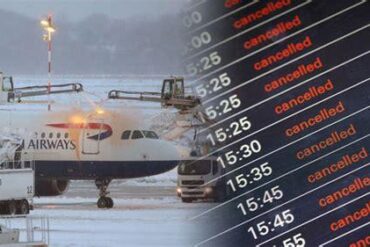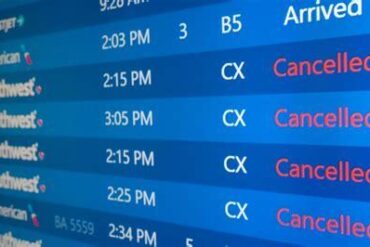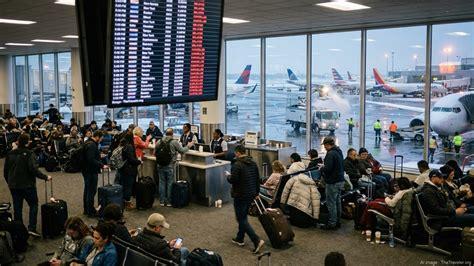
Severe thunderstorms and ongoing air traffic control (ATC) staffing shortages created major disruptions across the New York aviation system on Friday, with more than 500 flights canceled and over 4,000 flights delayed. The operational breakdown affected the region’s three primary airports — John F. Kennedy International Airport (JFK), LaGuardia Airport (LGA), and Newark Liberty International Airport (EWR) — leaving thousands of travelers facing missed connections, long waits, and uncertain schedules.
The disruptions placed New York among the most affected aviation markets in the United States as airlines struggled to recover from a combination of severe weather and reduced airport capacity. The Federal Aviation Administration (FAA) identified hazardous storms and limited controller availability as key factors behind the widespread delays, warning that recovery could take time as weather conditions moved across the Northeast.
Severe Thunderstorms and ATC Shortages Created a Perfect Storm for Delays
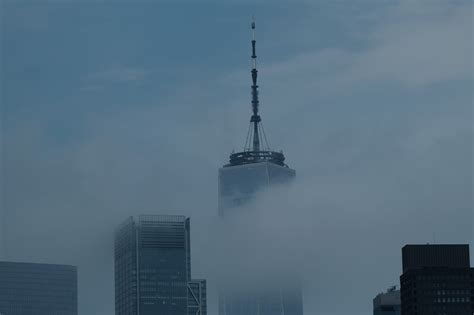
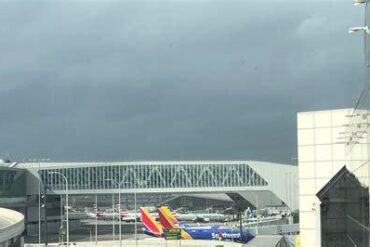
Thunderstorms are among the most disruptive weather events for commercial aviation because they directly affect both safety procedures and airport efficiency. Heavy rain, lightning, strong winds, and reduced visibility can force airports to slow aircraft movements, increase spacing between arrivals, or temporarily pause certain ground operations.
During Friday’s disruption, the FAA implemented traffic management initiatives to reduce pressure on the airspace system. These measures included ground delays and reduced arrival rates at affected airports. While these restrictions help maintain safe operations, they also create a growing backlog of aircraft waiting for departure slots or landing opportunities.
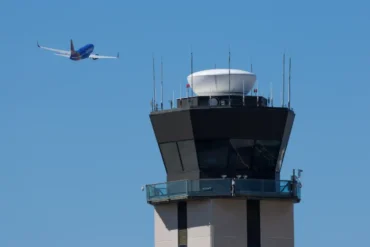
The weather challenges were made more difficult by existing air traffic controller shortages. When fewer certified controllers are available, airports have less flexibility to handle sudden disruptions. Normally, aviation networks can gradually recover after storms pass, but staffing limitations can significantly slow the process by reducing the number of aircraft that can safely be managed at any given time.
The FAA has repeatedly highlighted weather and staffing constraints as major causes of delays, particularly in busy regions such as the Northeast. New York’s airspace is one of the most complex in the world, with thousands of daily aircraft movements competing for limited routes and airport capacity.
JFK, LaGuardia, and Newark Experienced Widespread Travel Disruptions
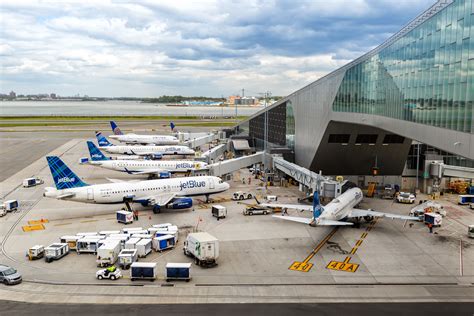
The impact of Friday’s disruption extended far beyond the New York metropolitan area because JFK, LGA, and EWR serve as critical hubs for both domestic and international travel. Delays at these airports often spread throughout airline networks because aircraft and flight crews are constantly moving between multiple cities.
According to operational data from FlightAware, the disruption affected several major airports in the region. JFK recorded hundreds of delays and more than one hundred cancellations, while LaGuardia and Newark also experienced significant operational setbacks. Philadelphia International Airport and smaller regional airports in the area were also affected as the weather system moved through the region.
For passengers, the consequences were immediate. Travelers encountered crowded terminals, extended customer service lines, and limited options for rebooking. Many airlines issued travel waivers allowing customers to change flights without normal fees, but limited seat availability meant that some passengers still faced lengthy waits before reaching their destinations.
Because airlines operate interconnected schedules, a canceled aircraft rotation in New York can affect flights many hours later in other cities. Crews may reach their maximum working hours, aircraft may be repositioned, and passengers connecting through affected airports may miss their onward flights.
New York Aviation Faces Long-Term Operational Challenges
Friday’s disruption highlights broader challenges facing the New York aviation system, where high traffic demand leaves little room for unexpected problems. Even during normal operations, airports in the region operate close to their practical limits, meaning severe weather or staffing issues can quickly create nationwide ripple effects.
The challenge is especially significant because air traffic controllers require extensive training and certification before they can independently manage complex airspace. Increasing staffing levels is therefore a long-term process rather than a quick solution. Although federal officials continue efforts to recruit and train additional controllers, workforce shortages remain a concern across the aviation industry.
Airlines have invested in technology, scheduling improvements, and operational planning to reduce disruption risks, but external factors such as storms remain difficult to control. When severe weather arrives during periods of high passenger demand, even well-prepared airlines can face significant challenges.
For travelers flying through New York, Friday’s events serve as another reminder of the importance of checking flight status before leaving for the airport. Weather conditions can change quickly, and delays caused by storms and ATC restrictions may continue affecting schedules long after skies begin to clear.
The combination of 500-plus cancellations, thousands of delays, and strained airport operations demonstrates how vulnerable major aviation hubs can become when multiple pressures occur at the same time. As passenger demand continues growing, maintaining reliable air travel will depend on addressing both infrastructure limitations and the ongoing need for a stronger air traffic control workforce.