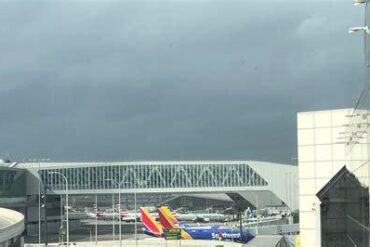
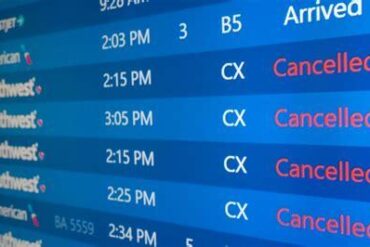
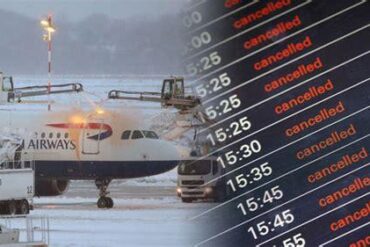
Torrential thunderstorms and violent wind systems have unleashed widespread chaos across major U.S. airports, triggering over 900 flight cancellations and delays and throwing the summer travel season into disarray. The June 19 disruption hit key carriers such as Air Canada, American, United, Delta, Alaska, Spirit, and Frontier, and impacted aviation hubs including JFK, Newark, Philadelphia, Boston, Chicago O’Hare, and LaGuardia.
Severe Weather Cripples Airport Operations During Peak Season
The timing of this disruptive weather event could not be more critical. With schools out and families embarking on long-awaited vacations, the summer travel season is operating at full throttle. Airlines already stretched thin by tight staffing and fully booked aircraft were caught off guard by the sudden onset of storms. What followed was a domino effect of cascading cancellations, rolling delays, and tens of thousands of travelers stranded at terminals.
JFK International Airport: Storm Surge Causes 188 Flight Interruptions
John F. Kennedy International Airport (JFK) bore the brunt early in the day, registering 59 cancellations and 129 delays by mid-day. Regional carrier Endeavor Air led the tally with 31 flights grounded. JetBlue, Delta, and American also experienced significant disruptions. Lightning strikes near runway areas, combined with wind gusts reaching up to 40 mph, brought ground operations to a crawl.
Long-haul international carriers such as Qatar Airways, British Airways, and Air India faced delay notices as flights bound for Mumbai, London, and Doha were held on the ground or in holding patterns. Delays at JFK quickly spilled over into international air traffic, impacting connecting passengers around the globe.
Newark Liberty International: United Bears the Heaviest Blow
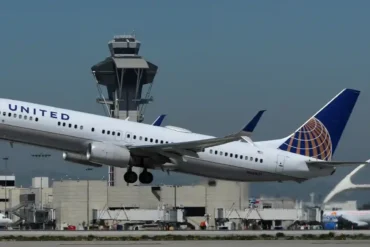
At Newark Liberty International Airport (EWR), the storm’s wrath caused 23 flight cancellations and 75 delays, with United Airlines being the most severely affected. United canceled 15 flights and delayed 46 others, largely across key domestic and international routes. The disruptions paralyzed ramp activities multiple times as visibility dropped below FAA thresholds.
Low clouds and persistent lightning repeatedly halted operations, with inbound aircraft rerouted to holding areas and outbound aircraft grounded without clear timelines. Wet runways, taxi delays, and staffing shortfalls compounded passenger frustrations, with ground transport from parking and access roads further delayed due to flooding.
Philadelphia International: American’s Northeast Hub Brought to Its Knees
Philadelphia International Airport (PHL) saw 33 cancellations and 96 delays, as American Airlines—the dominant carrier at the hub—suffered a major operational collapse. American logged 24 cancellations and 40 delays, while its regional affiliates like PSA, Republic, and Piedmont also absorbed multiple disruptions.
Flights to Washington D.C., Charlotte, Atlanta, and Boston were all affected, with ripple effects disrupting downstream connections. Lines at customer service desks stretched across terminals as passengers waited for rebooking options, often to be told that no alternatives were available for the next 24 hours.
Boston Logan: Regional Carriers Stagger as Storms Hit New England
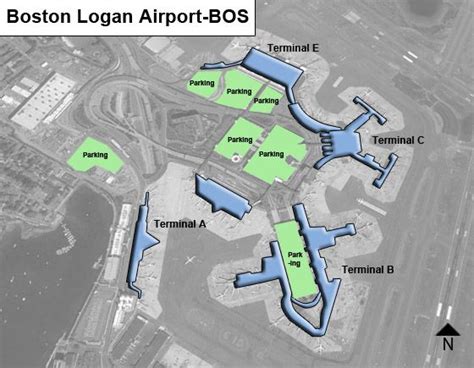
At Boston Logan International Airport (BOS), weather-induced delays disrupted 29 flights and caused 91 delays, severely impacting Cape Air, which lost 14 regional flights. Larger carriers like JetBlue, United, and American were not spared, especially on transatlantic routes.
Early morning passengers bound for Lisbon, Paris, and Toronto found themselves sitting idle at boarding gates, while visibility issues delayed aircraft arrival and departure windows. Airport authorities struggled to deconflict crowded gates, and even once air traffic control approved departures, tarmac congestion slowed movement.
Chicago O’Hare: The Network Effect of National Delays
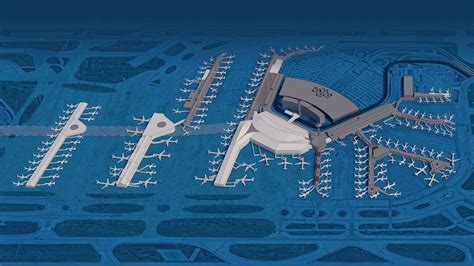
Though the Midwest was not the direct epicenter of the storm, Chicago O’Hare International Airport (ORD) still reported 221 delays and 21 cancellations, largely from downstream impacts caused by the East Coast disruption. Airlines like GoJet, SkyWest, and Envoy Air had to repeatedly adjust schedules as inbound flights from JFK, LGA, and BOS arrived hours behind schedule.
American and United—both major operators at O’Hare—struggled to reshuffle flight crews whose legal duty times expired due to long delays. International operators such as Emirates, Qatar Airways, and Ethiopian Airlines faced late departures, turning ORD into an operational bottleneck.
LaGuardia Airport: Short-Haul Mayhem as Delays Surge to 169
LaGuardia Airport (LGA), known for its high-frequency shuttle service to East Coast cities, experienced 29 cancellations and a staggering 169 delays. Endeavor Air, a Delta regional partner, was hit hardest, but Republic Airways and American Airlines also reported massive schedule backlogs.
Short-hop routes to Washington, Boston, Charlotte, and Chicago became the epicenter of customer complaints as delays reached 3–5 hours. Some aircraft were parked for extended durations due to low gate availability, while ground crew rotation was strained by mandatory rest limits.
Airlines Most Impacted by Storm Disruptions
The severe weather carved through both legacy and low-cost airlines alike. Major carriers American Airlines, United Airlines, and Delta absorbed the greatest volume of cancellations and delays due to their heavy presence at the affected hubs. However, Spirit Airlines, Frontier, and Alaska Airlines also encountered schedule breakdowns, particularly on short- to mid-haul routes.
Notable Disruptions by Airline:
- American Airlines: Over 40 cancellations across PHL, BOS, and LGA
- United Airlines: Over 100 delays and 20+ cancellations, mostly at EWR and ORD
- Delta Air Lines: More than 75 delays, heavily centered at JFK and LGA
- JetBlue: Significant delays at JFK and BOS, plus moderate cancellations
- Spirit & Frontier: Disrupted East Coast leisure routes with delayed turnaround times
Passenger Impact: Rebooking Chaos, Overflowing Terminals, and Frustration
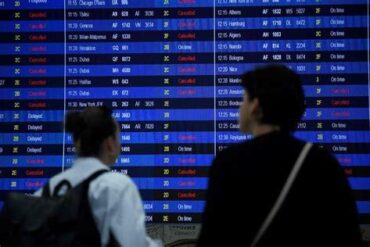
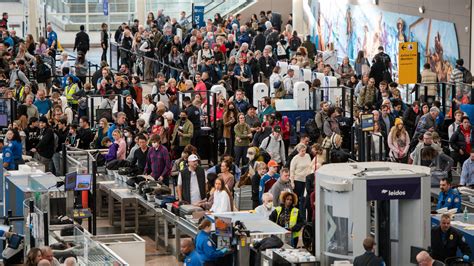
Airlines were quickly overwhelmed by rebooking demands. With most flights already at or near capacity for the summer season, passengers found themselves with no immediate alternatives, especially those booked through budget carriers with limited flight frequency. Mobile apps crashed or gave stale updates, and airport personnel struggled to handle angry crowds and overflow waiting areas.
At JFK and Newark, some passengers waited up to six hours for alternate flights or even basic itinerary updates. Customer service lines curled through concourses, and some travelers resorted to booking hotels or sleeping on terminal benches as flight options dwindled. In Boston and Philadelphia, ride-share surge pricing exploded as frustrated passengers sought alternate transport home.
Airport Infrastructure Strained Under Weather Pressure
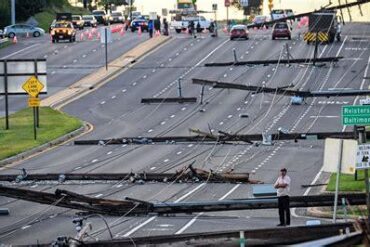
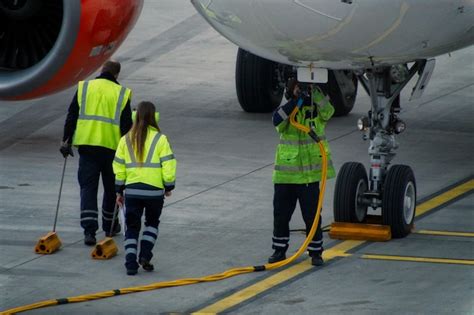
The cascading delays exposed cracks in infrastructure resilience. Flooded access roads in Newark and Philadelphia stranded shuttle buses. Baggage handling at LaGuardia and JFK fell behind as personnel were rerouted to gate operations. In Chicago, deicing pads and taxiways became parking lots for idle aircraft awaiting crew changes.
Moreover, weather monitoring systems were tested by the evolving storm cell patterns, with ground operations having to pause multiple times within a single hour at various airports. Ground stops initiated by FAA air traffic control exacerbated congestion at terminals and in-flight holding patterns.
Forecast: More Storms Likely to Prolong Disruptions
Meteorological models suggest that the storm system will persist over the Northeast for at least another 24 to 36 hours. The National Weather Service has issued continued thunderstorm and flash flood warnings for parts of New York, New Jersey, Pennsylvania, and Massachusetts.
Travelers are urged to monitor their airline apps, subscribe to SMS updates, and prepare for continued volatility through the weekend. FAA traffic flow advisories will continue as needed, especially in the Washington-New York-Boston corridor, where air traffic density is among the highest in the world.
Conclusion: A Grim Preview of Summer Air Travel Fragility
This latest round of flight disruptions offers a sobering glimpse into the fragility of the U.S. air travel system during peak periods. With airlines running on lean margins and crews already maxed out on duty hours, even a moderate storm front now has the power to unravel coast-to-coast schedules.
The events of June 19 are not isolated; they are part of a larger pattern. As climate variability increases and travel rebounds to pre-pandemic levels, airports, airlines, and passengers alike must prepare for more frequent operational upheavals. The ripple effects seen this week are likely to be repeated in the coming months—unless sweeping changes in scheduling buffers, staffing resilience, and airport infrastructure are prioritized.
In the meantime, passengers are advised to stay alert, flexible, and ready to adapt—because for now, America’s skies remain stormy in more ways than one.