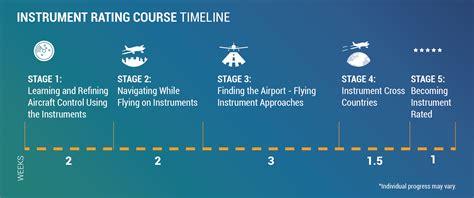
Instrument Rating is a critical step in the journey of any aspiring commercial or professional pilot. It sharpens a pilot’s ability to fly in low visibility, navigate using only instruments, and safely operate in more complex airspaces. But one question continues to dominate aviation forums and hangar talk: How long does instrument rating take? The answer is layered, depending on the training path, schedule, individual aptitude, and regulatory requirements. Below, we explore this in detail, guided by FAA regulations, Part 61 training expectations, real pilot experiences, and the realities of scheduling with Designated Pilot Examiners (DPEs).
Understanding the Regulatory Framework
Under FAR Part 61, the minimum flight experience required for an instrument rating includes:
-
50 hours of cross-country time as pilot-in-command (PIC)
-
40 hours of actual or simulated instrument time, including:
-
At least 15 hours of instrument flight training with a Certified Flight Instructor – Instrument (CFII)
-
A 250 nautical mile cross-country flight performed under IFR conditions with instrument approaches at three different airports
These are minimums; most pilots require additional hours to build proficiency and meet performance standards for the checkride.
Flight Schedule and Frequency: A Critical Variable
The cadence of flight lessons significantly impacts how long it takes to complete the instrument rating. Pilots flying three times per week tend to complete the required flight hours faster, with greater retention and reduced retraining. In contrast, those flying once a week or less often experience delays due to regression in skills, especially under the hood or in IFR communications.
From community data, here are examples:
-
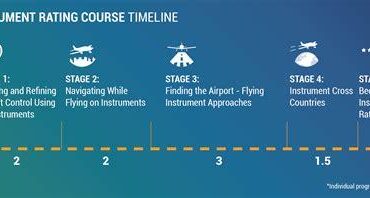
A pilot flying three times weekly completed their IR in about 2 months.
-
Another, flying only once a week early on, then ramping up later, took 4 months.
-
A compressed training program participant completed the rating in 6 days, arriving with 15 hours under the hood and a passed written test.
These timelines demonstrate that consistency and immersion are key to expediting the process.
Part 61 vs. Accelerated Programs: A Strategic Choice
Part 61 training offers flexibility but tends to take longer if the student is part-time or self-paced. Conversely, accelerated programs like the Professional Instrument Courses or IFR6 promise completion in 6–10 days, provided the student arrives well-prepared.
Accelerated courses are ideal for:
-
Pilots with flexible schedules
-
Those with some prior instrument experience
-
Individuals who passed the FAA written test in advance
Traditional Part 61 routes are better suited to:
-
College students or working professionals with limited daily availability
-
Pilots building time concurrently
-
Those preferring a gradual, modular approach to IFR mastery
The Role of the Written Exam and Ground School
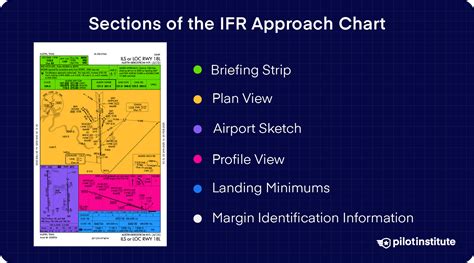
The FAA Instrument Rating Airman Knowledge Test (IFR written) is a prerequisite for the checkride. Completing the written early in the process streamlines the rest of the journey. Most successful pilots:
-
Attend a dedicated ground school or use platforms like Sporty’s or King Schools
-
Pass the written before logging significant flight time
-
Combine sim time with ground school to reinforce procedural knowledge
By front-loading the academics, flight lessons become more about practical application rather than remedial theory.
The Designated Pilot Examiner (DPE) Bottleneck
A commonly overlooked factor is the availability of DPEs. Booking a checkride often means waiting 2 to 5 months, depending on the region. In some areas, there is a severe shortage of examiners, delaying the checkride far beyond the completion of training.
One pilot recounted:
“I booked a DPE 2.5 months in advance. When I followed up, they didn’t remember me. It took me five months longer than expected to finish.”
To avoid delays:
-
Book the DPE early, ideally when you’re halfway through training
-
Stay in contact to confirm availability and expectations
-
Maintain proficiency with simulators or safety pilot flights while waiting
Simulators and Safety Pilots: Valuable Tools for Efficiency
For Part 61 students, simulators and safety pilots offer efficient ways to log time and sharpen skills without the cost of dual instruction. FAA allows:
-
Logging up to 20 hours in an FAA-approved simulator
-
Logging simulated instrument time with a safety pilot for proficiency (though not for dual instruction credit)
Strategic use of simulators helps:
-
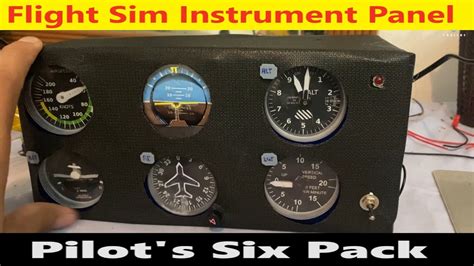
Practice holds, approaches, and clearance copying
-
Build muscle memory for procedural flows
-
Maintain recency while waiting for a CFII or DPE
Typical Completion Timelines by Scenario
Let’s examine realistic timelines based on flight frequency and preparation level:
-
Highly accelerated (6–10 days): For pilots with written passed and 15+ hours instrument experience
-
Moderate pace, 3x weekly (2–3 months): Common timeline for most dedicated students
-
Low frequency or scheduling issues (4–6 months): Often due to weather, DPE delays, or inconsistent training
-
Intermittent, part-time students (6–12+ months): Typical for college students or working professionals
Each case varies, but overall, proactive scheduling, consistent flying, and early written test completion are universal accelerators.
Challenges That Prolong Training
While many finish their instrument rating quickly, others face setbacks. These include:
-
Instructor availability: CFII instructors may take jobs elsewhere mid-training
-
Weather delays: IMC or stormy conditions can disrupt scheduling
-
Proficiency gaps: Missed lessons lead to skill degradation and retraining
-
Life events: Work and personal responsibilities interfere with consistency
One pilot shared:
“I started in May and finished in November. Work and CFII changes slowed things down, even though I was flying regularly at first.”
Pilots in Part 61 programs should plan for flexibility, patience, and contingency time in their schedules.
FAQs About Instrument Rating Duration
How long does it take to get an instrument rating under Part 61?
For most Part 61 students, the timeline ranges from 2 to 6 months, depending on training frequency, prior experience, and examiner availability. Flying three times per week, having the written test passed, and using a simulator can significantly reduce this timeframe.
Can I get my instrument rating in less than a month?
Yes, with accelerated programs, pilots who arrive prepared can complete their instrument training in as little as 6 to 10 days. These programs assume prior cross-country and hood time, and a passed FAA written exam.
What if my area has a DPE shortage?
If DPE availability is limited, you may wait several months after completing training to take your checkride. Book early, stay in touch with examiners, and continue flying with a CFII or safety pilot to maintain proficiency.