Understanding the Purpose of an Instrument Rating
For many aspiring aviators, earning an instrument rating is a critical step in broadening both their capabilities and aviation career prospects. Whether it’s to enhance safety, pursue commercial opportunities, or simply gain the confidence to fly in more complex airspace, the value of this certification cannot be overstated.
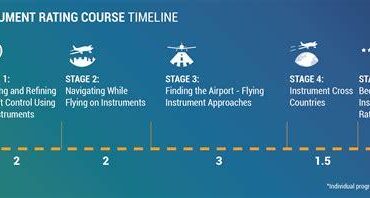
Pilots generally seek the instrument rating for one of three reasons: as a safety net in unexpected weather conditions, as a required milestone on the professional pilot pathway, or to maximize the efficiency of personal and business travel. These motivations ultimately influence the choice of training programs, from structured FAR Part 141 schools to accelerated immersion courses.
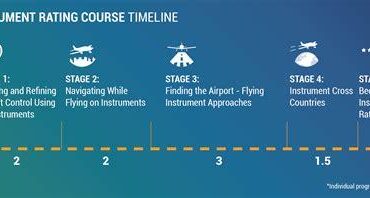
Each path offers distinct benefits. Structured institutions offer comprehensive and consistent training aligned with FAA regulations. Local instructors provide flexibility and one-on-one mentoring, while accelerated courses cater to those with time constraints, completing training in as few as 10–12 days. The key lies in aligning your personal learning style with the format that best supports long-term retention and proficiency.
Regulatory Foundation: 14 CFR 61.65 Explained
The Federal Aviation Administration (FAA) outlines the specific instrument rating requirements in 14 CFR 61.65, detailing both aeronautical experience and training prerequisites. To begin, a candidate must:
-
Hold at least a private pilot certificate or be concurrently applying for one.
-
Be proficient in English: read, write, speak, and understand the language.
These foundational requirements ensure the pilot has the necessary skills to begin instrument-specific training and communication in complex airspace environments.
Aeronautical Experience: Logging the Hours
The flight experience required for the rating reflects the complexity of Instrument Flight Rules (IFR) environments. Pilots must accumulate:
-
50 hours of cross-country flight time as Pilot in Command (PIC), including at least 10 hours in airplanes (for an instrument-airplane rating).
-
40 hours of actual or simulated instrument time, covering the FAA’s areas of operation listed in 61.65(c).
-
15 hours of instrument flight training from an authorized instructor specific to the aircraft category sought.
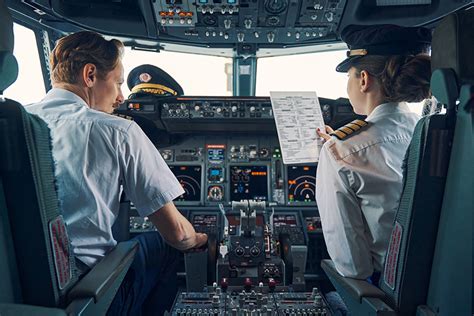
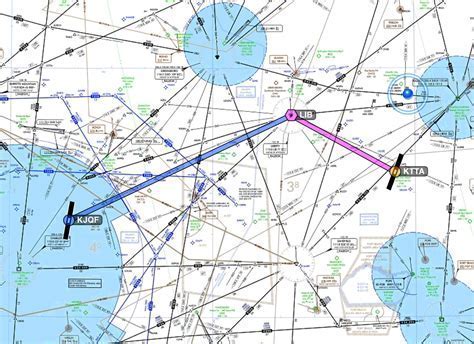
One particularly critical requirement is the instrument cross-country flight. This must be conducted under actual or simulated IFR and include:
-
A minimum distance of 250 nautical miles.
-
Routing via airways or ATC-directed paths.
-
An instrument approach at each airport.
-
Execution of three different types of instrument approaches, such as ILS, VOR, or GPS.
This ensures the pilot gains practical exposure to the diverse range of approach procedures encountered during real-world instrument flying.
Flight and Ground Training: Structuring Your Preparation
Beyond the logged hours, a robust flight training curriculum is necessary. This includes:
-
Instruction in an actual aircraft, flight simulator, or training device resembling the aircraft for which the rating is sought.
-
A logbook or training record endorsement certifying preparedness for the practical test.
Ground training is equally vital. Pilots must demonstrate proficiency in the knowledge areas outlined in 61.65(b), including:
-
Navigation systems and procedures
-
Air traffic control clearances
-
Weather interpretation and decision-making
-
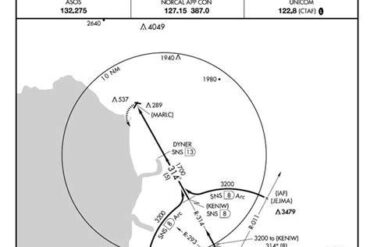
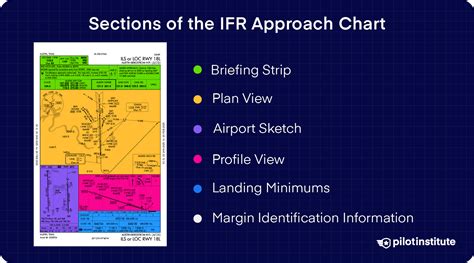
Instrument approach charts and departure procedures
This theoretical foundation is usually acquired via one-on-one instruction or self-paced home study programs, each culminating in an endorsement to sit for the FAA knowledge test.
Simulators and Aviation Training Devices (ATDs): Time-Saving Tools
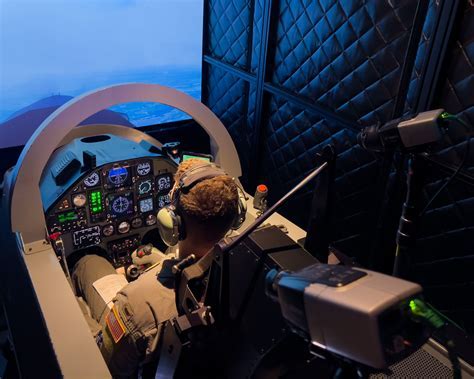
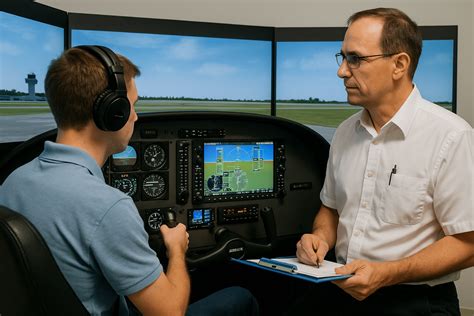
Modern training devices offer powerful advantages for instrument students. Under Part 142 accredited programs, a maximum of 30 hours can be logged in a flight simulator or flight training device (FTD). Without Part 142 alignment, the cap is 20 hours. Additionally, up to 10 hours can be logged using an aviation training device (ATD).
Simulators offer a cost-effective and efficient way to rehearse procedures such as:
-
Holding patterns
-
Missed approach sequences
-
Unusual attitude recoveries
-
IFR emergencies, including partial-panel operations
By integrating simulators, students can engage in repetitive scenario-based training that reinforces decision-making and situational awareness.
Preparing for the Checkride: Final Steps
A critical milestone is the instrument checkride, formally known as the Instrument Rating Practical Test. To qualify:
-
Pilots must receive at least 3 hours of instrument training within the two calendar months preceding the test.
-
A certified instructor must endorse the pilot’s logbook verifying test readiness.
The checkride itself includes both an oral exam and a flight portion, focusing on:
-
IFR enroute procedures
-
Approach setup and execution
-
Emergency operations
-
Compliance with ATC instructions
Passing the checkride validates not only the pilot’s technical capabilities but also their judgment and command presence under pressure.
The Role of the IFR Mindset: Beyond Technical Skills
Achieving proficiency in instrument flying is more than just ticking off hours. It demands a shift in mindset—one that prioritizes discipline, precision, and systems thinking. Pilots must develop the ability to:
-
Manage workload during high-density ATC communication
-
Interpret rapidly changing weather conditions
-
Maintain situational awareness in limited visibility
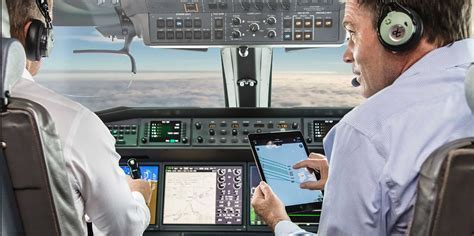
Weekly insights from AOPA’s “IFR Fix” series explore real-world IFR challenges, from partial-panel emergencies to weather deviations, reminding pilots that experience is continually shaped by post-certification learning.
Instrument Insights: Continuing the Journey
Even after earning the rating, true mastery comes through continuous refinement. The “Instrument Insights” series emphasizes that IFR flying is an evolving discipline. Topics such as nonprecision versus precision approaches, automation management, and IFR currency reinforce that a pilot’s learning never ceases.
Key to long-term success is recognizing that being legally current doesn’t always equate to being proficient. Pilots should regularly fly with safety pilots, engage in scenario-based simulator sessions, and re-evaluate decision-making under pressure.
Frequently Asked Questions (FAQ)
What are the minimum flight hours required for an instrument rating?
To qualify, you must log 50 hours of cross-country time as PIC, 40 hours of instrument time, and 15 hours of flight instruction specific to the rating. A 250-nautical mile IFR cross-country flight is also required.
Can I use a simulator to complete my instrument training?
Yes, up to 30 hours can be logged in a simulator under Part 142. Otherwise, the limit is 20 hours, plus an additional 10 hours in an ATD. Simulators are highly effective for procedures and emergencies training.
How long does it take to earn an instrument rating?
It depends on the training format. Accelerated courses can be completed in 10–12 days, while traditional part-time approaches may span several months, depending on schedule and consistency.