Flying under Instrument Flight Rules (IFR) is an essential skill for any serious pilot. Transitioning from visual flight rules (VFR) to IFR can be one of the most challenging yet rewarding phases of a pilot’s journey. IFR flying requires a solid understanding of aviation instruments, precise control of the aircraft, and a high level of focus on procedures and checklists. In this article, we will explore the fundamentals of IFR flying, common mistakes made by pilots, and how to build the skills and confidence needed to succeed in this demanding environment.
Understanding IFR: What Does it Really Mean?
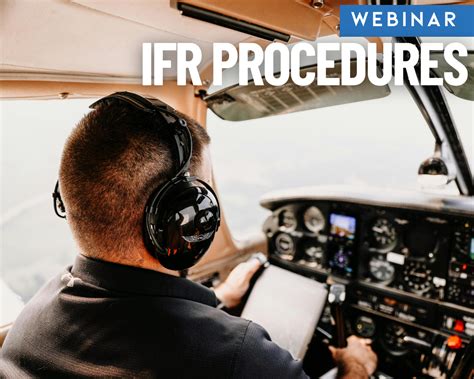
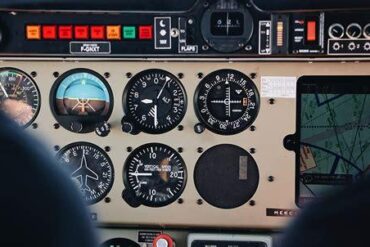
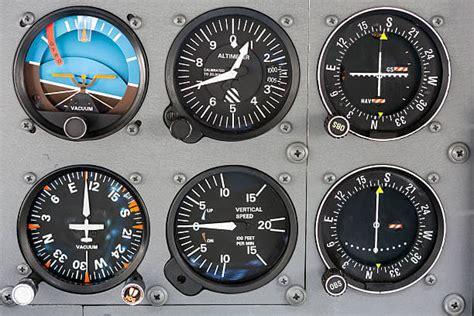
Instrument Flight Rules, commonly referred to as IFR, are a set of regulations under which a pilot operates an aircraft in weather conditions that do not allow for visual reference. These rules govern the flight of aircraft in controlled airspace and guide pilots through cloud cover, fog, rain, and other low-visibility situations. Unlike VFR flying, where pilots navigate using visual references like landmarks and the horizon, IFR flying relies solely on instruments such as the artificial horizon, altimeter, and other onboard navigation systems to maintain control and orientation.
The Challenges of Transitioning from VFR to IFR
For pilots who are accustomed to flying under VFR, transitioning to IFR can be a significant challenge. VFR flying is often seen as more intuitive because it relies on visual cues. However, IFR flying requires pilots to trust their instruments and adhere to precise procedures without the help of the external environment.
One of the biggest obstacles in this transition is learning how to use avionics systems, especially in newer aircraft models. Pilots who are used to older, more basic aircraft such as the 1967 Skyhawk may find the newer avionics systems in aircraft like the G1K Archer overwhelming at first. This shift can lead to frustration and mistakes during initial training flights, as pilots struggle to master the aircraft’s systems and instruments.
Mastering the Basics: Building a Strong Foundation
To be successful in IFR flying, it is essential to first master basic attitude instrument flying before progressing to more complex tasks such as approaches and precision maneuvers. Pilots should focus on learning to maintain altitude, heading, and turns under the hood before tackling more advanced techniques. This foundation is critical for building muscle memory and confidence in the cockpit.
Repetition is Key: Using Simulators for Practice
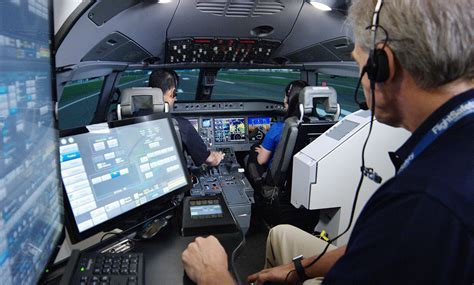
One effective way to build confidence and proficiency in IFR flying is by using flight simulators. Flight simulators offer a risk-free environment in which pilots can practice their instrument flying skills without the stress of real-world consequences. Simulators also allow pilots to get familiar with different avionics setups and flight scenarios that they may not encounter during regular training flights.
By using a simulator, pilots can practice basic skills such as maintaining straight and level flight, executing turns, and flying in various weather conditions. As a result, they can build the mental and physical skills needed to handle the complexity of real-world IFR operations.
Small Tasks Lead to Big Success
As with any skill, IFR flying is best learned through small, incremental steps. Trying to jump into complex maneuvers or approaches too early can lead to mistakes and frustration. It is important to take your time and focus on mastering one task at a time. By breaking down the process of flying IFR into manageable steps, pilots can build confidence and competence without feeling overwhelmed.
During the early stages of IFR training, pilots should focus on simple tasks like basic attitude flying and navigating using primary instruments. Once these skills are mastered, they can gradually add complexity by practicing more advanced maneuvers such as holding patterns, approaches, and circling procedures.
The Role of Confidence in IFR Flying
Confidence is a key component of successful IFR flying. The ability to trust in your instruments and your training is essential for making sound decisions under pressure. Many pilots report that their initial IFR flights were filled with uncertainty, often resulting in mistakes due to lack of confidence.
The key to overcoming this is repetition. The more frequently you practice IFR flying, the more comfortable you will become with the aircraft’s systems and your ability to control the aircraft in challenging conditions. Each flight is an opportunity to build your skills and boost your confidence. With time, these skills will become second nature, allowing you to approach IFR flights with a calm, assured mindset.
Avoiding Common Mistakes in IFR Flight
Mistakes are a natural part of the learning process, especially when transitioning to IFR flying. However, some mistakes can be avoided with careful preparation and a structured approach to training. Below are some of the most common errors pilots make when learning to fly under IFR and tips on how to avoid them:
- Overloading the Mind: Trying to master too many skills at once can be overwhelming. Focus on mastering one task before moving on to more complex maneuvers.
- Failure to Cross-Check Instruments: One of the most important aspects of IFR flying is cross-checking your instruments to ensure that all readings are consistent. Pilots often make mistakes when they fail to properly cross-check their instruments.
- Rushing into Approaches: It can be tempting to jump straight into precision approaches, but mastering the basics is crucial. Take your time and avoid rushing into complex procedures.
By avoiding these common pitfalls and taking a methodical approach to training, pilots can increase their chances of success in IFR flight.
The Importance of Familiarity with Avionics
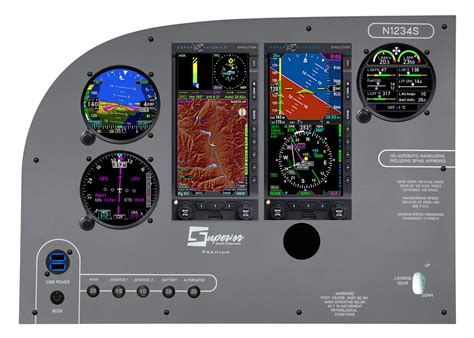
A common frustration for pilots new to IFR flying is the unfamiliarity with modern avionics systems. Many pilots transitioning from older aircraft, such as the 1967 Skyhawk, may find it challenging to navigate the more sophisticated avionics in newer aircraft like the G1K Archer.
Becoming familiar with the aircraft’s avionics is essential for success in IFR operations. Pilots should spend time learning the layout and function of the instruments and controls. In particular, focus on the GPS, autopilot systems, and navigation radios, as these are crucial for effective IFR flight.
Consistency and Practice: The Path to Mastery
Consistency is crucial when learning to fly under IFR. The more regularly you practice, the more proficient you will become. Even on days when the weather does not permit real-world IFR flight, practicing in a simulator or on the ground by reviewing procedures and checklists can help maintain your skills.
Regular practice also helps to build muscle memory, which is essential for executing complex maneuvers under pressure. As you become more consistent in your training, your confidence will grow, and you will begin to approach each flight with a greater sense of calm and control.
Conclusion: Success in IFR Flying is Within Reach
While the journey to mastering IFR flying can be long and challenging, it is entirely achievable with dedication, patience, and the right approach. Start with the basics, practice regularly, and avoid the temptation to rush through complex procedures too quickly. Build your confidence step by step, and use simulators and repetition to hone your skills. With time and persistence, IFR flying will become a natural and reliable skill, opening up new horizons for your flying career. The key to success lies in taking the time to master the fundamentals, learning from your mistakes, and building a strong foundation of knowledge and experience.