Instrument Meteorological Conditions (IMC) play a critical role in the safety and regulation of modern aviation. Understanding IMC is not merely academic; it is essential for pilots, air traffic controllers, and aviation stakeholders to navigate safely through the skies when visibility is compromised.
Understanding IMC in Aviation
Instrument Meteorological Conditions (IMC) refer to weather conditions that fall below the minimum thresholds established for Visual Meteorological Conditions (VMC). In IMC, pilots must rely entirely on their flight instruments rather than visual cues to control the aircraft. These conditions include low clouds, fog, heavy precipitation, and dust storms, fundamentally altering how an aircraft must be operated.
The International Civil Aviation Organization (ICAO) formally defines IMC as any situation where visibility, cloud clearance, and ceiling conditions are below the prescribed limits for VMC. Thus, IMC is not subjective; it is strictly defined based on specific, measurable meteorological parameters.
When a pilot encounters IMC, Instrument Flight Rules (IFR) must be employed. These rules, unlike Visual Flight Rules (VFR), are structured and meticulously controlled, requiring continuous coordination with Air Traffic Control (ATC). IFR ensures that aircraft maintain proper separation, preventing collisions even when pilots cannot see each other.
Defining VMC Versus IMC: Key Differences
The distinction between VMC and IMC hinges on visibility and cloud separation requirements. ICAO’s Annex 2 outlines VMC criteria based on altitude and airspace class. To summarize the essential thresholds:
- At or above 10,000 feet AMSL: 8 km visibility, 1,500 meters horizontal cloud clearance, and 300 meters vertical.
- Below 10,000 feet but above 3,000 feet AMSL: 5 km visibility, same cloud clearances.
- Below 3,000 feet AMSL: 5 km visibility in controlled airspace; in uncontrolled (Class F and G), clear of clouds with terrain in sight.
When meteorological conditions dip below these minima, flights are considered under IMC, requiring the adoption of IFR.
Flying in IMC: Skills, Certification, and Procedures
Operating an aircraft under IMC demands specialized training and certification. Pilots must obtain an Instrument Rating (IR), a credential that certifies their ability to fly safely using only instruments. Acquiring an IR involves rigorous instruction covering areas such as attitude instrument flying, instrument navigation, and IFR regulations.
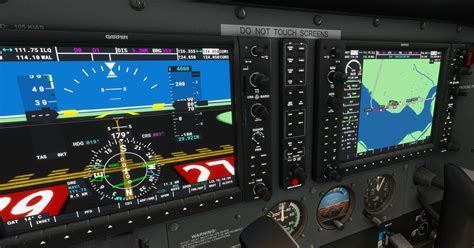
Once certified, pilots must maintain currency, meaning they must periodically demonstrate their IFR proficiency. According to the Federal Aviation Administration (FAA), to stay current, a pilot must, within the preceding six months, log:
- Six instrument approaches
- Holding procedures and tasks
- Intercepting and tracking using NAVAIDs
Failure to maintain currency requires undergoing an Instrument Proficiency Check (IPC) with a certified instructor.
Aircraft Requirements for IMC Operations
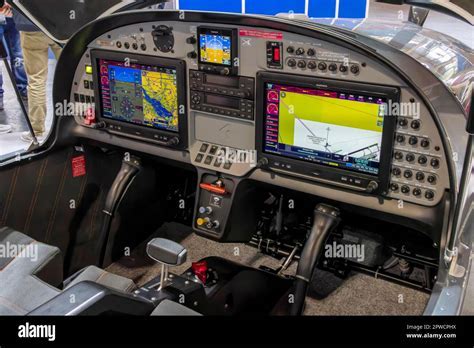
Flying in IMC conditions is not solely dependent on the pilot’s skills; the aircraft itself must meet stringent equipment standards. Under FAR 91.205, aircraft operating under IFR must be equipped with:
- Attitude Indicator
- Heading Indicator
- Gyroscopic Rate of Turn Indicator
- Slip-Skid Indicator
- Adjustable Pressure Altimeter
- Clock displaying hours, minutes, and seconds
- Two-way radio communications equipment
- Adequate navigation equipment
- Power supply (generator or alternator)
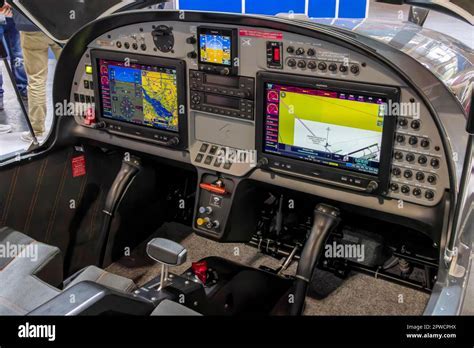
The required navigation equipment depends on the nature of the intended route. For example, GPS-certified routes require appropriate GPS receivers, while routes relying on VOR stations necessitate VOR receivers. Flexibility is granted, but adequacy must always be ensured.
IFR Flight Planning and Filing Requirements
Before embarking on a flight in IMC, pilots must file an IFR flight plan. Unlike VFR operations, where a flight plan is often optional, IFR flight plans are mandatory and critical for ATC coordination. Key elements of an ICAO-standard IFR flight plan include:
- Type of flight (IFR)
- Aircraft identification and call sign
- Aircraft type and equipment
- True airspeed
- Departure point and time
- Cruising altitude
- Detailed routing
- Destination and estimated time en route
- Fuel endurance
- Alternate airports
- Number of souls on board
- Aircraft color and markings
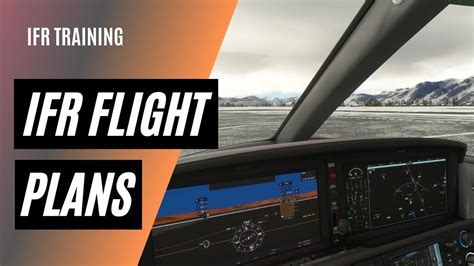
Submitting this information enables ATC to manage airspace usage efficiently, ensure traffic separation, and respond appropriately to emergencies. For instance, knowing fuel endurance is vital in organizing search and rescue operations should communication be lost.
Managing the Challenges of IMC Flight
Flying under IMC conditions introduces a unique set of psychological and physical challenges. Without external visual references, pilots are susceptible to spatial disorientation, a phenomenon where the inner ear sends false signals to the brain, misleading the pilot about the aircraft’s attitude and motion.
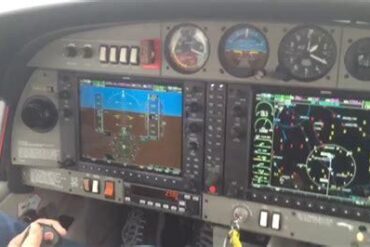
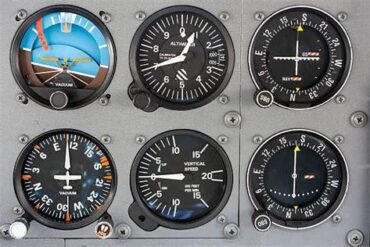
Instrument flying demands a steadfast focus on the “six-pack” of primary flight instruments, involving constant cross-checking and interpretation. Pilots must resist the deceptive instincts and trust their instruments entirely, a mental discipline developed only through extensive training and experience.
Moreover, IMC flights often involve encountering turbulence, icing conditions, and rapidly changing weather patterns. Pilots must understand meteorological trends and forecasts deeply, as even a short period of unpreparedness can escalate into critical situations.
Role of ATC and Airspace Management During IMC Flights
In IMC, Air Traffic Control becomes the pilot’s extended set of eyes and ears. Controllers provide headings, altitudes, and vectors to maintain safe separation between aircraft, particularly in congested airspace. Controlled airspace classes—A through E—are meticulously designed to facilitate IFR operations.
Additionally, ATC manages altitude assignments to adhere to vertical separation minima, typically 1,000 feet between IFR flights below FL290 and 2,000 feet above. In busy sectors, procedural approaches and holding patterns are used to sequence traffic safely.
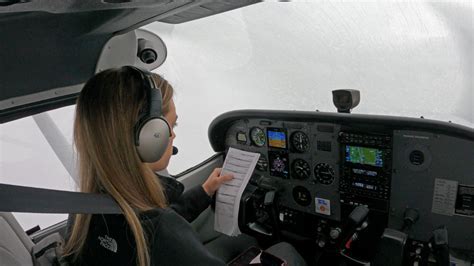
Controllers also issue alternate routing instructions if the original flight path becomes hazardous due to weather or traffic conflicts. Flexibility and clear communication are paramount for maintaining order in the invisible highways of the sky.
Conclusion: IMC’s Integral Role in Aviation Safety
Understanding and mastering Instrument Meteorological Conditions is non-negotiable for professional aviators. IMC flight operations symbolize the aviation industry’s dedication to safety, discipline, and precision. By leveraging advanced aircraft instrumentation, rigorous pilot training, and comprehensive ATC oversight, modern aviation transforms even the most challenging meteorological conditions into manageable environments.
IMC does not merely present obstacles; it underscores the sophistication and resilience of contemporary aviation systems, ensuring that air travel remains one of the safest forms of transportation worldwide.