Understanding the Instrument Pilot Checkride
For aspiring instrument-rated pilots, the instrument pilot checkride is the definitive test of precision, preparation, and in-depth understanding of flight under Instrument Flight Rules (IFR). It assesses not only technical proficiency but also risk management, system knowledge, and regulatory understanding. Compared to the Private Pilot License (PPL) checkride, the instrument checkride demands a far more integrated demonstration of aeronautical decision-making and procedural execution.
The checkride is governed by the FAA’s Airman Certification Standards (ACS), which outlines every task a pilot must master. It typically comprises two main segments: the oral examination and the practical (flight) test. Candidates must exhibit an exceptional command of instrument navigation, approach procedures, lost communication protocols, and risk assessment strategies.
The Oral Examination: Demonstrating Your IFR Knowledge
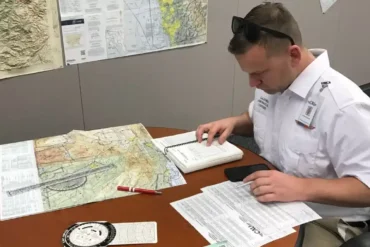
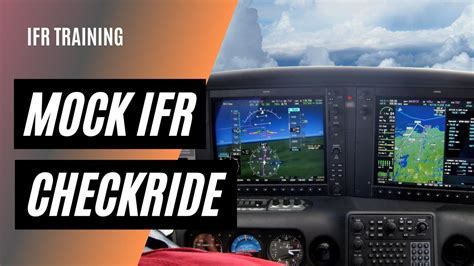
The oral portion of the checkride usually lasts between 1.5 to 2 hours and focuses on scenario-based questioning. The Designated Pilot Examiner (DPE) will evaluate your understanding of IFR operations through a detailed preflight briefing and flight planning session.
Key components include:
-
Weather analysis: METARs, TAFs, AIRMETs, SIGMETs, and surface analysis interpretation.
-
IFR cross-country flight planning: Calculations for fuel, alternate requirements, and en route weather.
-
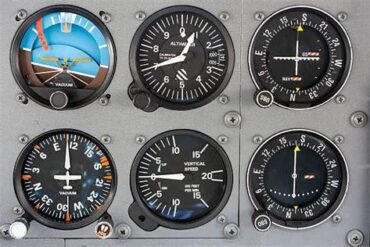
Aircraft systems: Navigation equipment, pitot-static system, gyros, de-ice/anti-ice systems, and autopilot functionality.
-
Regulations: FAR Part 91 IFR-specific rules, especially those related to alternate minimums, fuel requirements, and lost comms.
-
Risk management: The DPE may pose real-time weather scenarios or equipment failure discussions to test decision-making under pressure.
Flight Test: A Precision-Based Evaluation
The practical portion mirrors a well-structured IFR flight, typically around 1.5 to 2.0 hours of airborne time. Unlike the PPL checkride, which focuses on individual maneuvers, the instrument checkride demands seamless procedural execution with minimal margin for deviation. The DPE evaluates your ability to manage workload, adhere to approach minimums, and maintain situational awareness.
A typical flight profile includes:
-
Departure procedure from a towered airport or standard IFR departure clearance.
-
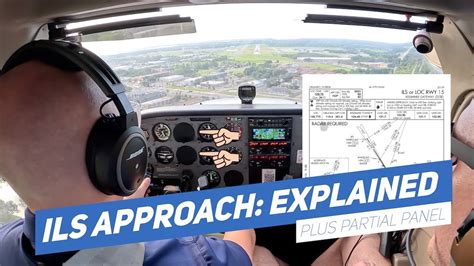
Three instrument approaches, including:
-
An ILS or LPV approach to precision minimums.
-
A non-precision approach (e.g., VOR, LNAV, or LOC) often flown partial panel.
-
One circle-to-land approach, typically from a non-precision method.
-
Holding procedure, either en route or during a missed approach.
-
Unusual attitude recoveries: under the hood, with and without gyros.
-
Missed approach execution: must be flown as published and briefed.
-
Use of autopilot, if equipped, to show workload management and configuration transitions.
Unusual Attitudes and Emergency Preparedness
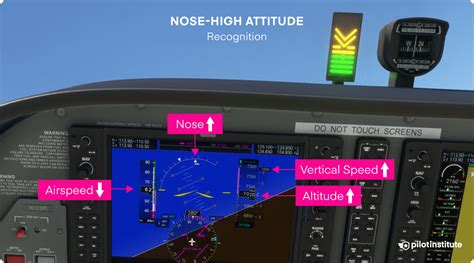
One of the most stress-inducing moments in the checkride is the unusual attitude recovery, where the examiner induces disorientation by having the applicant close their eyes while maneuvering the aircraft. On command, the pilot opens their eyes to find the aircraft in a steep climb or dive with gyros covered and must recover using partial panel techniques.
This part of the checkride gauges:
-
Aircraft control during disorientation
-
Familiarity with primary backup instruments
-
Smooth and timely recovery techniques
Partial Panel Performance and Lost Comms
One approach will require partial panel flying, where the attitude indicator and heading indicator are covered. This simulates vacuum system failure or electronic instrument failure in a glass cockpit. Applicants must rely solely on the turn coordinator, altimeter, airspeed, and vertical speed indicators to fly the approach.
Additionally, every DPE will test knowledge of lost communications procedures, especially under IMC conditions. You must demonstrate:
-
The use of AVEF (Assigned, Vectored, Expected, Filed) route logic
-
Altitude compliance using MEA, expected, and assigned altitudes
-
Timely reporting upon regaining communication or transitioning to VFR
Realistic ATC Simulation and Verbal Discipline
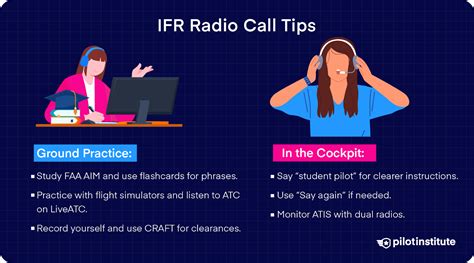
Many examiners role-play as air traffic controllers during the flight test, requiring the applicant to simulate radio calls at appropriate intervals. This includes clearance readbacks, position reports, going missed, and entering holds. Communication discipline is key: answer only what is asked, and elaborate only when prompted.
Training Hour Requirements vs Readiness
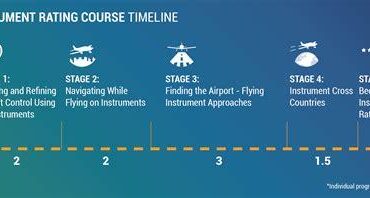
Although the FAA mandates 40 hours of instrument training, many candidates reach proficiency well beyond this minimum. Based on real-world pilot accounts, the average time to readiness is closer to 50–60 hours, often involving:
-
30–35 hours of simulated instrument time
-
10–20 hours in an Advanced Aviation Training Device (AATD)
-
Numerous cross-country IFR flights to develop route planning proficiency
Pilots who complete their training within shorter calendar timelines — such as under 2 months — often demonstrate more effective skill retention and procedural fluidity than those who spread their training across a year.
Common Mistakes and DPE Red Flags
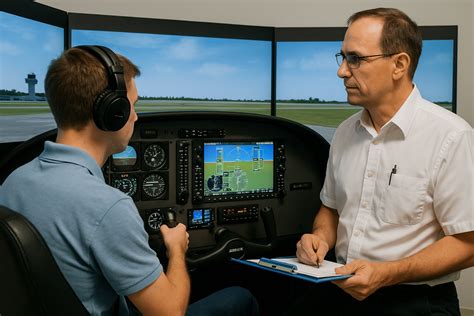
During the checkride, even small procedural mistakes can accumulate. DPEs pay close attention to:
-
Incomplete or inaccurate approach briefings
-
Late transitions from en route to approach phases
-
Missing altitude step-down fixes
-
Over-controlling during unusual attitude recovery
-
Poor lost comms logic or regulatory confusion
Remember, consistency and stabilized approach profiles matter more than perfection. Always brief each leg, anticipate changes, and maintain a mental model of your flight.
Preparation Resources That Make a Difference
Highly recommended resources for candidates include:
-
Seth Lake (BeechDude): DPE and instructor with detailed IFR checkride walkthroughs
-
Todd Shellnutt & Jason Miller (Finer Points): Video briefings and real-world instrument scenarios
-
Aviation News Talk Podcast: Mock IFR checkride with Jason Blair (Episode #129)
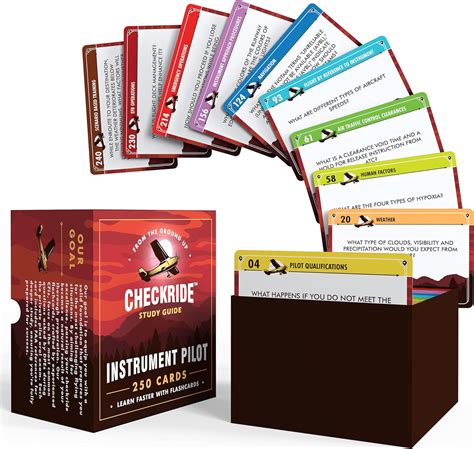
These resources simulate realistic examiner expectations and reinforce practical scenario-based IFR thinking.
Post-Checkride Confidence and Certification
Once the checkride concludes with a successful flight and debrief, you’ll receive your Temporary Airman Certificate with the instrument rating added. This opens the door to flight in IMC, greater dispatch reliability, and the next step in professional aviation careers.
For most pilots, the IFR rating marks a transformational point — where technical flying meets the discipline of procedural aviation. It separates hobbyists from aeronautical professionals, and it’s a certification earned only through rigorous preparation and focused execution.
Frequently Asked Questions (FAQ)
How long does the instrument pilot checkride take?
The entire checkride generally lasts between 3.5 to 5 hours, including a 1.5–2 hour oral exam and 1.5–2 hour flight. Duration varies depending on examiner preferences and scenario complexity.
How many instrument approaches must I fly during the checkride?
You will fly at least three instrument approaches, one of which must be partial panel, and one often includes a circle-to-land component. A missed approach and a holding procedure are also required.
Can I use an autopilot during the checkride?
Yes, if your aircraft is equipped. However, the examiner will expect you to demonstrate manual control proficiency as well. One approach may be flown using autopilot to evaluate workload management and system knowledge.