The commercial pilot checkride is not just a test of skills; it’s a culmination of years of flight experience, self-discipline, and mental endurance. For any aspiring professional aviator, the checkride represents a pivotal threshold—bridging private passion with career commitment. In this detailed account, we explore the entirety of a real-world checkride, from oral questioning to final rollout, providing valuable insights, techniques, and tips through the lens of one pilot’s carefully prepared and well-earned success.
Preparation and Planning: Setting the Stage for Success
Our candidate, an instrument-rated pilot since 2014, had long postponed commercial training due to financial constraints. Despite the delay, he remained current on aviation fundamentals, engaging in periodic reviews and hands-on practice with a firm yet informal instructor. Instead of opting for a ground school, he leveraged an online course to prepare for the FAA written exam, integrating self-paced study with maneuver refreshers.
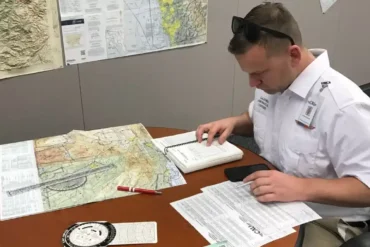
His examiner, a relaxed yet methodical DPE, was handpicked to reduce checkride tension. Once IACRA submission issues were ironed out—a glitch related to his birth city caused a 45-minute delay—the stage was set. With aircraft and flight plan already prepared, the candidate was ready for the first major hurdle: the oral.
The Oral Exam: Professional Knowledge and Calm Confidence
The oral portion began informally, with the DPE focusing on real-world understanding over rote memory. Topics included:
- “Holding Out” and the fine lines that define commercial operation legality
- Center of gravity (CG), aircraft stability, and its effect on maneuvering
- Currency and airworthiness, as they apply to day-to-day commercial operations
- FAR Part 91 equipment requirements, including supplemental oxygen and inoperative components
- Airworthiness Directives (ADs), and determining compliance via maintenance logs
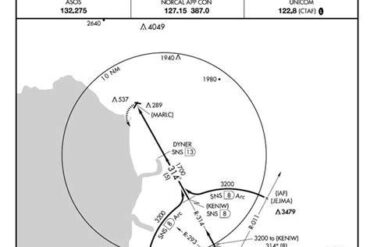
For the cross-country planning, the candidate was tasked with flying from KMDD (Midland Airpark) to KLRU (Las Cruces International Airport). He intelligently selected a route along a Victor airway, strategically avoiding both restricted airspace and significant terrain. His departure strategy involved negotiating Class C airspace with a 270° turn to ensure clearance under the overlying shelf—a subtle but wise choice reflecting spatial awareness.
A weather briefing and NOTAM analysis followed, demonstrating comprehensive preflight decision-making. The DPE seemed satisfied and transitioned to the flight.
Flight Phase One: Takeoff, Systems Emergency, and Real-Time CRM
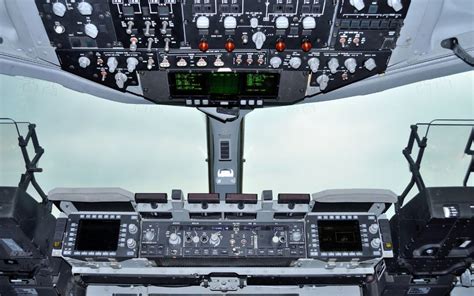
The flight began with a standard departure behind a Skylane, climbing to 6,500 feet. During climb-out, the autopilot failed twice, an event that would rattle many pilots. The situation escalated when a low-voltage alert illuminated, prompting the DPE to declare an emergency.
The candidate immediately shed electrical load, cycled the alternator, and calmly evaluated his diversion options. Despite the stress, he maintained CRM discipline, narrating his actions and planning a precautionary landing. Ultimately, the system stabilized, and they continued.
Airwork Maneuvers: Precision Under Pressure
Chandelles came first. The left-turn rollout was too abrupt, lacking the smooth finesse expected, but the right-side recovery showed improvement, suggesting coachable performance.
Next came slow flight and power-on/power-off stalls. The candidate maintained altitude during turns in slow flight and executed stalls to the horn without buffet—a technique increasingly acceptable under new standards. A surprise accelerated stall demonstrated under duress followed, pushing aircraft dynamics with an 80° banked turn expertly flown by the examiner.
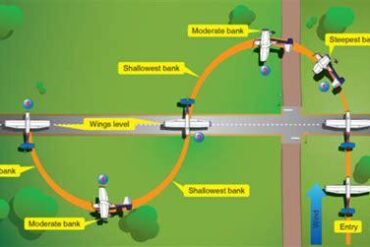
Lazy Eights required some reclarification, as the pilot initially misunderstood the expectations. Once corrected, he performed them with prolonged, smooth transitions, staying within altitude and heading tolerances.
Steep turns highlighted asymmetry—he lost 60 feet on a 55° left roll, then cleaned it up with a tighter 45°–50° right turn, holding parameters within PTS limits.
Simulated Emergencies and Pylon Work: Eyes Outside, Brain Ahead
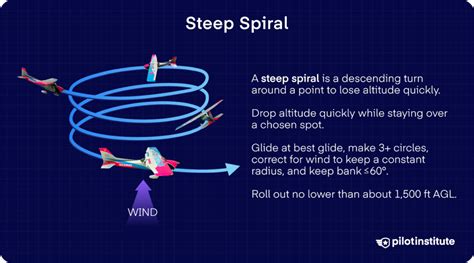
The steep spiral was introduced via simulated engine failure. The candidate chose a dry lakebed for the emergency descent, eventually redirected toward it by the DPE for better visibility. Maintaining a consistent 45° bank angle, he adjusted for wind drift and outlined a pattern correction before reaching his landing point.
Eights on Pylons, the defining maneuver of the commercial checkride, went well. Using two oil pumps as pylon references, he turned tight on the first but nailed the second. Recognizing precision and awareness, the examiner cut the maneuver short, a subtle compliment to well-executed performance.
Navigation and Landings: Judgment, Airmanship, and Finesse
On return, the GPS failed—a valuable test of VFR navigation skills. The candidate identified a distinctive water tower, confirmed position, and executed a long straight-in approach using pilotage.
- Normal landing: Full-stop and taxi, textbook performance.
- Short-field takeoff: Flaps deployed, obstacle cleared by a narrow margin.
- Soft-field landing and takeoff: Demonstrated gentle control and smooth ground effect transition.
- Power-off 180: First attempt was too high, prompting a well-judged go-around. On the second try, he executed slips to lose altitude, landing within 50 feet of the target.
- Final short-field landing: With simulated maximum braking, he used actual heavy braking to safely exit quickly—a small but realistic demonstration of performance-based control.
Each phase reinforced the candidate’s ability to apply training under stress, adapt to conditions, and maintain professionalism from takeoff to rollout.
Post-Flight Debrief: Reflection and Relief
The taxi-in was casual, allowing the candidate a moment to decompress. The DPE offered constructive praise, noting his aeronautical decision-making, judgment, and calm under pressure. The debrief was short, focused mostly on the earlier autopilot issue and the candidate’s assertive problem-solving throughout.
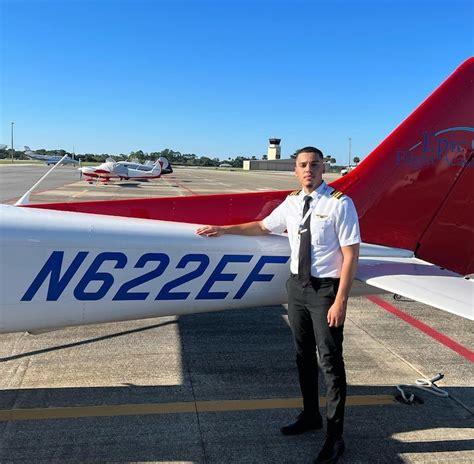
Relief was palpable. The checkride had demanded every ounce of his attention and energy—but it was over. After years of preparation, delays, and dedication, he had earned his commercial certificate, ready to open new chapters in professional aviation.
Conclusion: What This Checkride Teaches Every Commercial Candidate
This real-world journey offers a detailed look at what the FAA commercial pilot checkride truly entails—not just the tasks, but the mindset. It’s not about perfection; it’s about competence, professionalism, and adaptability. From oral prep to steep spirals, each phase tests readiness for commercial responsibility.
For candidates preparing for their own checkrides, we recommend:
- Know your aircraft and systems deeply—troubleshooting counts.
- Practice maneuvers with context, not just by rote.
- Stay ahead of the airplane mentally; examiners notice proactive thinking.
- Use real navigation references—don’t depend on GPS.
- Communicate calmly under stress, especially during simulated emergencies.
This checkride was not a checklist exercise—it was a dynamic, living test of true aviation professionalism. And it ended, as all good flights do, with wheels on the ground and a clear path forward.