To become a proficient commercial pilot, mastering a range of commercial pilot license maneuvers is essential. These maneuvers are not only crucial for passing the checkride but also for demonstrating the skills necessary to handle a wide variety of flight situations, ensuring the safety and reliability of the aircraft and crew. In this guide, we will break down these maneuvers in detail, from basic principles to advanced techniques, providing a thorough understanding of each element you need to perfect in your journey toward earning your Commercial Pilot License (CPL).
The Importance of Commercial Pilot Maneuvers
A commercial pilot is expected to demonstrate exceptional control of the aircraft, particularly in high-stress or unusual flight situations. The maneuvers required for the commercial pilot license are designed to assess a pilot’s proficiency in controlling the aircraft, managing its energy, and responding effectively to a range of emergency scenarios. These maneuvers require skillful coordination, precise timing, and a deep understanding of how the aircraft reacts in various conditions.
The commercial pilot license maneuvers are also a means to demonstrate to examiners that you have the ability to handle more complex flight situations, such as emergency landings, abnormal flight attitudes, and performance maneuvers. A thorough understanding of these maneuvers will not only help you pass your checkride but will also be invaluable when you’re flying solo in real-world scenarios.
Starting with Basic Skills: Steep Turns, Stalls, and Landings
Before diving into the more complex maneuvers required for the CPL, you must have a solid foundation in basic flight skills. As a commercial pilot, your control over the aircraft must be second nature, which means refining the PPL maneuvers (Private Pilot License) to meet commercial standards.
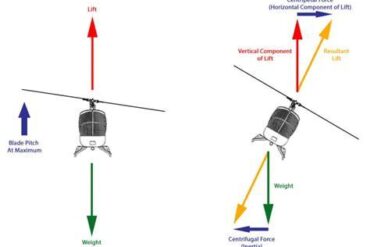
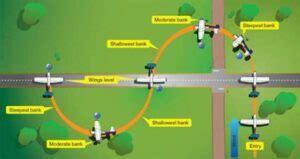
Steep Turns are a crucial starting point. These are done at a steep bank angle—typically 45 degrees—and test a pilot’s ability to maintain altitude, speed, and coordination. These maneuvers are foundational because they require strong aircraft control and precise attention to attitude and power management.
Stalls are another critical element that all commercial pilots must master. While the Private Pilot License stall training teaches you to recover from a stall at a particular altitude, the Commercial Pilot License maneuvers require a more advanced level of stall proficiency. According to the Airman Certification Standards (ACS), recovery should occur at the first indication of a stall or once a full stall has been reached, depending on the examiner’s preference. A full stall recovery is important for safety reasons, as it ensures that you can handle the aircraft when it is at its most unstable. You will also be required to perform accelerated stalls, which are typically done to the first indication—a vital skill for high-speed flight conditions.
The ability to land safely is at the heart of pilot skills, and as a commercial pilot, you’ll need to demonstrate precise control during every landing. While the basic skills learned during the PPL stage are sufficient, commercial pilots must perform landings with greater precision and consistency, ensuring proper alignment, smoothness, and control throughout the approach and landing phases.
Advanced Maneuvers: Power-Off 180s and Energy Management
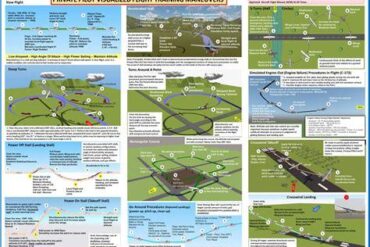
One of the most challenging maneuvers for commercial pilots is the Power-Off 180-degree landing. This maneuver simulates an engine failure during flight, requiring the pilot to glide the aircraft to a specific landing spot. Pilots must perform this maneuver in various wind conditions, ensuring they maintain the correct glide path, airspeed, and approach angle. During training, pilots must practice this maneuver repeatedly until they can consistently perform it with precision.
The key to executing this maneuver successfully lies in the energy management—understanding how to manipulate the aircraft’s energy (in the form of altitude and airspeed) to reach the desired landing point. The Power-Off 180-degree maneuver also highlights the importance of maintaining situational awareness and making quick decisions under pressure. Remember, many examiners allow a go-around during this maneuver, but it’s important to confirm this with your examiner before starting, as expectations may vary.
Complex Commercial Maneuvers: Chandelles, Lazy Eights, and Eights on Pylons
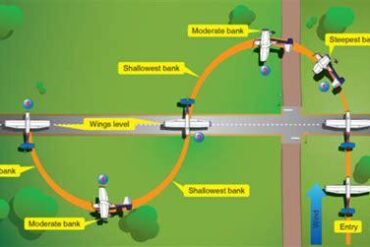
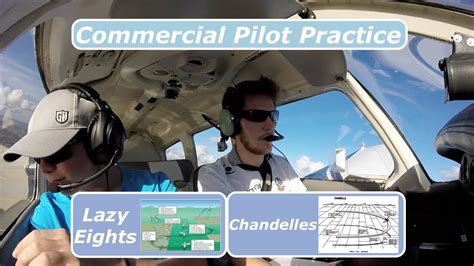
As you progress to more advanced commercial pilot maneuvers, the next step is to practice Chandelles and Lazy Eights. These maneuvers, designed to test the pilot’s ability to manage aircraft energy, involve smooth and coordinated turns while maintaining precise control over speed and altitude.
The Chandelle is a maneuver in which the pilot makes a 180-degree turn while gradually increasing the angle of bank and pitch. This requires careful energy management, as the aircraft’s performance changes during the turn. Lazy Eights, on the other hand, involve smooth, symmetrical, and continuous 180-degree turns in opposite directions, where the pilot must manage altitude, bank angle, and airspeed throughout the entire maneuver.
For these maneuvers, precision is essential—maintaining consistent altitude changes, staying on the proper heading, and controlling the aircraft’s energy throughout the turn. It’s best to practice these maneuvers in a cycle to build muscle memory, switching between Lazy Eights, Chandelles, and Eights on Pylons to create a rhythm that will help reinforce your understanding of energy management.
Mastering Energy Management and Division of Attention
One of the main purposes of commercial maneuvers is to enhance a pilot’s ability to manage energy and attention effectively. These skills are essential for handling the demands of flying a complex aircraft in various conditions. Unlike Private Pilot maneuvers, which focus primarily on basic flight controls, commercial maneuvers are designed to stretch a pilot’s abilities to use the aircraft’s energy to maximum effect.
During commercial flight training, you will be expected to demonstrate division of attention, meaning you should be able to manage the aircraft’s performance while staying alert to environmental conditions such as wind, weather, and traffic. For example, while performing a steep spiral, you must maintain awareness of your altitude, airspeed, and heading while also planning for the transition to the next maneuver.
Emergency Descents and Steep Spirals
Another advanced maneuver you’ll need to master is the Steep Spiral. This maneuver simulates an emergency descent, requiring the pilot to descend rapidly while maintaining control of the aircraft’s speed, altitude, and bank angle. The goal of this maneuver is to quickly descend to a safe altitude, often in response to an emergency such as an engine failure or other critical situation.
The Steep Spiral is typically performed around a point on the ground, with the pilot making continuous 360-degree turns as they descend. The challenge here lies in managing the descent rate, maintaining coordination, and adjusting your turn radius to ensure a smooth and safe transition to the next phase of the flight.
Final Considerations: Training, Practice, and Examiners’ Expectations
Finally, it’s essential to discuss the role of the CFI (Certified Flight Instructor) in guiding you through these maneuvers. While you can practice these maneuvers independently, having a skilled instructor by your side will ensure you stay on track and learn the correct techniques. A CFI can help you refine your execution and provide valuable feedback during practice flights.
Before your checkride, it’s crucial to communicate clearly with your examiner about their expectations for each maneuver. Some examiners may have specific preferences for stall recovery, go-arounds during Power-Off 180s, or other maneuvers. Understanding these preferences beforehand can help reduce any stress during the checkride.
Be sure to practice maneuvers in different weather conditions and altitudes, as real-world flying often requires adaptability. Whether performing steep turns or emergency landings, maintaining flexibility and preparedness will make a world of difference when it matters most.
In conclusion, mastering the commercial pilot license maneuvers requires dedication, practice, and a thorough understanding of the aircraft’s performance characteristics. By honing these maneuvers, you’ll not only pass your checkride but also be well-prepared for the challenges and responsibilities that come with flying commercially.