Introduction to Commercial Pilot Salaries
In the world of aviation, commercial pilots—those who operate aircraft for airlines—are among the highest-paid professionals. Their salaries reflect the level of expertise, training, and responsibility required to ensure the safety and comfort of passengers. The salary of a commercial pilot in 2025 is influenced by numerous factors, including experience, airline type, geographical location, and even the type of aircraft flown. This article aims to provide a detailed and comprehensive overview of commercial pilot salaries for the year 2025, considering recent trends, industry reports, and the evolving landscape of aviation.
Overview of Commercial Pilot Salaries in 2025
Commercial pilots can expect a competitive salary, with recent reports indicating an upward trend due to the pilot shortage and growing demand for air travel. In 2025, the salary for airline pilots is generally expected to range from $225,000 to $250,000 annually. However, this range can vary significantly based on the pilot’s experience, the airline they work for, and the type of aircraft they operate.
While it is common to see salaries in the six-figure range, some commercial pilots—particularly captains at major airlines—can earn up to $400,000 per year. Conversely, new pilots or first officers may start with a salary closer to $100,000 annually. Understanding these variations is essential to grasp the potential earning power within this career.
Factors Influencing Commercial Pilot Salaries
Several key factors contribute to the salary variations among commercial pilots. These include:
- Experience and Rank
- Airline Type
- Aircraft Type and Routes
- Geographic Location
Each of these factors plays a critical role in determining a pilot’s earnings potential.
Salary Breakdown by Rank: First Officers vs. Captains
One of the primary factors influencing the salary of a commercial pilot is the rank within the airline. First officers, also known as co-pilots, are relatively new pilots who assist the captain in flying the aircraft. While the role of a first officer is critical, their salary is typically lower than that of a captain, who holds greater responsibilities and makes final decisions during flight operations.
In 2025, first officers can expect to earn anywhere from $100,000 to $230,000 annually, depending on experience and the airline. On the other hand, captains—the pilots in charge of the flight—can earn between $300,000 and $400,000 per year at major airlines. These figures highlight the significant earning potential that comes with seniority and experience in the industry.
Airline Type and Its Impact on Salary
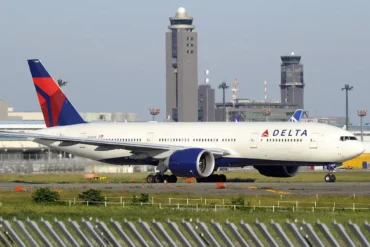
The type of airline a pilot works for plays a major role in determining their salary. Pilots working for major airlines such as Delta, United, or American Airlines tend to earn significantly higher salaries compared to those flying for regional carriers. For example, while regional pilots may earn between $80,000 and $150,000 annually, pilots at major airlines can see salaries exceeding $250,000, with top earners approaching $400,000 annually.
Airlines like Delta Air Lines have negotiated lucrative contracts for their pilots. In 2023, Delta pilots ratified a contract that included a 34% raise over four years, which could bring salaries for some pilots to around $258,000. This competitive pay package is a direct response to the pilot shortage and the need to attract and retain experienced aviators.
Salary Based on Aircraft Type and Flight Routes
Another important consideration when discussing the salary of a commercial pilot is the type of aircraft they operate. Pilots flying larger, long-haul aircraft typically earn more than those operating smaller regional planes. This is due to the greater complexity, longer hours, and higher responsibilities associated with flying large aircraft over long distances.
For example, wide-body aircraft like the Boeing 777 or Airbus A350 are generally flown on long-haul international routes, which require more experience and expertise. Pilots flying these planes can expect a higher salary due to the nature of their flights, which can last for many hours and cross multiple time zones.
Conversely, pilots flying regional jets or operating domestic routes may earn less due to shorter flight durations and lower operational complexity. However, these pilots still enjoy competitive salaries compared to many other professions.
Geographic Location and Regional Salary Variations
Geography also plays a significant role in commercial pilot salaries. The cost of living in different regions often determines the salary scale. For instance, pilots working in regions with a higher cost of living, such as California, may earn higher wages to offset the increased expenses associated with living in those areas.
Similarly, regions with a higher demand for air travel, such as New York or Florida, may offer more lucrative pay packages to pilots due to the volume of flights and the need for qualified aviation professionals. Regional salary variations can range from $100,000 in lower-demand areas to $350,000 or more in high-demand regions.
Pilot Shortage and Its Effect on Salaries
The pilot shortage has had a significant impact on commercial pilot salaries. As airlines struggle to meet the increasing demand for air travel, they are offering higher salaries and better benefits to attract and retain qualified pilots. This shortage has led to competitive bidding between airlines for top-tier talent, with some airlines offering significant pay increases and bonuses.
For example, United Airlines reached a tentative agreement with its pilots in 2023, offering a 40.2% salary increase over four years. This trend is likely to continue in 2025, as airlines look to secure their pilot workforce amidst increasing travel demand.
Industry Outlook for 2025
Looking ahead to 2025, industry reports predict that the median salary for airline pilots will range between $225,000 and $250,000. This projection is based on historical trends, including salary data from the Bureau of Labor Statistics and recent industry reports. Additionally, the pilot shortage and rising demand for air travel are expected to continue driving salary increases, especially for senior pilots and captains.
Salary Data from Industry Reports
To provide a more detailed perspective on the salary of a commercial pilot, here is a summary of recent industry data:
| Source | Year | Median Salary | Salary Range |
|---|---|---|---|
| Bureau of Labor Statistics | 2023 | $219,140 | $101,710 – $239,200 |
| Salary.com | 2025 | $200,301 (Average) | $157,507 – $251,310 |
| Epic Flight Academy | 2025 | Over $200,000 (Avg) | $56,000 – $700,000+ |
| Thrust Flight | 2023 | $219,140 (Median) | Not specified |
| Flight School USA | 2025 | $200,000 (Estimated) | $50,000 – $350,000+ |
These figures showcase the wide range in pilot salaries, which can vary significantly based on the pilot’s experience, the airline, and the specific flight routes they operate.
Conclusion: The Future of Commercial Pilot Salaries
The salary of a commercial pilot in 2025 is expected to remain competitive, with many pilots earning between $225,000 and $250,000 annually. However, captains at major airlines may see earnings approaching $400,000, reflecting the seniority and expertise required for these roles. The pilot shortage, increased demand for air travel, and ongoing contract negotiations will continue to drive salary growth for commercial pilots in the coming years.
For prospective pilots, this industry offers significant earning potential, with many opportunities to advance in rank and increase their salary over time. With the right combination of experience, airline, and aircraft type, commercial pilots can look forward to a rewarding career with substantial financial rewards.