Alaska Airlines has positioned itself as a leader in flight attendant compensation, especially following the ratification of its 2025 labor agreement. The newly negotiated contract introduces significant improvements to base pay, boarding compensation, and long-term earning potential, making it one of the most lucrative in the U.S. airline industry. In this article, we present an in-depth examination of the Alaska Airlines flight attendant salary, analyzing hourly rates, additional pay components, and projected raises through 2027.
Current Salary Structure as of April 2025
As of April 2025, Alaska Airlines flight attendants are paid based on a service-year pay scale that reflects their experience. These hourly rates were established in the newly ratified contract, representing sharp increases over previous agreements:
-
Year 1 (entry-level): $32 per hour
-
Year 8: $54.25 per hour
-
Years 14–16: $74 per hour

These changes mark a major improvement, with increases ranging from 18.6% to 28.3% over the previous scale. For instance, first-year attendants saw their pay rise from $24.95 to $32, while senior staff in the 14–16-year range moved from $60.31 to $74 per hour.
This pay is calculated based on the TFP (Trip For Pay) system, a standard in the airline industry. A full-time flight attendant typically works 80–90 TFP hours per month, which forms the basis of their regular income.
Projected Raises Through 2027
The ratified contract outlines scheduled pay increases to maintain competitiveness and address inflation:
-
August 15, 2025: 3% increase
-
August 15, 2026: additional 3% increase
A senior flight attendant earning $74 per hour will see:
-
$74 × 1.03 = $76.22 per hour in August 2025
-
$76.22 × 1.03 = $78.48 per hour in August 2026
By 2027, these increases could result in a top hourly rate of $78.77, representing a 30.6% total increase from the older pay scale.
Boarding Pay and Additional Compensation
A key new feature in the contract is boarding pay, a long-contested issue in the airline industry. Alaska Airlines flight attendants now receive 0.5 TFP per departure, effectively increasing compensation by an estimated 8%, depending on the number of boardings per month.

This component rewards the time spent preparing the cabin and managing passengers before the aircraft departs—previously uncompensated in many airlines. Depending on flight frequency, boarding pay can raise total earnings by between 4.7% and 33.6%.
Retroactive Pay and Retirement Benefits
In addition to hourly raises, the agreement includes 25 months of retroactive pay covering the negotiation period from 2023 to 2025. This lump-sum compensation boosts overall income for many flight attendants who worked during the contract gap.
The contract also enhances 401(k) contributions, increasing the company’s match to 8.5% by 2026. This benefit strengthens long-term financial security for employees, especially when compounded over years of service.

Industry Comparison: How Alaska Airlines Measures Up
Based on reports from Salary.com and ZipRecruiter (as of March 2025):
-
Average flight attendant salary in Alaska (all airlines): $94,474/year
-
Entry-level estimate (ZipRecruiter): $50,701/year or $24.38/hour
These benchmarks do not fully account for Alaska Airlines’ recent raises. The starting rate of $32/hour already surpasses the ZipRecruiter average, while the top-of-scale pay at $78.77/hour by 2027 places the airline at the pinnacle of U.S. compensation structures.
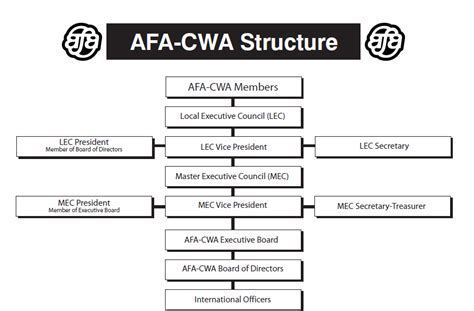
According to the AFA-CWA, the agreement is intended to make Alaska Airlines a national leader in livable flight attendant wages, particularly in light of rising costs in cities like Seattle and Los Angeles, where many crew members are based.
Real-World Application: Monthly and Annual Earnings
To illustrate how these hourly rates translate into actual salaries, consider the following calculations:
-
Entry-level (Year 1): $32/hour × 80 hours/month × 12 months = $30,720/year
-
Mid-tier (Year 8): $54.25/hour × 85 hours/month × 12 months = $55,230/year
-
Senior-level (Year 16): $74/hour × 90 hours/month × 12 months = $79,920/year
These estimates exclude boarding pay, overtime, per diem, and other incentives, which can substantially raise total income.
When boarding pay is added (approx. 8% increase):
- Senior-level adjusted total: $79,920 + 8% = $86,313.60/year
Some experienced flight attendants, especially those who fly frequently, easily surpass $90,000 annually, especially when factoring in overtime and holiday pay.
Challenges and Context
Despite the improvements, real challenges persist. Flight attendants have historically voiced concerns about cost of living in base cities, inadequate rest, and long unpaid ground times. The new contract addresses these with pay increases and improved scheduling rules. However, implementation and enforcement will determine the practical effectiveness of the agreement.
Notably, the first tentative contract was rejected in August 2024 by 68% of voting members. The final agreement ratified in February 2025 passed with a 95% approval rate, signaling broad satisfaction—but also highlighting the intense negotiations that preceded it.
Long-Term Outlook
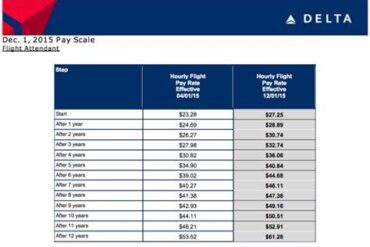
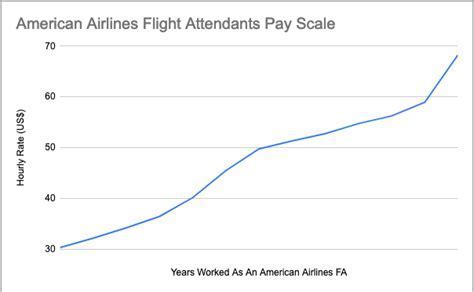
Alaska Airlines is not just matching competitors—it is setting a standard. The projected $78.77/hour by 2027 positions the airline ahead of United Airlines, Delta, and American Airlines, whose pay scales are typically capped around $70/hour at top levels.
With the 2025 contract valid until March 2028, Alaska Airlines has committed to wage growth, better work-life balance, and transparent boarding compensation. These factors contribute to stronger employee retention, which is increasingly critical as the aviation industry continues to face labor shortages post-pandemic.
FAQs About Alaska Airlines Flight Attendant Salary
What is the starting salary for a flight attendant at Alaska Airlines in 2025?
As of April 2025, the starting hourly rate for an entry-level flight attendant at Alaska Airlines is $32 per hour, up from $24.95 under the previous contract. This represents a 28.3% increase and places Alaska Airlines ahead of most competitors in starting compensation.
How much can a senior Alaska Airlines flight attendant earn per year?
A senior flight attendant with 14–16 years of experience earns $74 per hour, which will rise to $78.77 by 2027. Assuming 90 hours of work per month, this translates to approximately $86,300 annually when boarding pay is included. Additional income from overtime and per diem may push total earnings above $90,000 to $100,000.
Does Alaska Airlines pay flight attendants for boarding time?
Yes. Under the new 2025 contract, flight attendants receive boarding pay at 0.5 TFP per departure. This effectively adds about 8% more compensation to their regular pay, depending on how many flights and boardings they manage each month.