Understanding the Southwest Airlines Flight Attendant Salary Structure
At a time when the aviation industry continues to evolve post-pandemic, Southwest Airlines has emerged as a leader in flight attendant compensation. With a new contract ratified in 2024, the airline has set a benchmark in the United States, offering what is now the highest base pay among all major U.S. carriers. For prospective cabin crew members or those analyzing airline labor trends, a clear understanding of Southwest’s unique compensation model is essential.
Southwest’s pay structure is built around a metric known as Trip For Pay (TFP)—a model distinct from hourly-based wages, prioritizing mileage and flying time. This approach allows for greater earning flexibility but also introduces variables based on flight frequency and monthly schedule density.

The Core of Compensation: Trip For Pay (TFP) System
Under the TFP model, pay is tied to the number of trips worked rather than time spent on duty. A single TFP equates to approximately 55 minutes of flight time or about 243 miles. This system, while not accounting for time spent boarding, deplaning, or waiting on the ground, captures actual time in the air and offers scalable income potential.
As of May 1, 2024, new flight attendants start at $30.75 per TFP, translating to about $33.55 per hour of flying time. At the top of the scale—Step 13—flight attendants earn $77.43 per TFP, equivalent to $84.42 per flying hour.
The wage structure includes 13 pay steps, moving up annually with accrued experience. Each step brings substantial increases, ensuring long-term earning growth.
Contractual Advancements and Wage Increases
The 2024 four-year contract, ratified after protracted negotiations since 2018, delivers a 22.325% immediate pay increase, followed by 3% annual raises through 2027. This contract not only addresses pay but also sets new standards in parental leave, 401(k) matching, and retroactive compensation for stalled negotiations.
This landmark contract, backed by Transport Workers Union Local 556, positions Southwest’s cabin crew a full 14% above Delta Air Lines’ rates, reshaping industry norms. Included in the deal is a $364 million ratification bonus, distributed based on 401(k)-eligible earnings, which further boosts take-home pay.
Typical Earnings by Experience and Schedule
Earnings vary widely depending on how many TFPs a flight attendant accumulates monthly. Schedules generally range between 80–100 TFP per month, though some high-performers reach 200 TFP, maximizing their compensation.
For instance:
-
A new hire earning $30.75 per TFP working 100 TFP/month earns about $36,900 annually.
-
A mid-level flight attendant at Step 5 earning $48.83 per TFP at the same workload sees around $58,596 annually.
-
A topped-out veteran at Step 13 making $77.43 per TFP and flying 200 TFP/month can earn up to $185,832 annually.
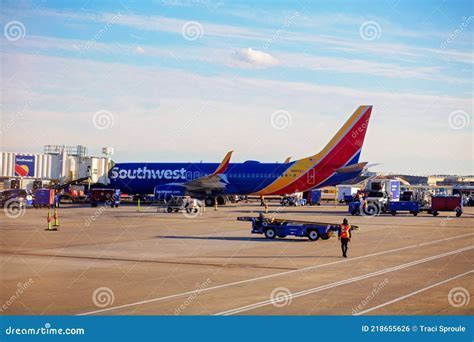
Annual Salary Ranges Based on TFP and Experience (2024 Data)
| Experience Level | TFP Rate | 80 TFP/mo | 100 TFP/mo | 200 TFP/mo |
|---|---|---|---|---|
| New Hire (1st 6 mo) | $30.75 | $29,520 | $36,900 | $73,800 |
| Step 1 (1 yr) | $34.14 | $32,774 | $40,968 | $81,936 |
| Step 5 (Mid-Level) | $48.83 | $46,877 | $58,596 | $117,192 |
| Step 13 (Top-Out) | $77.43 | $74,332 | $92,916 | $185,832 |
These figures illustrate how flexibility and schedule control directly affect annual earnings.
Influence of Workload and Scheduling
Southwest attendants typically log between 75 and 200 hours monthly, which translates into a TFP range of 80 to 220 per month. While standard schedules average closer to 100 TFP, the company offers routes and rosters conducive to higher workloads for those seeking elevated earnings.
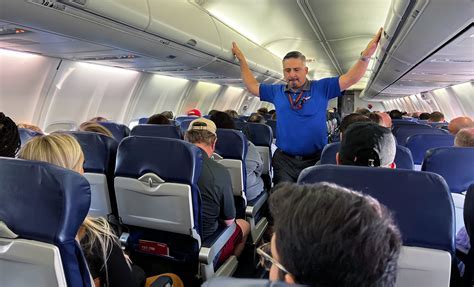
Senior attendants often bid for longer or more profitable routes, whereas new hires might be assigned to shorter or less frequent legs. That said, several Reddit discussions show that even first-year crew can reach $80,000 annually by flying close to 200 TFP per month.
Industry Context and Competitive Benchmarking
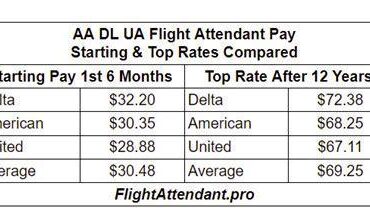
Compared to legacy carriers such as Delta, American Airlines, and United, Southwest now leads the compensation charts for flight attendants. While base pay tells part of the story, Southwest’s ratified bonuses, 401(k) matching, and non-flying paid leaves elevate total compensation even further.
This significant raise comes amid heightened union advocacy and labor demands across the aviation sector. Airlines are competing for talent retention as they scale up post-COVID capacity. The 2024 contract not only retains skilled personnel but also becomes a compelling offer for new recruits.
Additional Benefits Enhancing Total Compensation
Beyond base salary, Southwest offers a robust benefits package, including:
-
401(k) with employer matching contributions
-
Health, dental, and vision insurance
-
Paid parental leave, including maternity and paternity—a first in the industry
-
Free standby flights for employees and their families
These perks, when quantified, add thousands of dollars in annual value, especially for tenured employees.
Future Projections and Salary Growth
Looking ahead, scheduled 3% annual increases under the 2024 contract will elevate pay across the board. For instance, a topped-out attendant earning $77.43 per TFP in 2024 will see that rate rise to $84.60 per TFP by May 2027. With inflation considerations and evolving union dynamics, Southwest’s proactive pay structuring helps future-proof compensation.
The airline’s workforce strategy prioritizes longevity and satisfaction, and its latest agreement is not only reactive to inflation but also anticipatory of workforce expectations in the modern aviation landscape.
Conclusion: Why Southwest Leads the Pay Pack
The Southwest Airlines flight attendant salary system reflects a forward-thinking approach to compensation in a rapidly changing industry. Through its TFP model, strategic contract negotiations, and robust benefit ecosystem, Southwest has redefined how U.S. carriers compensate cabin crew.
Flight attendants at Southwest now have unmatched earning potential, especially those who manage high workloads and accrue seniority. With earnings ranging from $35,000 to over $185,000 annually, this position offers both entry-level appeal and long-term financial promise.

Frequently Asked Questions (FAQ)
How much does a new Southwest flight attendant make?
New hires start at $30.75 per TFP, which typically translates to $36,900 annually for standard monthly workloads of about 100 TFP. With overtime or higher TFP, earnings can exceed $70,000.
What is the highest possible salary for a Southwest flight attendant?
A topped-out flight attendant can earn up to $185,832 per year, assuming they work 200 TFP per month at the Step 13 rate of $77.43 per TFP.
Does Southwest pay for training or ground duty time?
Southwest pays during training, but under the TFP system, ground duties such as boarding and briefings are not directly compensated. Only flight time is counted for TFP earnings.