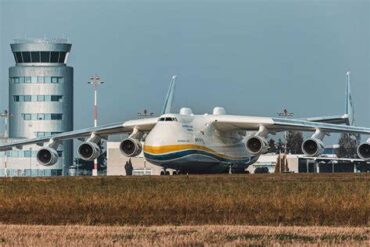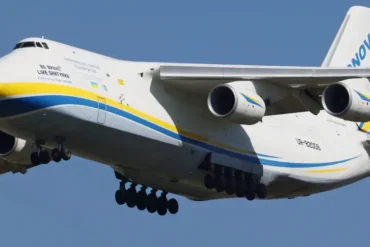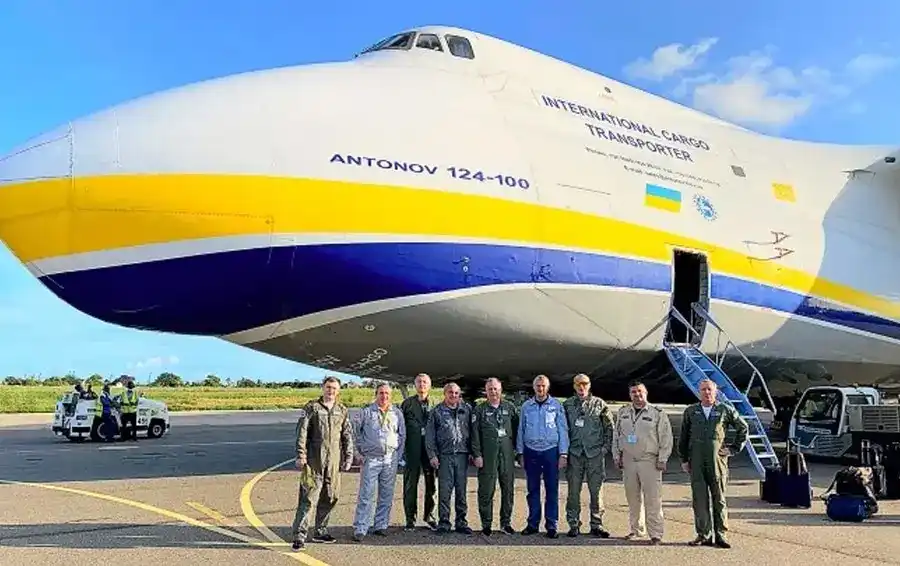
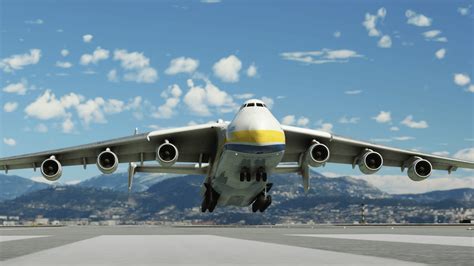
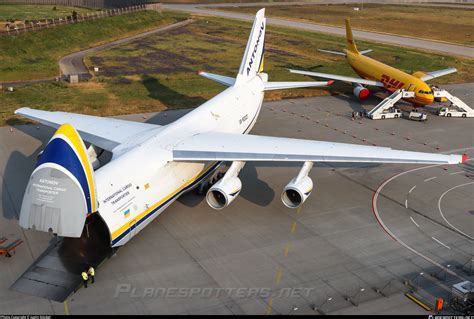
Antonov Airlines, a globally recognized name in the air cargo aviation industry, is synonymous with ultra-heavy and oversized freight transport. Known for operating the iconic Antonov An-124 Ruslan and the legendary An-225 Mriya, Antonov Airlines is not just defined by its aircraft but also by the elite pilots who command them. In this article, we explore the pilot salary at Antonov Airlines, uncovering its compensation structure, contributing factors, and how it compares to other major players in the sector.
Understanding the Prestige of Antonov Airlines
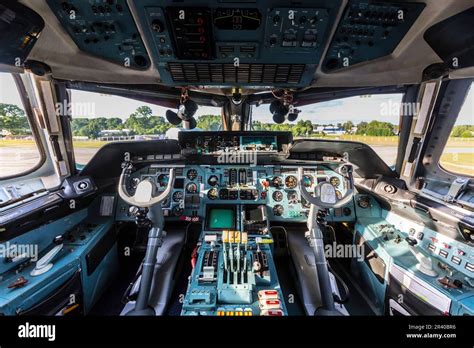
Founded in Ukraine, Antonov Airlines emerged from the legendary Antonov Design Bureau. It specializes in cargo logistics for aerospace, energy, humanitarian, and defense sectors. Due to the specialized nature of its operations, pilots working for Antonov are more than just commercial aviators—they are technical experts and aircraft commanders with a rare skill set.
These pilots routinely fly in complex international airspaces and deal with mission-critical logistics involving equipment valued in tens or hundreds of millions of dollars. The intense responsibility, flight complexity, and rarity of qualified aircrew justify the premium pay these professionals earn.
Pilot Rank Structure at Antonov Airlines
Antonov Airlines follows a hierarchical rank structure, which directly influences the compensation levels:
-
First Officer (Co-Pilot): Typically the entry-level position for newer pilots on Antonov’s aircraft.
-
Captain: Senior pilots with command authority, responsible for flight safety and aircraft operations.
-
Flight Instructor/Check Airman: Experts who train and certify new recruits and oversee simulator testing.
-
Chief Pilot/Operations Director: Senior-most pilots, often with administrative and logistical responsibilities.
Each tier brings increasing levels of compensation, benefits, and international travel allowances, especially due to Antonov’s global charter operations.
Core Salary: Base Pay Ranges by Rank
The base salary structure at Antonov Airlines depends on flight experience, aircraft type certification, and seniority. Here’s an insight into the average base salary brackets:
-
First Officer (An-124): $70,000 – $95,000 USD annually
-
Captain (An-124): $130,000 – $180,000 USD annually
-
Captain (An-225): $150,000 – $200,000 USD annually (Note: Based on historical data prior to damage in 2022)
-
Flight Instructors/Check Airmen: $190,000 – $240,000 USD annually
-
Chief Pilot/Director: $220,000 – $270,000 USD annually, depending on tenure and administrative duties
These salaries represent base pay and do not include bonuses or international allowances.
Travel Intensity and Per Diem Compensation
Antonov pilots are globally mobile, operating in regions ranging from the Middle East to Asia, Africa, and South America. On average, flight crew can expect:
-
160–200 travel days per year
-
Per diem allowances ranging from $100–$180/day depending on destination
-
Hazard pay for conflict zones or disaster-relief missions
These additional payments often add $20,000–$40,000 USD annually to a pilot’s income.
The high travel frequency means Antonov Airlines seeks pilots with strong international readiness and adaptability to rapidly changing environments.
Aircraft Type Ratings and Impact on Salary
Antonov pilots must hold specialized ratings, typically for:
-
An-124-100
-
An-225 Mriya
-
Occasionally, An-22 or An-26 for auxiliary missions
These aircraft are complex, multi-crew, and demand rigorous simulator training. A pilot with a valid An-124 type rating is automatically placed in a higher pay grade compared to conventional jetliners like the Boeing 747 or Airbus A330 due to the aircraft’s unique flight and cargo dynamics.
Antonov Airlines also requires pilots to undergo annual recurrent training, and often biannual simulator proficiency checks, both of which serve as benchmarks for incremental salary increases.
International vs. Ukrainian Compensation Models
Due to the geopolitical and economic conditions in Ukraine, Antonov Airlines has historically offered two-tiered compensation structures:
-
Domestic Ukrainian pilots: Paid in local currency (hryvnia) with benefits subsidized by the airline
-
International contract pilots: Paid in USD or EUR, often with housing, insurance, and relocation included
Pilots under international contracts, particularly from Western Europe or North America, usually earn 20–40% higher base pay than their domestic counterparts.
Comparing Antonov Salaries with Other Operators
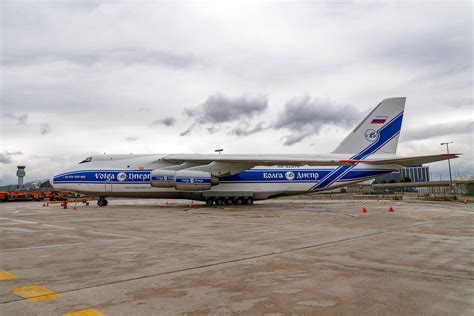
When comparing Antonov Airlines with other cargo giants such as Volga-Dnepr Airlines, Lufthansa Cargo, or FedEx Express, Antonov pilots fall in the upper-middle range in terms of compensation.
-
FedEx MD-11 Captain: $250,000–$300,000/year (higher due to union negotiations)
-
Volga-Dnepr An-124 Captain: $140,000–$170,000/year
-
Cargolux B747-8 Captain: $200,000–$250,000/year
Antonov’s niche market specialization and demanding flight operations often balance the slightly lower pay scale with unique mission exposure and international prestige.
Additional Benefits and Incentives
Antonov Airlines offers more than just salary. Pilots often receive:
-
Fully covered travel and hotel expenses during layovers
-
Premium international health insurance
-
Performance bonuses linked to flight hours or mission type
-
Training reimbursements and type rating support
-
Extended vacation or rotation-based rest periods (e.g., 2 months on, 1 month off)
Furthermore, seasoned Antonov pilots often transition into training roles, fleet management, or regulatory compliance, opening pathways into six-figure administrative roles.
Challenges That Come With the Pay
While the compensation is competitive, it comes with clear operational and emotional demands:
-
Extended family separation due to frequent international travel
-
Emergency missions in conflict zones, especially during global crises
-
Aircraft maintenance delays in remote areas that can extend layovers unpredictably
-
Ukrainian political instability impacting operational continuity and crew security
These challenges, while daunting, are part of what make Antonov pilots stand apart in the aviation world as resilient, highly skilled professionals.
Future Outlook for Antonov Pilots
With the resumption of operations post-2022 conflict, Antonov Airlines is strategically rebuilding its fleet and expanding its international charter network. The revival of the An-225 Mriya project and increased demand for humanitarian logistics signal a renewed need for highly trained cargo pilots.
Experienced pilots with multi-engine heavy aircraft certifications, international flying hours, and a willingness to operate in dynamic environments are well-positioned to benefit from Antonov’s growth.
FAQs
What qualifications are required to become a pilot at Antonov Airlines?
Pilots must have a commercial airline transport pilot license (ATPL), significant multi-engine jet experience, and a valid type rating for aircraft like the An-124. International experience and ICAO Level 4+ English proficiency are mandatory. Former military pilots with heavy aircraft experience are often considered strong candidates.
Do Antonov pilots get hazard or mission-based bonuses?
Yes, Antonov offers hazard pay for missions involving conflict zones or high-risk environments, especially during humanitarian aid or military transport operations. These bonuses can significantly boost annual income depending on frequency and severity.
How often are Antonov pilots required to undergo training?
All pilots must complete initial and recurrent simulator training annually. Additional check rides, emergency procedure training, and international operations refreshers are conducted to meet ICAO and airline standards.