The global aviation industry is often defined by passenger numbers, airline networks, and the race to connect major cities. Yet behind the scenes, a parallel ecosystem operates around the clock, moving everything from smartphones and pharmaceuticals to automotive components and fresh seafood across continents within hours. Air cargo has become an essential pillar of the modern economy, enabling international commerce, supporting just-in-time manufacturing, and fueling the explosive growth of e-commerce.
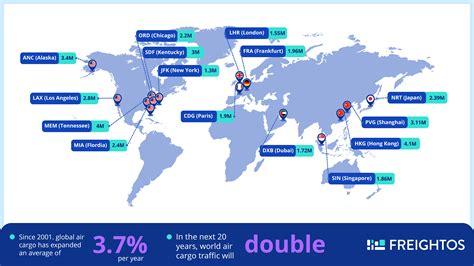
In 2025, global air freight volumes approached 130 million metric tons, reflecting the increasing dependence of businesses and consumers on rapid transportation networks. At the center of this system are a handful of airports that have evolved into logistical powerhouses capable of processing millions of tons of cargo annually. These facilities serve not only as transportation hubs but also as strategic gateways linking manufacturers, distributors, retailers, and consumers worldwide.
Together, the five busiest cargo airports on Earth handled nearly 20 million metric tons of freight during 2025, highlighting their immense influence on global supply chains. Their success stems from a combination of geographic positioning, specialized infrastructure, airline partnerships, and operational efficiency that allows cargo to move seamlessly across international markets.
Why Air Cargo Hubs Matter More Than Ever
The rise of globalized trade has transformed air cargo from a niche transportation sector into one of the world’s most critical economic enablers. While ocean freight continues to dominate by volume, air freight carries many of the world’s highest-value and most time-sensitive goods. Electronics, pharmaceuticals, luxury products, aerospace components, medical equipment, and express parcels frequently depend on air transportation to reach their destinations quickly.
The growth of online retail has accelerated this trend. Consumers increasingly expect next-day or even same-day delivery, forcing logistics providers to develop highly sophisticated networks capable of moving products across vast distances at remarkable speed. As a result, major cargo airports have become indispensable nodes within international supply chains.
Unlike traditional passenger airports, leading cargo hubs operate as massive industrial ecosystems. Their facilities include extensive warehousing complexes, automated sorting systems, customs processing centers, cold-chain storage units, aircraft maintenance infrastructure, and dedicated freighter ramps designed specifically for high-volume freight operations.
5. Louisville Muhammad Ali International Airport (SDF): UPS’s Global Logistics Engine
Louisville Muhammad Ali International Airport secured its position as the world’s fifth-largest cargo airport in 2025 after processing more than 3.15 million metric tons of freight. The Kentucky-based airport experienced one of the strongest growth rates among the world’s leading cargo hubs, recording an impressive increase of over 15% compared with the previous year.
The airport’s remarkable success is inseparable from its role as the global headquarters of UPS Airlines’ Worldport operation. Worldport is widely regarded as one of the most sophisticated package-sorting facilities ever built. Every night, hundreds of aircraft converge on Louisville in a carefully orchestrated logistical ballet, delivering packages from across North America and international destinations before redistributing them to their final markets.
The scale of the operation is staggering. Advanced automated systems process hundreds of thousands of packages every hour during peak periods, enabling UPS to maintain delivery commitments across one of the world’s largest express transportation networks.
Louisville’s geographic location provides another crucial advantage. Positioned near the population centers of the eastern United States, the airport allows UPS to reach a significant percentage of American households within relatively short flight times. This central location minimizes transportation costs while maximizing operational efficiency.
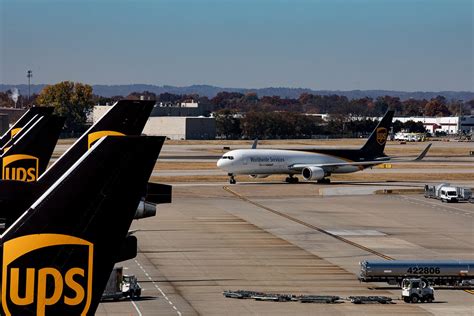
Over the years, substantial investment in cargo infrastructure has transformed Louisville into a logistics powerhouse. Dedicated cargo aprons, advanced sorting technology, modern warehouse facilities, and optimized aircraft handling systems allow the airport to accommodate continuously growing freight volumes while maintaining exceptional reliability.
Although passenger traffic remains relatively modest compared to major international gateways, Louisville’s influence on global logistics extends far beyond its size as a commercial airport. It has become one of the most important express freight centers anywhere in the world.
4. Ted Stevens Anchorage International Airport (ANC): The Strategic Bridge Between Asia and North America
Ted Stevens Anchorage International Airport handled approximately 3.7 million metric tons of cargo during 2025, maintaining its position as the fourth-busiest cargo airport globally. Unlike many major cargo hubs, Anchorage owes its success less to local demand and more to one of the most advantageous geographic locations in aviation.
Situated almost perfectly between Asia and North America, Anchorage serves as a natural transit point for cargo airlines operating transpacific routes. For decades, freighter operators have utilized the airport as a convenient stop for refueling, crew changes, aircraft servicing, and cargo transfers before continuing onward to destinations throughout the world.
The airport’s importance becomes particularly evident when examining global cargo flows. Massive freighter aircraft transporting goods between manufacturing centers in East Asia and consumer markets in North America frequently route through Anchorage, creating one of the world’s most concentrated freight operations.
Cargo carriers value the airport for several operational advantages. Anchorage offers round-the-clock operations, relatively low air traffic congestion, extensive parking capacity, and infrastructure specifically designed to support high-volume cargo handling. These characteristics help airlines maximize aircraft utilization while minimizing delays.
The airport serves as a key hub for both FedEx Express and UPS Airlines, connecting destinations throughout Asia, North America, and beyond. Cargo flights linking major economic centers regularly transit through Anchorage, reinforcing its position as a critical link in international supply chains.

Recent geopolitical developments and changing trade patterns have further increased Anchorage’s strategic relevance. As airlines adapt routes to account for evolving airspace restrictions and logistical requirements, the airport continues to provide unmatched flexibility for long-haul cargo operations.
Its ability to efficiently accommodate some of the world’s largest freighter aircraft ensures that Anchorage remains indispensable to international air freight networks.
3. Memphis International Airport (MEM): The Heart of the FedEx Global Network
Memphis International Airport processed approximately 3.75 million metric tons of cargo in 2025, securing third place among the world’s busiest freight airports. Few airports have become as closely associated with air cargo as Memphis, whose identity has been shaped by decades of logistics innovation and operational excellence.
The airport’s dominance is driven primarily by FedEx Express and its massive SuperHub operation. Serving as the centerpiece of FedEx’s global network, the Memphis hub connects thousands of communities across more than 200 countries and territories.
Every night, hundreds of aircraft arrive from every corner of the world in highly synchronized waves. Packages are rapidly unloaded, sorted using advanced automation systems, and reloaded onto outbound flights destined for regional distribution centers and final delivery markets.
The sheer scale of the operation is difficult to comprehend. During peak sorting periods, aircraft movements occur with extraordinary precision, creating one of the most complex logistical operations in aviation.
Memphis has benefited from significant investment in cargo infrastructure, including vast sorting facilities, extensive warehouse complexes, specialized aircraft parking areas, and dedicated support systems designed specifically for express freight transportation.
Beyond aviation, Memphis possesses another major advantage: multimodal connectivity. The city sits at the intersection of major interstate highways, rail corridors, and inland waterway networks. This integration allows cargo arriving by air to transition efficiently into other transportation modes, creating a highly interconnected logistics ecosystem.
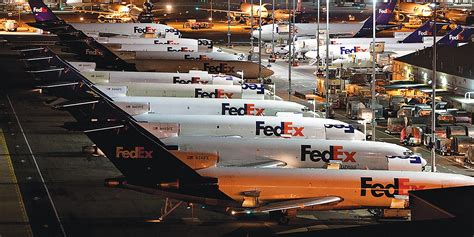
Although it was narrowly surpassed by Shanghai Pudong in the latest rankings, Memphis remains one of the most influential cargo gateways in the world. The airport continues to serve as the operational backbone of one of the largest express delivery networks ever created.
2. Shanghai Pudong International Airport (PVG): China’s Export Gateway to the World
Shanghai Pudong International Airport rose to second place in the global cargo rankings during 2025 after handling approximately 3.78 million metric tons of freight. The airport recorded close to 10% annual growth, reflecting both China’s manufacturing strength and Shanghai’s status as one of the world’s most important commercial centers.
As the primary international gateway serving China’s largest city, Pudong occupies a critical position within global trade networks. The airport acts as a major conduit for exports originating from the Yangtze River Delta, one of the most productive industrial regions on Earth.
Products moving through Pudong span an extraordinary range of industries. Electronics, automotive parts, pharmaceuticals, industrial machinery, consumer goods, and advanced manufacturing components all pass through the airport’s extensive cargo facilities.
The airport’s infrastructure has evolved to support this immense volume. Specialized cargo terminals, temperature-controlled storage facilities, customs processing centers, and integrated logistics operations enable efficient handling of high-value and time-sensitive shipments.
Shanghai’s growth has been accelerated by the expansion of e-commerce and increasingly complex global supply chains. Manufacturers and retailers rely on rapid transportation solutions to move goods between production centers and consumer markets, creating sustained demand for air freight capacity.
The airport’s strategic importance extends beyond China. International airlines, freight forwarders, and logistics providers view Pudong as a critical gateway linking Asian manufacturing centers with customers throughout Europe, North America, the Middle East, and emerging markets worldwide.
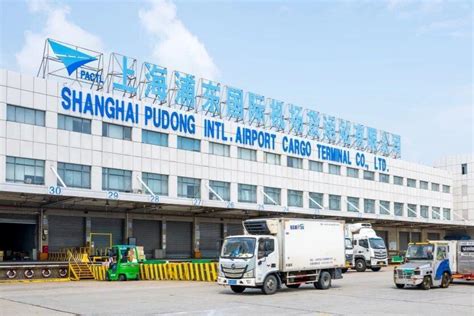
Its rise to second place also reflects a broader transformation within the global economy. As Asia continues to strengthen its position as a manufacturing and trading powerhouse, airports like Shanghai Pudong have become increasingly central to international commerce.
1. Hong Kong International Airport (HKG): The Undisputed King of Global Air Cargo
Hong Kong International Airport once again claimed the title of the world’s busiest cargo airport in 2025, processing approximately 4.94 million metric tons of freight. This achievement represents another chapter in a remarkable history that has seen Hong Kong dominate global cargo rankings for much of the past two decades.
The airport’s success stems from a unique combination of geographic, economic, and operational advantages. Positioned at the doorstep of southern China’s manufacturing heartland, Hong Kong provides direct access to one of the world’s most productive industrial regions while maintaining its longstanding role as a global trade and financial center.
This strategic location has attracted an extensive network of cargo airlines, freight forwarders, logistics specialists, and multinational corporations that depend on the airport’s exceptional connectivity and efficiency.
Cargo moving through Hong Kong includes virtually every category of high-value freight. Consumer electronics, pharmaceutical products, luxury goods, industrial machinery, perishables, and e-commerce shipments flow through its terminals in enormous volumes.
A key contributor to the airport’s dominance is Cathay Pacific Cargo, one of the world’s largest and most respected cargo airlines. Alongside numerous international freight operators, the carrier helps sustain one of the most extensive cargo networks anywhere in aviation.
Hong Kong has continuously invested in infrastructure expansion and operational improvements. The implementation of the airport’s three-runway system significantly increased aircraft movement capacity, while new cargo facilities have strengthened its ability to accommodate future growth.
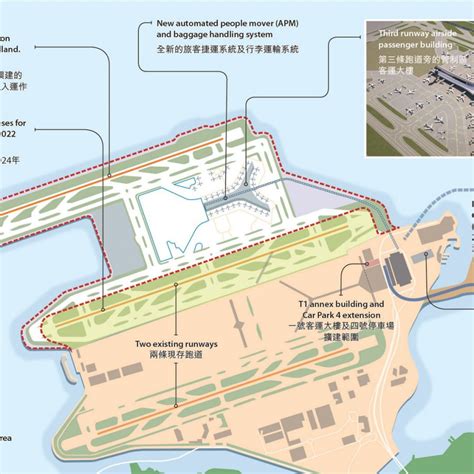
The airport recorded cargo growth exceeding 14% during 2025, outperforming many competing hubs and widening its lead over rivals. With nearly five million metric tons of freight passing through its facilities in a single year, Hong Kong remains the benchmark against which all other cargo airports are measured.
The Airports That Keep Global Commerce Moving
The world’s five largest cargo airports represent far more than transportation facilities. They are critical infrastructure assets supporting international trade, economic growth, manufacturing supply chains, and modern consumer expectations.
From Louisville’s UPS-powered logistics empire and Memphis’s FedEx-driven SuperHub to Anchorage’s strategic transpacific role, Shanghai’s manufacturing gateway, and Hong Kong’s unrivaled cargo ecosystem, each airport serves a distinct function within the global freight network.
As e-commerce expands, international trade evolves, and supply chains become increasingly interconnected, these cargo giants will continue shaping the future of global logistics. Their ability to move millions of tons of freight efficiently across continents ensures that products reach businesses and consumers with unprecedented speed, reinforcing their status as some of the most important airports on the planet.