When people discuss the world’s largest airports, passenger traffic often dominates the conversation. Mega hubs such as Atlanta, Dubai, or London Heathrow are famous because they process tens of millions of travelers every year. Yet the true physical size of an airport tells a very different story. Measured by land area rather than passenger volume, some of the biggest aviation facilities on Earth occupy territories so vast that they resemble small cities—or even entire counties.
The distinction matters because airport planners frequently acquire enormous amounts of land decades before demand reaches projected levels. Extra space allows additional runways, terminals, cargo complexes, maintenance facilities, logistics parks, and future commercial developments to be built without major relocation challenges. As a result, the largest airports are often designed with the next half-century of aviation growth in mind rather than the current year’s traffic statistics.
Several of the airports on this list combine extraordinary physical dimensions with equally impressive passenger numbers, while others remain surprisingly quiet despite covering immense expanses of land. Geography, national strategy, military history, and long-term infrastructure planning have all influenced why these facilities became so enormous.
Below is a closer look at the ten largest commercial airports currently operating, ranked by total land area.
King Fahd International Airport: The World’s Largest Airport by Land Area
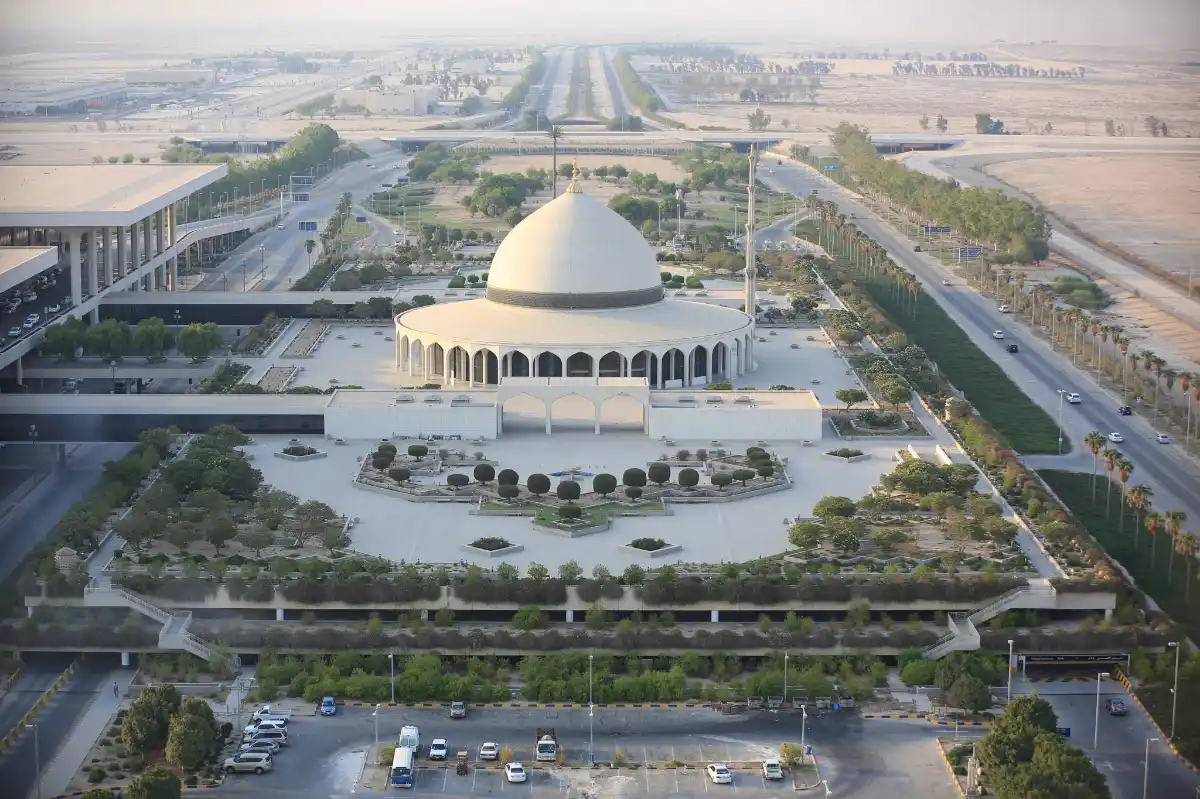
King Fahd International Airport in Dammam, Saudi Arabia, occupies an astonishing 776 square kilometers (300 square miles), making it the undisputed largest airport on the planet by physical footprint. To appreciate its scale, the airport’s property is larger than many major metropolitan cities and dwarfs every other commercial airport currently in operation.
Despite its incredible size, passenger activity remains relatively modest. Around 12 million travelers passed through the airport during 2024, a fraction of what the world’s busiest hubs handle annually. The discrepancy highlights how airport size and operational intensity are far from identical measurements.
The airport’s location in the Saudi desert made acquiring vast tracts of land economically practical. Only a relatively small portion of the property is actively developed today, leaving extraordinary room for future expansion as aviation demand evolves across the Gulf region. Two four-kilometer runways, a passenger terminal, dedicated VIP facilities, and exclusive royal-use infrastructure occupy only part of the available territory.
Its immense reserve of undeveloped land positions King Fahd International Airport as one of aviation’s most future-ready assets.
Denver International Airport: America’s Vast High-Altitude Gateway

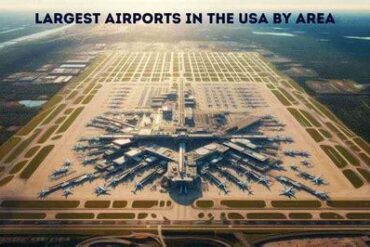
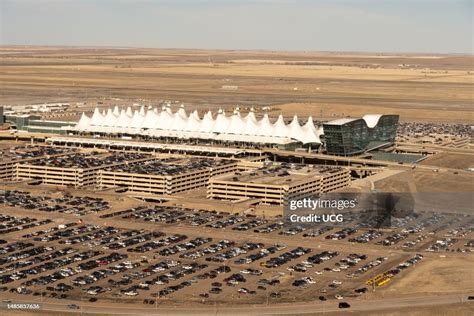
With an area of 137.8 square kilometers (53.2 square miles), Denver International Airport ranks second globally and remains the largest airport in the United States by land size.
Unlike King Fahd, Denver combines enormous acreage with exceptional operational significance. The airport processed more than 82 million passengers during 2024, placing it among the busiest airports in both North America and the world.
Its physical dimensions serve multiple practical purposes. Denver’s elevation of approximately 1,655 meters (5,430 feet) above sea level requires longer runways because thinner air reduces aircraft performance during takeoff. One runway stretches nearly 4.88 kilometers (3.03 miles), making it the longest civil runway in North America.
The airport also serves as a major hub for United Airlines while functioning as the largest operating base for Southwest Airlines and Frontier Airlines. Six runways, a single centralized terminal, underground train connections, and extensive expansion capacity ensure Denver remains positioned for continued long-term growth.
Kuala Lumpur International Airport: Malaysia’s Massive Aviation Hub
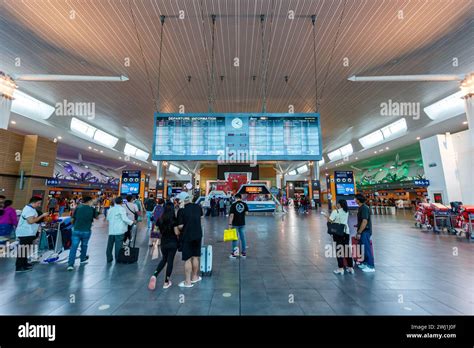
Malaysia’s primary international gateway occupies 100 square kilometers (38.6 square miles), earning third place among the world’s largest operating airports.
Kuala Lumpur International Airport demonstrates how strategic planning can support both traditional and low-cost aviation simultaneously. In 2024, approximately 57 million passengers used the facility, while AirAsia maintained its position as the dominant low-cost operator based there.
The airport’s enormous property allows room for multiple runways, two primary terminals, and a dedicated satellite building connected to the main complex. Beyond serving Malaysia Airlines, the airport has become internationally recognized for exceptional connectivity, ranking among the world’s leading transfer hubs.
Its extensive undeveloped land reserves continue to support expansion projects intended to accommodate future passenger growth without major spatial limitations.
Istanbul Airport: Turkey’s Ambitious Global Connector
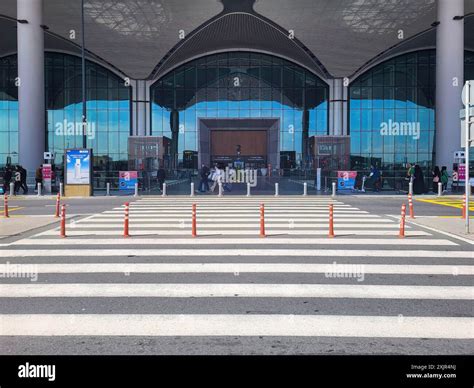
Opened to replace the aging Atatürk Airport, Istanbul Airport covers approximately 76.5 square kilometers (29.5 square miles) and represents one of the most ambitious aviation infrastructure projects of the modern era.
The airport handled more than 80 million passengers during 2024, making it Europe’s second-busiest airport after London Heathrow while simultaneously ranking among the world’s largest by physical size.
Turkish Airlines anchors operations from its primary global hub here, leveraging Istanbul’s strategic geographic position between Europe, Asia, Africa, and the Middle East. The airline’s unparalleled international network allows passengers to reach hundreds of destinations through a single transfer point.
Currently operating with one enormous passenger terminal divided into multiple concourses and five runways, Istanbul Airport remains under continuous development. Planned expansions could eventually increase annual capacity toward 200 million passengers, making the airport one of the largest aviation complexes ever constructed.
Dallas/Fort Worth International Airport: A Giant Built for Expansion
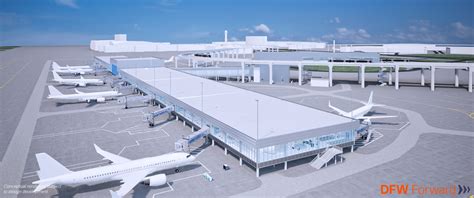
Dallas/Fort Worth International Airport occupies 69.7 square kilometers (26.9 square miles) and exemplifies the long-term planning philosophy that shaped many major American airports during the twentieth century.
The facility welcomed approximately 87.8 million passengers in 2024, ranking among the busiest airports worldwide while simultaneously serving as the largest hub for American Airlines.
The airport’s six terminals and 224 boarding gates create extraordinary operational flexibility. American Airlines maintains a presence across every terminal, enabling highly efficient domestic and international connections.
Terminal D serves as the principal international gateway and accommodates large aircraft including the Airbus A380. Meanwhile, the airport’s expansive land holdings continue providing room for infrastructure upgrades without major geographic constraints.
An additional distinction lies in its environmental achievements, as Dallas/Fort Worth became North America’s first carbon-neutral airport and remains one of the world’s largest facilities to reach that milestone.
Washington Dulles International Airport: Spacious Design with Strategic Vision
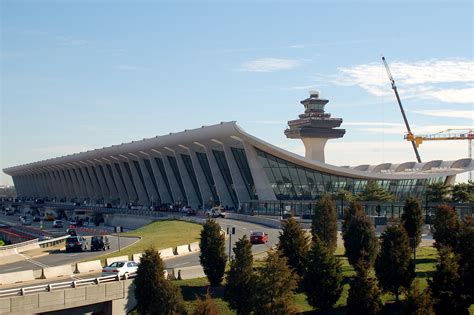
Washington Dulles International Airport occupies 47.8 square kilometers (18.5 square miles) despite serving a comparatively moderate passenger volume of around 27 million travelers in 2024.
Originally designed with considerable foresight, Dulles benefits from extensive land reserves intended to support future aviation growth around the U.S. capital. Four long runways and generous spacing between operational areas contribute significantly to its large footprint.
United Airlines uses Dulles as a major hub, while numerous Star Alliance carriers rely on the airport as an important North American gateway through partnership agreements.
Unlike many airports featuring multiple independent passenger terminals, Dulles primarily operates from one main terminal connected to satellite concourses, illustrating how physical size often reflects airfield planning rather than terminal complexity.
Beijing Daxing International Airport: China’s Futuristic Mega Project
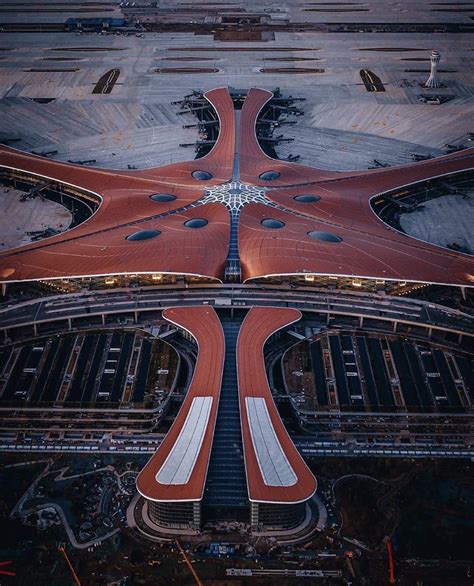
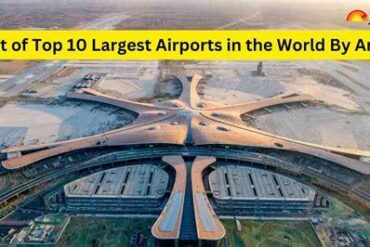
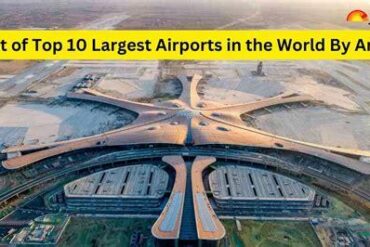
Beijing Daxing International Airport opened in 2019 after years of meticulous planning and engineering innovation. Covering roughly 47 square kilometers (18.1 square miles), it rapidly became one of the world’s largest aviation developments.
The airport handled nearly 50 million passengers during 2024, a remarkable achievement considering its relatively recent launch.
Its iconic starfish-inspired terminal design minimizes walking distances while maximizing operational efficiency. Four runways currently support passenger operations and military requirements, although long-term master plans envision substantially greater expansion.
Designed with future annual throughput ranging from 120 million to 200 million passengers, Beijing Daxing represents China’s long-term commitment to supporting sustained aviation growth across one of the world’s largest travel markets.
Orlando International Airport: Florida’s Tourism Powerhouse
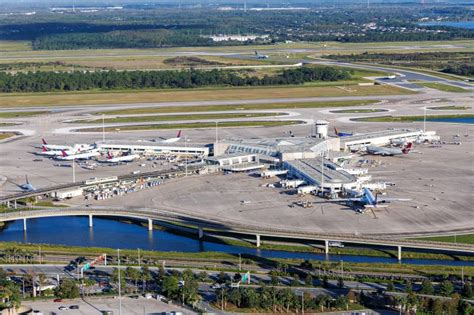
Covering approximately 46.9 square kilometers (18.1 square miles), Orlando International Airport combines enormous land area with one of America’s strongest leisure travel markets.
The airport processed more than 57 million passengers in 2024, surpassing Miami to become Florida’s busiest airport. Its success stems largely from serving millions of visitors traveling to Walt Disney World, Universal Orlando Resort, and the region’s many entertainment attractions.
Unlike many major American airports dominated by legacy airline hubs, Orlando serves as an operational center for carriers emphasizing leisure and low-cost travel, including Breeze Airways, Frontier Airlines, Southwest Airlines, Spirit Airlines, and JetBlue.
Its origins as the former McCoy Air Force Base explain both its generous property size and its unusual airport code, MCO, which remains unchanged decades after the military installation ceased operations.
An integrated intermodal transportation facility further enhances connectivity by linking passengers directly with Brightline high-speed rail services.
George Bush Intercontinental Airport: Houston’s International Gateway
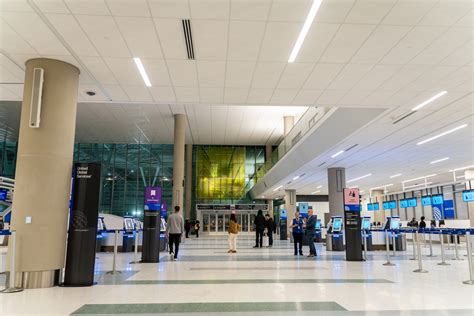
Houston’s George Bush Intercontinental Airport spans 44.5 square kilometers (17.2 square miles), making it the ninth-largest airport globally by land area.
City planners intentionally secured substantial amounts of inexpensive land during development in the 1960s, allowing future expansion without the constraints encountered by many urban airports.
The airport welcomed approximately 48.5 million passengers in 2024 and serves as one of United Airlines’ most significant hubs. International connectivity has historically played a central role, with Houston briefly achieving nonstop service to every inhabited continent during portions of 2017 and 2019.
Five terminals connected through an automated people mover support operations, while specialized facilities in international terminals accommodate large aircraft including the Airbus A380 and Boeing 747.
The airport continues benefiting from the vision of planners who prioritized flexibility over immediate development density.
Shanghai Pudong International Airport: China’s Cargo and Passenger Giant
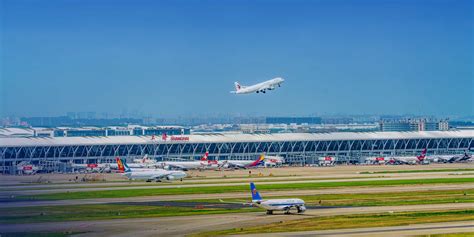
Completing the ranking is Shanghai Pudong International Airport, covering 40 square kilometers (15.4 square miles) while simultaneously standing among the world’s busiest passenger and cargo facilities.
Nearly 77 million passengers traveled through Pudong during 2024, making it China’s busiest airport and one of the busiest globally. Cargo performance is equally impressive, approaching 3.8 million metric tons, second only to Hong Kong International Airport.
The airport functions as the principal hub for China Eastern Airlines and Shanghai Airlines while supporting major operations from Juneyao Air, Spring Airlines, China Southern Airlines, and Air China. Global logistics leaders including FedEx, UPS, and DHL also maintain Asia-Pacific hub operations there.
Massive expansion projects remain underway, including additional runways, terminal enlargements, and new satellite facilities. Once completed, these investments are expected to raise annual passenger capacity to approximately 130 million, ensuring Pudong remains one of the defining aviation gateways of the twenty-first century.
Why the Largest Airports Are Not Always the Busiest
A common misconception assumes that bigger airports automatically handle more passengers. In reality, airport size reflects land ownership rather than operational demand.
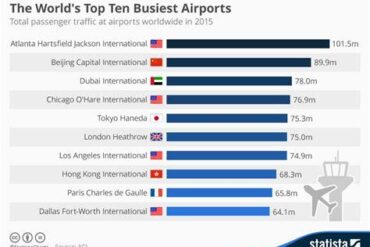
King Fahd International Airport occupies more land than any commercial airport worldwide but serves only a small fraction of the passengers processed by Atlanta or Dubai. Conversely, airports constrained by surrounding urban development often achieve extraordinary throughput despite relatively limited physical footprints.
Several factors explain these differences:
- Long-term expansion planning decades before projected demand.
- Availability of inexpensive surrounding land during construction.
- Military origins that transferred extensive property to civilian aviation.
- Geographic conditions requiring unusually long runways or separation distances.
- National strategic investments intended to support future economic growth.
These considerations demonstrate why airport acreage and passenger rankings should be viewed as complementary rather than interchangeable indicators.
The Future of Mega Airports
As global aviation continues expanding, the value of extensive airport property is likely to increase significantly. Facilities with abundant land can construct additional runways, terminals, logistics centers, maintenance complexes, and commercial districts without relocating nearby communities.
Several airports on this list—including Istanbul, Beijing Daxing, and Shanghai Pudong—already have active expansion projects that will dramatically increase passenger capacity over the coming decade. Others, such as King Fahd International Airport, possess development potential that remains largely untapped.
The world’s largest airports therefore represent more than oversized transportation facilities. They embody national ambitions, economic strategy, engineering foresight, and long-term infrastructure planning capable of supporting generations of aviation growth. While passenger numbers fluctuate from year to year, the immense footprints of these airports ensure they will continue shaping global air travel well into the future.