Global aviation in May 2026 reveals a striking reality: the busiest airports are not always the ones moving the most passengers. Instead, flight frequency—driven by airline strategies, regional demand, and infrastructure capacity—has become the defining metric of operational dominance. This shift exposes a dynamic hierarchy where network density and aircraft movements outweigh sheer passenger throughput, producing a ranking filled with both expected leaders and surprising contenders.
Across North America, Asia, and the Middle East, major hubs are operating at extraordinary intensity. These airports function as high-frequency ecosystems, where departures and arrivals occur in rapid succession, often fueled by short-haul routes, regional jets, and tightly coordinated hub-and-spoke systems. The result is a global map of aviation that looks very different from traditional passenger-based rankings.
By analyzing total two-way flight movements, a more nuanced picture emerges—one where efficiency, frequency, and airline dominance shape the leaderboard. And at the top sits a familiar yet often underestimated powerhouse.
Chicago O’Hare Leads the World in Flight Activity
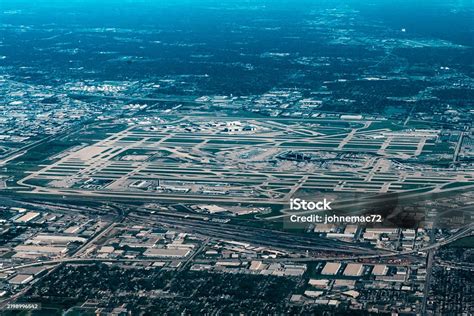
Chicago O’Hare International Airport (ORD) claims the number one position with over 82,000 two-way flights in May 2026, translating to an astonishing average of more than 2,600 daily operations. This dominance is not accidental. It reflects a deeply entrenched hub strategy, where a single airline—United Airlines—controls just over half of all movements.
ORD’s strength lies in its relentless operational tempo. Unlike airports focused on long-haul traffic, Chicago thrives on high-frequency domestic routes, supported by regional aircraft that maximize departure cycles. Every takeoff and landing contributes to its ranking, creating a rhythm that few global airports can match.
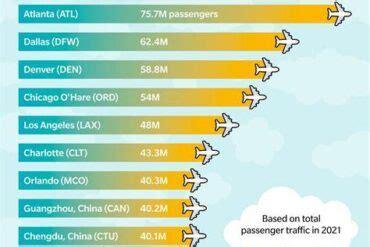
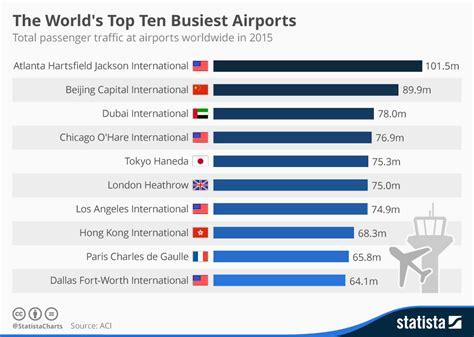
Close behind is Hartsfield-Jackson Atlanta International Airport (ATL), with nearly 69,000 flights. While ATL remains the world’s busiest airport by passenger numbers, it ranks second here due to slightly lower flight frequency, highlighting how larger aircraft and higher load factors can reduce total movements.
Dallas/Fort Worth International Airport (DFW) secures third place, driven by American Airlines’ overwhelming presence. With more than 85% of flights tied to a single carrier, DFW exemplifies how hub concentration amplifies operational scale.
The Top 10 Busiest Airports by Flights (May 2026)
The global top ten showcases a blend of North American giants, rapidly recovering Asian hubs, and strategically positioned international connectors:
- #1 Chicago O’Hare (ORD) – 82,373 flights
- #2 Atlanta (ATL) – 68,864 flights
- #3 Dallas/Fort Worth (DFW) – 62,510 flights
- #4 Denver (DEN) – 58,697 flights
- #5 Guangzhou Baiyun (CAN) – 46,160 flights
- #6 Charlotte Douglas (CLT) – 44,527 flights
- #7 Shanghai Pudong (PVG) – 44,212 flights
- #8 Los Angeles (LAX) – 42,860 flights
- #9 Delhi (DEL) – 42,208 flights
- #10 Istanbul (IST) – 42,163 flights
Together, these airports account for 16.6% of all global flight activity, meaning more than one in six flights worldwide passes through this elite group. The concentration of traffic underscores how a handful of mega-hubs orchestrate the majority of global air movement.
You Won’t Guess #5: Guangzhou’s Quiet Surge
The most unexpected name in the top five is Guangzhou Baiyun International Airport (CAN). Traditionally overshadowed by Beijing and Shanghai, Guangzhou has surged to fifth place with over 46,000 flights in a single month.
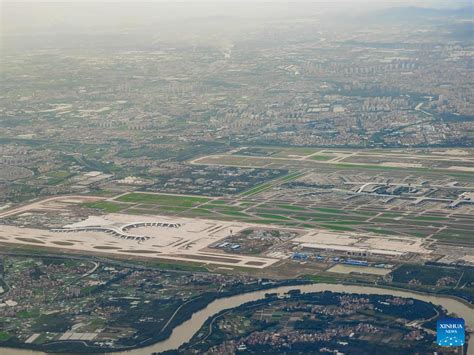
This rise is fueled by several powerful forces. First, Guangzhou serves as the primary hub for China Southern Airlines, enabling dense domestic connectivity across China’s vast economic regions. Unlike long-haul-focused hubs, Guangzhou thrives on short- and medium-haul routes, dramatically increasing flight counts.
Second, China’s aviation recovery has followed a unique trajectory. Domestic travel rebounded aggressively, with airlines prioritizing frequency over aircraft size. This strategy naturally boosts movement statistics, propelling airports like Guangzhou ahead of traditional international gateways.
Infrastructure expansion has also played a decisive role. Continuous runway and terminal development allows Guangzhou to handle higher traffic volumes without bottlenecks, while slot constraints in Beijing have limited growth there. The opening of Beijing Daxing further redistributed traffic, indirectly benefiting Guangzhou’s ascent.
Why Flight Frequency Tells a Different Story
The distinction between passenger rankings and flight movements is critical. Airports like Atlanta dominate in passenger numbers due to larger aircraft and higher occupancy rates, yet they may fall behind in movement-based rankings.
In contrast, airports such as Denver and Charlotte rank highly because they rely heavily on regional jets and short-haul networks, which generate more takeoffs and landings per passenger. This creates a scenario where more flights do not necessarily mean more travelers, but rather more operational intensity.
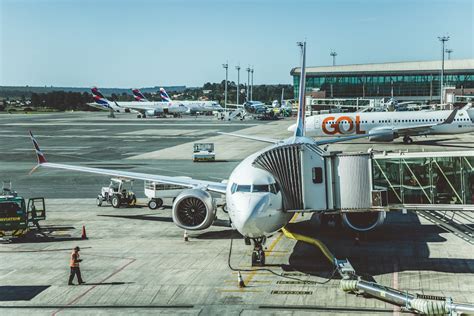
Los Angeles International Airport (LAX) illustrates another variation. Despite being a major global gateway, its mix of long-haul international routes results in fewer total movements compared to domestic-heavy hubs. Similarly, Shanghai Pudong balances international and domestic traffic, limiting its flight count relative to purely regional airports.
Emerging Powerhouses: Delhi and Istanbul
Two airports in the top ten highlight the future direction of global aviation growth: Delhi Indira Gandhi International Airport (DEL) and Istanbul Airport (IST).
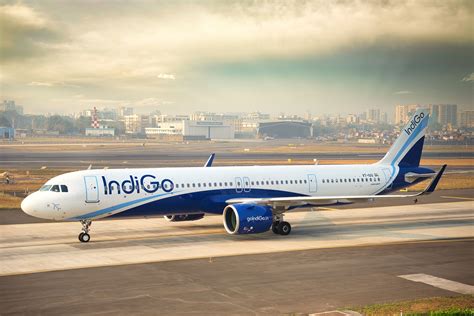
Delhi’s rapid climb reflects India’s booming aviation market, driven by low-cost carriers like IndiGo. The focus on high-frequency domestic routes and expanding middle-class demand has transformed DEL into a major global contender.
Istanbul, meanwhile, leverages its geographic advantage as a bridge between continents. With Turkish Airlines operating nearly 80% of flights, IST has evolved into a super-connector linking Europe, Asia, and Africa. Its growth is not just about volume but strategic positioning within global transit flows.
North America’s Hub Dominance
Four of the top six airports are located in the United States, underscoring the enduring strength of the hub-and-spoke model. Airports like Chicago, Dallas, Denver, and Charlotte are designed for maximum connectivity, where passengers transfer seamlessly between flights.
This model inherently increases flight movements, as airlines schedule frequent departures to maintain network efficiency. Regional jets play a crucial role, feeding passengers into major hubs and boosting overall activity levels.
However, this dominance also reveals a trade-off. High flight frequency can strain infrastructure and air traffic management systems, requiring continuous investment in technology and capacity expansion.
The Future of the World’s Busiest Airports
Looking ahead, the rankings are poised to evolve as emerging markets expand and aviation demand continues to diversify. Airports in Asia and the Middle East are investing heavily in next-generation infrastructure, aiming to accommodate both rising passenger volumes and increasing flight frequency.
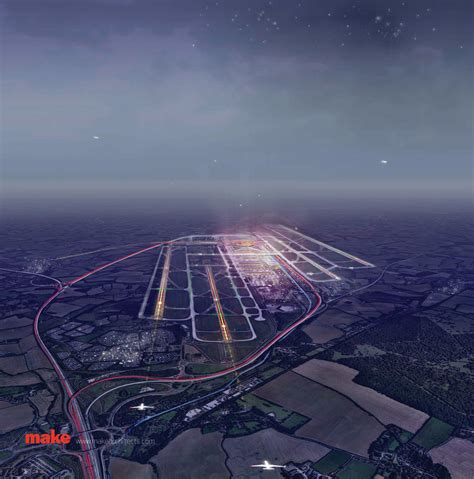
Secondary cities are also entering the spotlight. As congestion limits growth in traditional hubs, airlines are exploring alternative airports with greater capacity and strategic location advantages. This shift could redefine what it means to be “busy” in aviation.
At the same time, fleet modernization is changing the equation. Larger, more efficient aircraft may reduce flight counts even as passenger numbers grow, potentially reshaping future rankings once again.
A New Definition of “Busy” in Aviation
The May 2026 data makes one thing clear: busyness in aviation is no longer a single metric. Flight movements, passenger numbers, and network complexity each tell a different story, and the balance between them continues to shift.
Chicago’s dominance highlights the power of frequency. Guangzhou’s rise reveals the impact of strategic growth. And the presence of airports like Delhi and Istanbul signals where the industry is heading next.
In this evolving landscape, the world’s busiest airports are not just transit points—they are dynamic engines of global connectivity, constantly adapting to the demands of a rapidly changing aviation ecosystem.