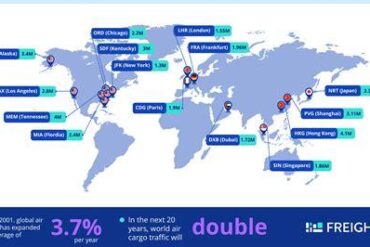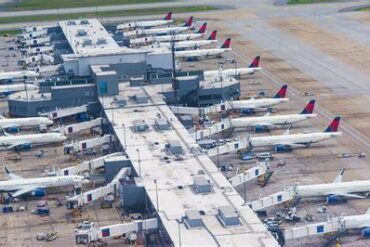
Air cargo is the lifeblood of global trade, especially in an era defined by relentless e-commerce demand and fragile supply chains. In 2024, the global air cargo industry surged forward, registering a notable 8.4% year-over-year growth, with over 124 million metric tonnes of freight and mail transported across the world’s airports. According to Airports Council International (ACI), the top 10 busiest airports by cargo volume handled 32.3 million tonnes, representing nearly 26% of global air cargo traffic. This concentration underscores the dominance of key logistics hubs that keep the world’s supply chains running.
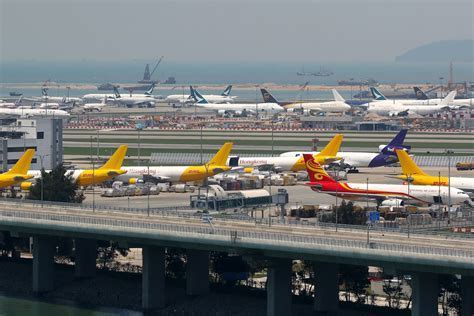
1. Hong Kong International Airport (HKG): Global Cargo Titan
- Tonnes Handled in 2024: 4,938,211
- Growth from 2023: +14.1%
Hong Kong International Airport, located on the island of Chek Lap Kok, maintained its position as the undisputed cargo leader in 2024. With nearly 5 million tonnes of cargo, it remained the global benchmark for freight logistics. Its strategic location at the heart of East Asia, world-class infrastructure, and seamless integration with multimodal transport networks enable it to cater to both time-sensitive shipments and high-volume freight movements. This exponential growth was propelled by a rebound in global trade, coupled with increased cross-border e-commerce from China and restocked inventories post-pandemic.
2. Shanghai Pudong International Airport (PVG): China’s Freight Powerhouse
- Tonnes Handled in 2024: 3,778,331
- Growth from 2023: +9.8%
Serving as the international gateway of China’s financial capital, Shanghai Pudong International Airport continues to be an essential cog in the global supply chain. Its capacity to handle close to 3.8 million tonnes of air cargo comes from being a preferred point for pharmaceutical, electronic, and perishable goods exports. The airport’s robust infrastructure, frequent freighter connections, and status as a free trade zone bolster its capabilities. Furthermore, the Yangtze River Delta region, known for its manufacturing dominance, feeds a consistent cargo demand pipeline through PVG.
3. Memphis International Airport (MEM): FedEx’s Global Hub
- Tonnes Handled in 2024: 3,754,236
- Growth from 2023: -3.3%
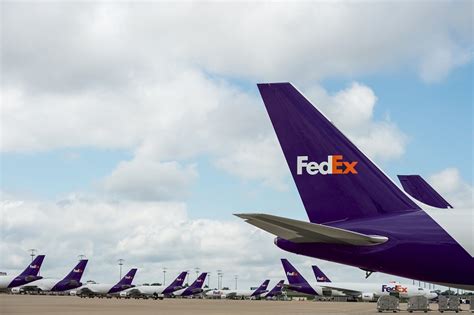
While Memphis International Airport recorded a slight decline, its status as the North American cargo epicenter remains intact. As the global superhub for FedEx Express, MEM benefits from the consolidation of express parcel deliveries and overnight shipments. However, the minor decrease is attributed to normalization of pandemic-driven logistics spikes. Despite this, its ability to operate with precision and throughput on par with the world’s busiest airports keeps Memphis in the top tier.
4. Ted Stevens Anchorage International Airport (ANC): Arctic Crossroads of Commerce
- Tonnes Handled in 2024: 3,699,284
- Growth from 2023: +9.4%
Strategically situated between Asia and North America, Ted Stevens Anchorage International Airport serves as a critical transpacific refueling and redistribution point. With less than 9.5 hours flying time to 90% of industrialized economies, ANC optimizes aircraft payloads through technical stopovers and cargo transshipments. The growing demand for just-in-time supply chains, combined with geopolitical factors impacting maritime logistics, ensured Anchorage maintained robust growth.
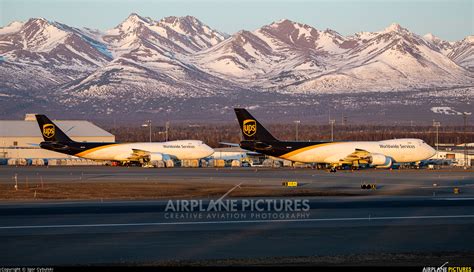
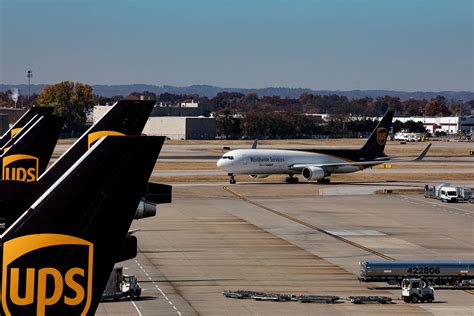
5. Louisville Muhammad Ali International Airport (SDF): UPS’s Freight Fortress
- Tonnes Handled in 2024: 3,152,969
- Growth from 2023: +15.6%
Home to Worldport, the global air hub for UPS, Louisville Muhammad Ali International Airport emerged as one of the fastest-growing cargo airports. Its record-breaking 15.6% growth reflects booming demand for express services, particularly from Amazon, healthcare, and high-tech sectors. The airport’s overnight sortation facilities and automated handling systems make it a linchpin of fast-cycle e-commerce logistics across North America.
6. Incheon International Airport (ICN): Northeast Asia’s Cargo Gateway
- Tonnes Handled in 2024: 2,946,902
- Growth from 2023: +7.4%
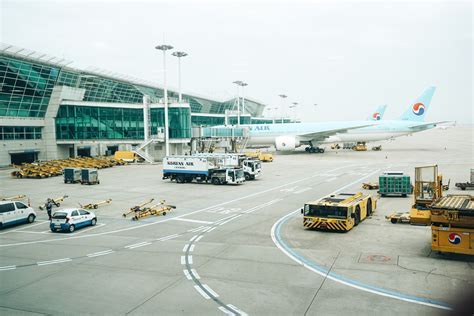
As South Korea’s main international airport, Incheon International Airport plays a pivotal role in connecting Asian manufacturing hubs with global markets. Its proximity to high-tech exporters, including giants like Samsung and LG, ensures a consistent stream of high-value cargo. The airport also benefits from Korea’s free trade agreements and infrastructure investments aimed at expanding its air cargo logistics complexes, thus boosting throughput in 2024.
7. Miami International Airport (MIA): Latin America’s Trade Portal
- Tonnes Handled in 2024: 2,753,450
- Growth from 2023: +9%
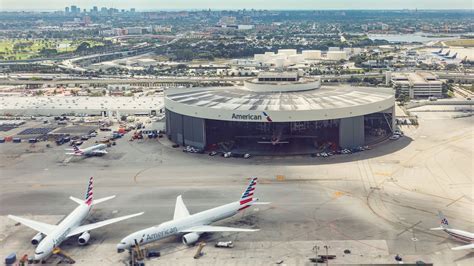
Miami International Airport dominates the air cargo corridor between North and South America. With extensive cargo routes to Latin America and the Caribbean, MIA serves as a hub for pharmaceuticals, perishables, electronics, and textiles. Its strategic location and cold-chain facilities make it a go-to airport for temperature-sensitive goods. The 9% growth reflects stronger regional trade flows and recovery in tourism-related shipments.
8. Hamad International Airport (DOH): Gulf Logistics Superhub
- Tonnes Handled in 2024: 2,616,849
- Growth from 2023: +11.1%
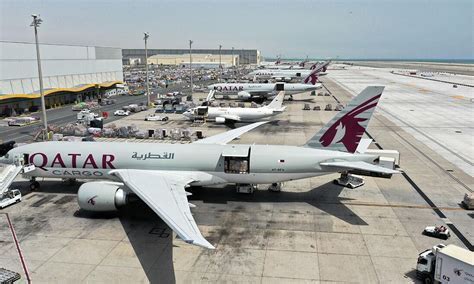
As the primary hub of Qatar Airways Cargo, Hamad International Airport in Doha has grown into one of the fastest-expanding air cargo airports in the Middle East. Opened in 2014, its modern infrastructure supports both heavy freighter aircraft and premium cargo like luxury goods, pharmaceuticals, and electronics. Geopolitical positioning and the strategic pivot to air freight amidst Red Sea shipping disruptions further fueled its cargo growth.
9. Guangzhou Baiyun International Airport (CAN): South China’s Freight Heartbeat
- Tonnes Handled in 2024: 2,373,727
- Growth from 2023: +16.9%
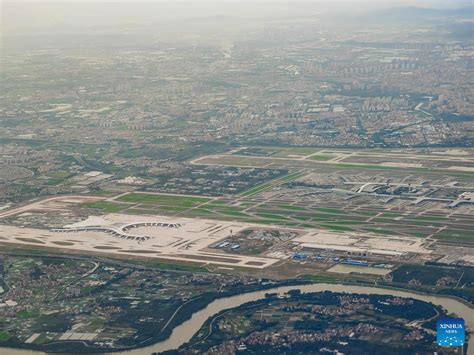
Guangzhou Baiyun International Airport experienced the strongest percentage growth among the top ten, registering a whopping 16.9% increase. As a vital component of China’s export machinery, Guangzhou handles everything from apparel and machinery to semiconductors and medical supplies. The Pearl River Delta’s continued economic dynamism and focus on multimodal logistics integration contribute to this surge.
10. Taiwan Taoyuan International Airport (TPE): East Asia’s Strategic Connector
- Tonnes Handled in 2024: 2,270,974
- Growth from 2023: +7.5%
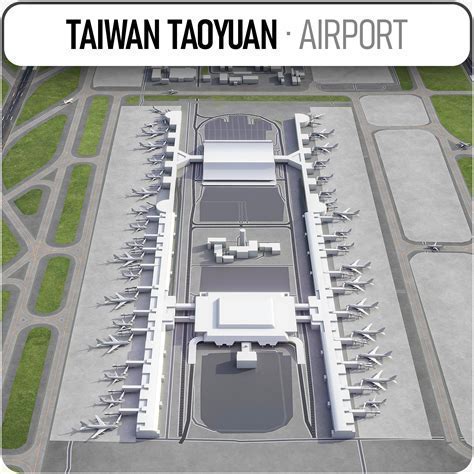
Taiwan Taoyuan International Airport, serving Taipei, solidified its standing as a critical hub for high-value and time-sensitive cargo. From semiconductors to precision instruments, Taiwan’s exports rely on fast and secure air freight, and TPE is the primary conduit. Its robust cargo handling growth of 7.5% reflects sustained demand from the tech sector and strong intra-Asia air trade lanes.
Global Cargo Trends: Consolidation and Resilience
The dominance of these top 10 airports is not merely a product of geographic advantage but a testament to logistics infrastructure, policy support, and strategic partnerships. The sector’s continued resilience in the face of shipping lane disruptions, port congestion, and volatile fuel costs highlights the essential nature of air freight.
Emerging technologies such as AI-powered logistics platforms, drone-based last-mile delivery, and automated warehouses are expected to further refine air cargo efficiency. Investments in green aviation fuels and carbon-neutral infrastructure also indicate a pivot toward sustainable air cargo operations, especially in light of rising environmental scrutiny.
In a world where speed defines competitiveness, these airports are more than just transit points—they are vital arteries of global commerce, keeping economies interconnected and supply chains moving at the speed of flight.