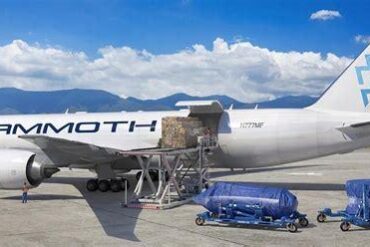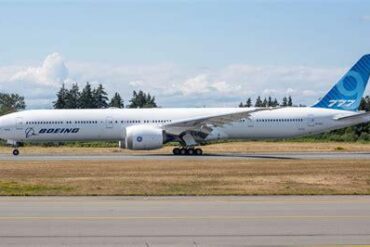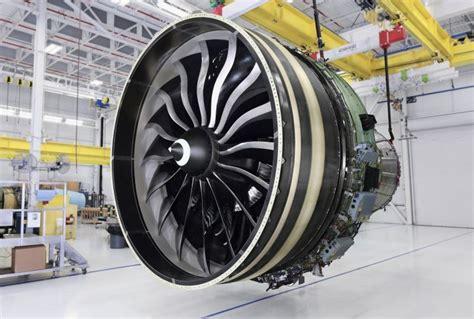
Lufthansa Group’s decision to purchase GE9X engines for future Boeing 777-8 Freighters may appear unusual at first glance. The aircraft that will use these engines are not expected to enter service until 2027, yet the German aviation giant is already securing the technology needed to power its next-generation cargo fleet. However, the order reveals a much deeper strategy: Lufthansa Cargo is preparing for the future while protecting its current operations in a challenging aviation environment.
The agreement with GE Aerospace includes both the advanced GE9X engine for future aircraft and additional GE90 engines to support Lufthansa’s existing Boeing 777 Freighter fleet. Rather than replacing its current fleet immediately, Lufthansa is taking a balanced approach that combines modernization, reliability, and long-term cost control.
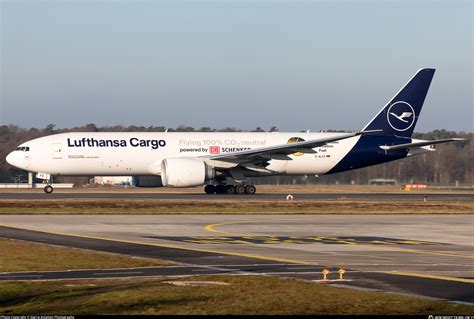
Why Lufthansa Is Ordering GE9X Engines Before Boeing 777-8 Freighter Deliveries
Large cargo aircraft are not replaced quickly. Unlike some passenger aircraft that may transition to newer models after 15 to 20 years, dedicated freighters often remain in service for several decades because of their high acquisition costs and specialized capabilities. For airlines like Lufthansa Cargo, maintaining reliable capacity is essential because cargo networks depend on consistent schedules and aircraft availability.
The upcoming Boeing 777-8 Freighter represents the next stage of Lufthansa Cargo’s fleet evolution. The airline plans to acquire seven examples of the aircraft, which will eventually become a central part of its long-haul freight operations. These aircraft are expected to connect major logistics hubs across Europe, Asia, and North America while offering improved efficiency compared with older-generation freighters.
The decision to purchase GE9X engines years before aircraft delivery is not unusual in the commercial aviation industry. Airlines often secure engines, spare parts, and maintenance agreements well ahead of receiving new aircraft to ensure operational readiness from the first day of service.
For Lufthansa, early acquisition of GE9X engines provides several advantages. It helps guarantee engine availability, supports future maintenance planning, and reduces potential supply-chain risks as global aviation manufacturers continue dealing with production delays and capacity constraints.
The Boeing 777-8 Freighter Will Transform Lufthansa Cargo’s Long-Haul Fleet
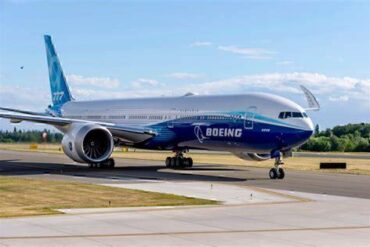
The Boeing 777-8 Freighter is designed as a replacement for older large freighter aircraft while maintaining the range and payload capabilities required by global logistics operators. Based on Boeing’s next-generation 777X platform, the aircraft combines advanced aerodynamics, composite materials, and modern propulsion technology.
The aircraft is expected to carry approximately 260,000 pounds (118,000 kilograms) of cargo while delivering improved operating economics compared with previous-generation freighters. Its twin-engine configuration also provides significant efficiency advantages compared with older four-engine cargo aircraft.
For Lufthansa Cargo, the 777-8 Freighter fits a long-term strategy focused on efficiency and flexibility. The airline operates in a market where fuel prices, emissions regulations, and customer expectations continue to change. A more efficient aircraft allows Lufthansa to reduce operating expenses while maintaining competitive cargo capacity.
The aircraft’s arrival timeline, however, creates a challenge. Boeing’s 777X program has experienced delays, meaning airlines must continue operating existing aircraft longer than originally planned. This reality explains why Lufthansa is investing in both future technology and current fleet support.
GE9X: The Most Advanced Commercial Aircraft Engine Ever Developed
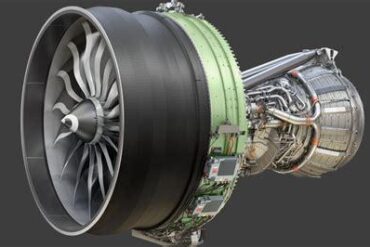
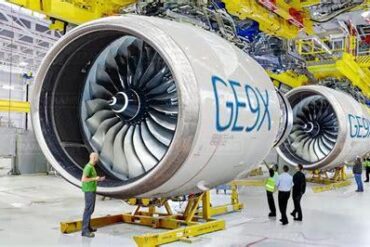
At the center of Lufthansa’s future cargo strategy is the GE9X, the largest and most advanced commercial jet engine currently in production. Developed specifically for the Boeing 777X family, the engine represents the next generation of technology following the highly successful GE90 engine series.
The GE9X features a massive 134-inch (3.4-meter) fan diameter, making it even larger than the GE90-115B engine used on today’s Boeing 777 Freighters. Despite its enormous size, the engine incorporates lightweight materials and advanced engineering techniques designed to improve efficiency.
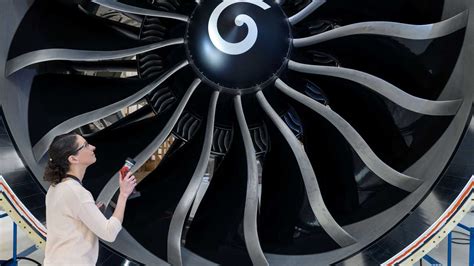
One of the engine’s most important innovations is its use of fourth-generation carbon-fiber composite fan blades. These blades provide high strength while reducing weight compared with traditional metal components. The engine also uses a lightweight composite fan case and ceramic matrix composite materials capable of operating at extremely high temperatures.
These technologies allow the GE9X to achieve significant improvements in fuel efficiency. Compared with the GE90-115B, the engine delivers up to 10% lower specific fuel consumption, helping airlines reduce both operating costs and carbon emissions.
Key GE9X specifications include:
- Fan diameter: 134 inches (3.4 meters)
- Maximum takeoff thrust: Approximately 105,000 pounds-force (467 kN)
- Fan blades: 16 carbon-fiber composite blades
- Bypass ratio: Approximately 10:1
- Overall pressure ratio: Greater than 60:1
- Engine length: About 287 inches (7.3 meters)
- Dry weight: Approximately 21,230 pounds (9,630 kilograms)
For cargo operators flying thousands of long-haul hours every year, even small improvements in fuel consumption can create substantial financial benefits. The GE9X is therefore not simply an engine upgrade; it is a strategic tool for improving long-term fleet economics.
Why Lufthansa Still Needs GE90 Engines for Existing Boeing 777 Freighters
While the GE9X represents Lufthansa Cargo’s future, the airline’s purchase of additional GE90 engines highlights an equally important reality: the current fleet remains essential.
The Boeing 777 Freighter has become one of the most successful cargo aircraft in the world since entering commercial service in 2009. Its combination of long range, high payload capacity, and twin-engine efficiency has made it a preferred aircraft for major freight carriers.
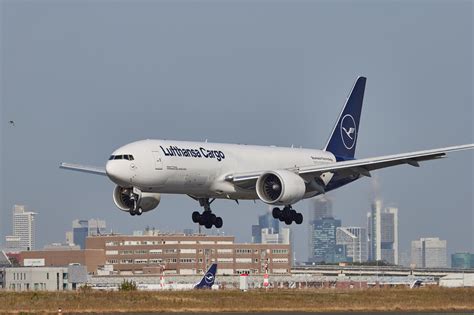
The aircraft can carry approximately 103,000 kilograms (227,076 pounds) of cargo and operate nonstop on many major international routes. For Lufthansa Cargo, these aircraft continue to provide the capacity needed to serve global customers while waiting for the arrival of the next-generation 777-8 Freighter.
Buying GE90 engines allows Lufthansa to keep existing aircraft flying reliably. Cargo airlines cannot afford frequent disruptions because many shipments involve time-sensitive goods, including pharmaceuticals, industrial equipment, automotive components, and express deliveries.
A modern aircraft order does not instantly solve fleet challenges. Delivery delays, maintenance requirements, and unpredictable market conditions mean airlines must carefully manage the transition period. Lufthansa’s dual-engine purchase reflects this reality.
Environmental Regulations Are Accelerating Cargo Fleet Modernization
The decision to invest in more efficient aircraft and engines is also connected to increasing environmental pressure across Europe. Aviation companies are facing stricter emissions requirements as governments attempt to reduce carbon output from transportation.
The European Union Emissions Trading System (EU ETS) has become a major factor in airline operating costs. Under the system, airlines must account for carbon emissions from covered flights, creating additional financial pressure for operators using older and less efficient aircraft.
For cargo airlines operating long-distance missions, fuel efficiency has become increasingly important. A small reduction in fuel consumption can translate into significant savings when multiplied across thousands of flights every year.
The introduction of sustainable aviation fuel requirements through Europe’s ReFuelEU Aviation framework adds another layer of complexity. While sustainable aviation fuel is expected to play a major role in reducing aviation emissions, it remains more expensive than conventional fuel.
As a result, airlines must find multiple ways to improve efficiency. New aircraft platforms and advanced engines like the GE9X provide immediate benefits by lowering fuel consumption and reducing emissions exposure.
For Lufthansa Cargo, the Boeing 777-8 Freighter and GE9X combination represents more than a fleet upgrade. It is part of a broader strategy to remain competitive as aviation moves toward a lower-carbon future.
Global Air Cargo Is Entering a Period of Strategic Fleet Management
The air cargo industry has experienced significant changes in recent years. The pandemic created unprecedented demand for freight capacity, leading many airlines to expand their cargo operations. However, as market conditions normalized, operators faced a more complicated environment involving fluctuating demand, geopolitical uncertainty, and supply-chain challenges.
Aircraft manufacturers have also struggled to maintain expected production schedules. Delays affecting new aircraft programs have forced airlines to extend the service life of existing fleets.
This situation has increased demand for aftermarket support, spare engines, and maintenance solutions. Airlines are increasingly treating engines as strategic assets rather than simple replacement components.
Lufthansa’s GE9X and GE90 order demonstrates this changing mindset. The airline is not simply buying engines; it is purchasing operational flexibility.
What Lufthansa’s GE9X Order Reveals About the Future of Aviation
The Lufthansa Cargo engine agreement provides a clear example of how airlines are managing the transition toward next-generation aircraft. Instead of making a complete fleet replacement overnight, carriers are developing strategies that protect current operations while preparing for future technology.
The GE9X engines represent Lufthansa’s commitment to efficiency, sustainability, and long-term competitiveness. Meanwhile, the GE90 engines ensure that existing Boeing 777 Freighters remain productive during the transition period.
This approach reflects the reality of modern aviation. Fleet modernization is no longer just about ordering new aircraft. It requires balancing delivery schedules, maintenance requirements, environmental regulations, and economic uncertainty.
By securing GE9X engines years before its Boeing 777-8 Freighters arrive, Lufthansa Cargo is positioning itself for the next era of global air freight while ensuring that today’s cargo network continues operating without interruption.