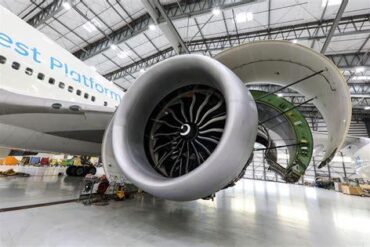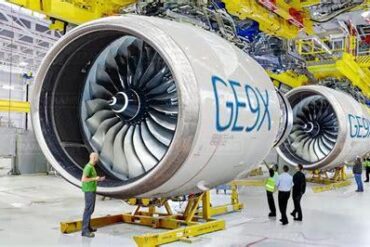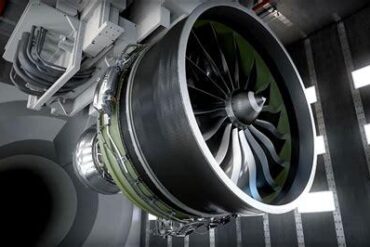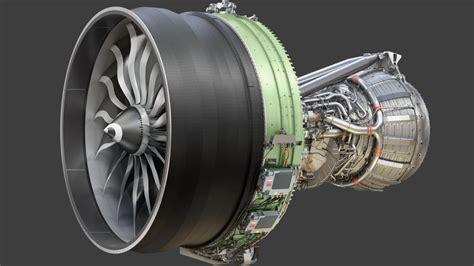
The future of long-haul aviation was supposed to arrive with the Boeing 777X, a massive next-generation widebody designed to deliver greater efficiency, lower fuel burn, and improved operating economics. At the center of that ambition sits the GE9X, the largest and most powerful commercial jet engine ever built for passenger service. Developed by GE Aerospace for the new Boeing 777X family, the engine represents one of the most advanced propulsion systems ever attempted in civil aviation. Yet despite its groundbreaking technology and enormous performance claims, the GE9X has become a symbol of how difficult modern aerospace engineering has become.
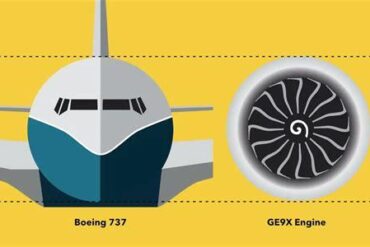
The engine’s scale alone is staggering. Its front fan measures an incredible 134 inches in diameter, making it wider than the fuselage of some regional jets. Designed to generate roughly 134,300 pounds of thrust, the GE9X dramatically surpasses the output of engines powering narrowbody aircraft such as the Boeing 737 MAX. The sheer size of the engine reflects Boeing’s ambition for the 777X program: carry more passengers farther while consuming significantly less fuel than older long-haul aircraft.
Building an engine this large, however, has proven far more difficult than anticipated. Engineers were tasked with squeezing maximum efficiency from an ultra-high-bypass turbofan while simultaneously reducing emissions, operating temperatures, and maintenance costs. Every gain in efficiency pushed the engine closer to engineering limits rarely explored in commercial aviation. The result has been a prolonged development cycle marked by redesigns, certification delays, and reliability concerns that continue to shadow the program.

Why The GE9X Engine Became Such A Massive Engineering Challenge
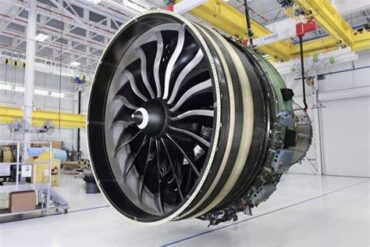
The GE9X was never intended to be an ordinary engine upgrade. It introduced lightweight composite fan blades, ceramic matrix composite materials capable of handling extreme heat, and an advanced combustion system engineered for lower fuel consumption. These technologies promised major improvements in airline economics, but integrating them into a reliable commercial engine created layers of complexity that only became fully apparent during testing.
One of the most persistent issues reportedly involved a critical internal engine seal tied to durability concerns. Even relatively small component failures inside a turbofan can become major certification obstacles when airlines expect engines to operate reliably for thousands of flight hours across extreme environments. Engineers have spent years refining internal systems to ensure the engine can consistently meet the safety and longevity standards demanded by regulators and global carriers.
The delays surrounding the GE9X also mirror the broader struggles of the 777X program itself. Boeing originally envisioned the aircraft entering service years ago, but certification setbacks, regulatory scrutiny, and technical hurdles repeatedly forced timelines further into the future. The engine’s certification process alone stretched well beyond initial expectations, despite testing beginning in 2016.

The Pressure Facing Boeing And GE Aerospace
For both Boeing and GE Aerospace, the GE9X represents far more than a single engine program. It is a high-stakes test of technological leadership in the fiercely competitive long-haul market. Airlines investing in the 777X expect transformational efficiency gains, especially as fuel costs and environmental pressures continue reshaping the aviation industry.
Despite years of setbacks, the companies remain confident the aircraft and engine combination will eventually fulfill its promise. If successful, the GE9X could redefine performance expectations for large commercial aircraft and become the benchmark for future ultra-efficient jet propulsion. Until then, the world’s biggest commercial jet engine remains an extraordinary example of how pushing aviation technology to new extremes often comes with years of unexpected turbulence.