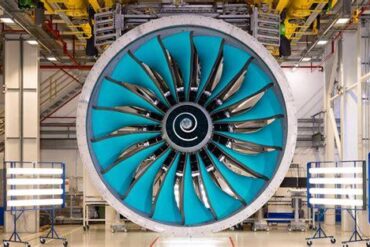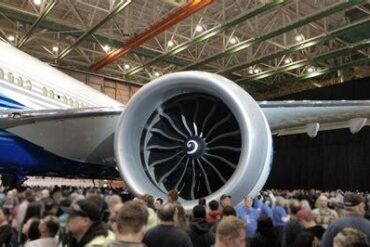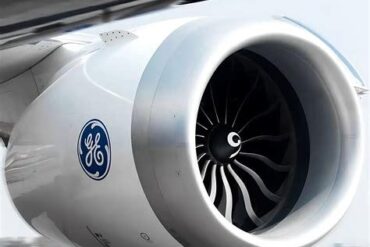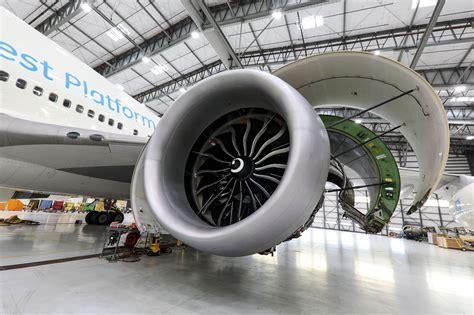
The GE9X, the most powerful and physically largest commercial jet engine ever built, is preparing to clear its final technical hurdle before entering service: a second round of dust-ingestion testing. This is a critical phase in the engine’s path to full operational status on Boeing’s long-awaited 777X aircraft. As aviation engineering faces increasing scrutiny over durability and lifecycle performance, GE Aerospace’s focus on replicating real-world wear conditions sets a new benchmark for turbine reliability.
After completing 1,600 cycles of dust-ingestion tests in 2022 with no adverse findings, GE Aerospace initiated a second, even more rigorous round of testing, announced on May 28, 2025. These trials represent a pivotal milestone in certifying the engine’s resilience against one of the most persistent and damaging environmental threats—airborne particulates, especially in regions like the Middle East and South Asia, where dust and sandstorms are routine hazards.
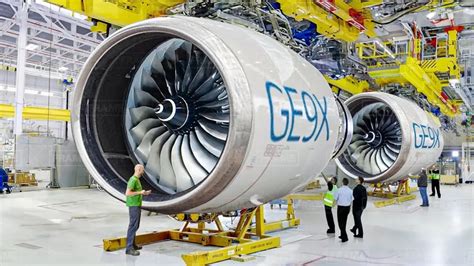
The GE9X: An Engineering Giant Poised to Power the 777-9
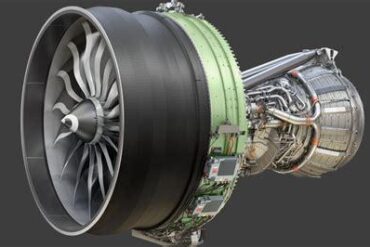
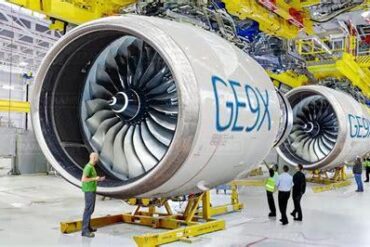
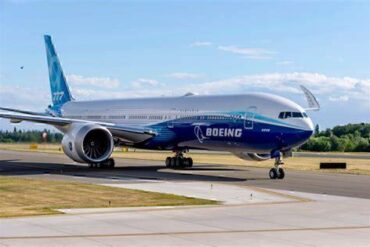
At a staggering 134 inches in fan diameter, the GE9X engine isn’t just the largest turbofan ever constructed; it’s also the most efficient in its thrust class. Delivering up to 105,000 pounds of thrust, this technological colossus was specifically designed for the Boeing 777-9, the flagship model of the next-generation 777X program.
The GE9X is a product of advanced materials science and cutting-edge aerodynamic design. It incorporates ceramic matrix composites (CMCs), carbon-fiber fan blades, and a high bypass ratio of 10:1, which collectively enhance fuel efficiency while reducing emissions. The engine has already clocked over 17,000 hours of operation and 27,000 simulated flight cycles during its development phase.
GE’s decision to subject the GE9X to dust-ingestion testing prior to entry into service is a departure from conventional engine certification sequences. Traditionally, dust resistance was evaluated post-certification or during in-service operation. This proactive shift indicates a deliberate strategy to avoid the reliability issues that have plagued earlier GE models like the GE90 and GEnx, as well as rival offerings from Rolls-Royce and Pratt & Whitney.
Why Dust Matters: The Hidden Menace in Jet Engine Durability
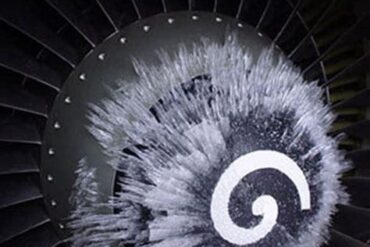
Dust and sand ingestion are more than just nuisances—they’re chronic durability threats. As engines ingest microscopic abrasive particles, these materials erode turbine blades, clog nozzles, coat combustor linings, and degrade heat-resistant shrouds. Over time, this translates into reduced performance, increased maintenance costs, and ultimately unscheduled groundings.
Historically, Middle Eastern and Indian operators have borne the brunt of dust-induced engine degradation. According to Safran CEO Olivier Andries, Leap engines—co-developed with GE—have suffered notably in Gulf and Indian airspace. These environmental stressors forced GE to respond with dedicated durability improvement kits, first rolled out for the CFM Leap-1A engines used on the Airbus A320neo.
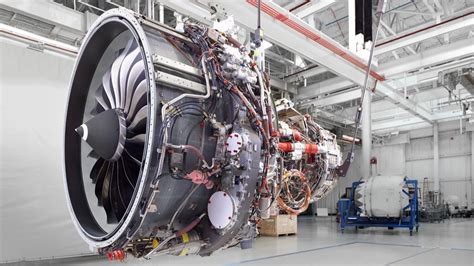
Learning from the Past: Engine Upgrades Across the GE Portfolio
GE’s experience with the Leap-1A fed directly into its upgrade strategy for other engines in its portfolio. Modifications for Leap-1B engines (fitted to Boeing 737 MAX aircraft) and retrofits to GEnx and GE90 powerplants now include:
- Redesigned high-pressure turbine blades and nozzles
- Modified shrouds and combustor liners
- Material system adjustments to resist erosive particulates
According to Joe Vinciquerra, GE Aerospace’s senior director of research, engineers previously underestimated the complexity of real-world dust interaction with exotic alloys and CMCs. The company now applies advanced materials science and dust simulation laboratories to more accurately predict and mitigate such degradation, building robust solutions directly into the engine’s core.
GE’s Dust Lab: Simulating the World’s Harshest Conditions
To understand dust effects with scientific precision, GE Aerospace has constructed specialized test chambers that mimic desert flight conditions. These setups inject engine-sized clouds of synthetic dust—designed to reflect regional particle compositions—into working turbines. The results offer engineers real-time feedback on wear progression and component longevity.
This testing protocol isn’t just a checkbox in the certification process. It’s reshaping how GE and other OEMs view turbine lifecycle management. By incorporating predictive durability modeling, GE aims to reduce maintenance intervals, extend component life, and enhance in-service reliability for long-haul operators in dusty regions.
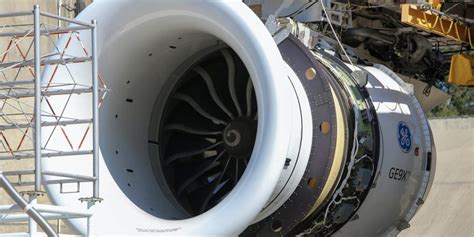
Global Competitors Scramble to Catch Up
GE isn’t the only manufacturer contending with dust-induced failures. Across the industry, leading engine OEMs have faced similar scrutiny:
- Rolls-Royce’s Trent 1000 family suffered turbine blade fatigue issues that led to grounded aircraft and redesigns. Its durability package now extends high-pressure blade life and aims to double maintenance intervals.
- Trent 7000 and Trent XWB-97 variants also received component upgrades, including combustor optimization.
- Pratt & Whitney’s PW1000G geared turbofan has faced durability questions, especially in high-cycle regional operations, prompting internal design reviews and customer support overhauls.
These industry-wide recalibrations signal a paradigm shift: engine survivability in hostile environments is now a design priority, not a reactive fix.
Strategic Importance: Reliability Equals Market Leadership
For GE, getting the GE9X right isn’t just about Boeing’s delivery timelines. It’s about preserving dominance in the twin-aisle market, where its engines already power most 777 and 787 aircraft. As Airbus and Rolls-Royce push forward with A350 variants and next-gen developments, engine performance, particularly in hot and dusty climates, will be a differentiator.
Boeing, still recovering from the 737 MAX crisis, depends on a smooth 777X rollout to regain long-haul market traction. Airlines operating in harsh environments—especially major Gulf carriers like Emirates, Qatar Airways, and Etihad—have placed large orders for the 777X. These operators are acutely aware of the maintenance realities posed by their geography.
An engine that fails prematurely under such conditions doesn’t just lead to mechanical issues—it risks contractual penalties, customer dissatisfaction, and brand damage. That’s why the dust-ingestion testing regime is far more than an academic exercise—it’s an existential necessity.
Looking Ahead: Production, Certification, and Entry into Service
GE began shipping production-conforming GE9X engines to Boeing in late 2024. These units are expected to be installed on final assembly 777-9 aircraft set for certification and customer delivery in 2025. With the dust-ingestion trials nearing completion, GE anticipates ramping up output in the second half of the year.
Once operational, the GE9X will become a foundational component of Boeing’s widebody resurgence strategy. Its performance in high-cycle, long-haul, and austere-environment scenarios will define not only its own legacy but influence future GE propulsion programs and maintenance contracts.
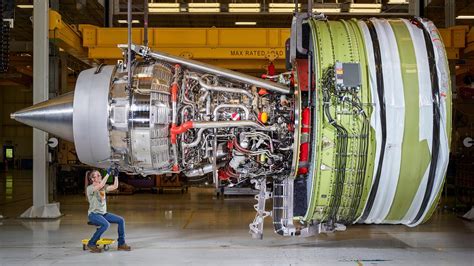
Conclusion: GE9X Sets the New Standard for Pre-Service Validation
The story of the GE9X is one of foresight and engineering excellence. By placing durability at the center of the engine’s development arc—and conducting rigorous dust-ingestion tests before entry into service—GE Aerospace is signaling a shift in industry priorities. The age of post-certification fixes is fading. In its place, real-world validation, material science innovation, and proactive lifecycle engineering are becoming the norm.
As the largest engine in the world prepares to lift the 777-9 into commercial skies, its quiet victories in the lab and desert simulators may prove just as important as the roar it produces at 35,000 feet.