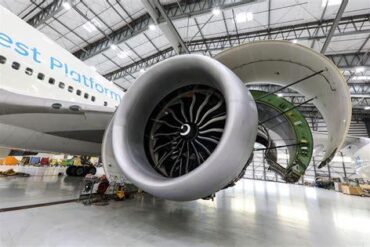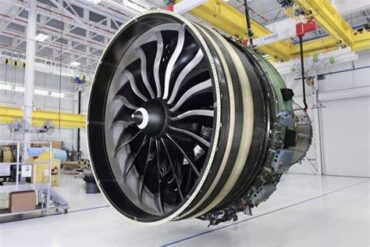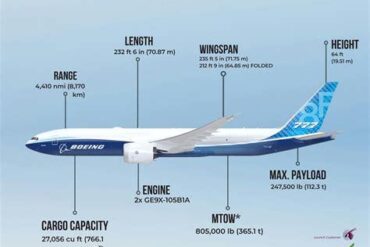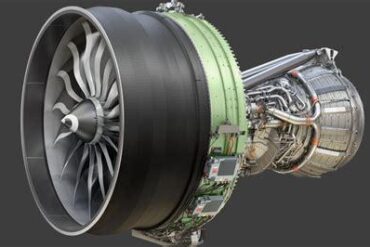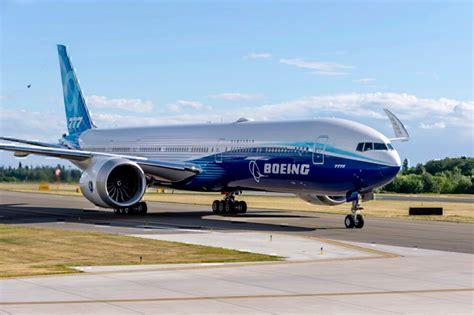
The GE9X engine, a cutting-edge propulsion system from GE Aerospace, is poised to enter commercial service alongside the Boeing 777-9, marking a critical advancement in widebody aircraft propulsion. With the 777-9 expected to debut in 2026, the GE9X stands at the forefront of next-generation aviation technology, combining high thrust, advanced materials, and superior fuel efficiency to meet the demanding needs of global airlines.
GE9X: Powering the Future of Widebody Jets
After a rigorous and exhaustive development and testing phase, the GE9X is now moving into the final stages of its journey toward entry into service (EIS). This monumental engine has been under development for more than a decade, culminating in its certification in 2020. Since then, it has accumulated more than 17,000 hours and 27,000 cycles of testing, including specialized trials like dust ingestion tests and ETOPS 3K endurance evaluations.
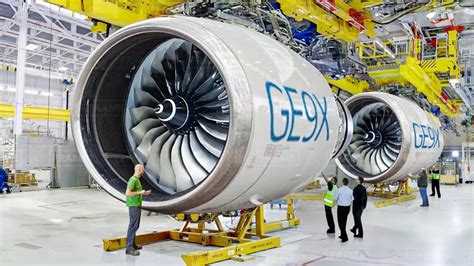
Production of the GE9X has officially begun, with deliveries to Boeing underway. A substantial production ramp-up is expected during the second half of 2025, aligning with the 777-9’s revised entry into service schedule. The delay in Boeing’s aircraft timeline has not slowed GE Aerospace’s momentum; instead, it has allowed further enhancement of logistics, maintenance infrastructure, and global readiness.
Technological Leap: Ceramic Matrix Composites (CMCs) and Efficiency
The GE9X represents a landmark in jet engine innovation, primarily through its extensive use of ceramic matrix composites (CMCs). These materials, pioneered and heavily invested in by GE Aerospace, have revolutionized the design and performance capabilities of high-thrust engines. With the same density as aluminum yet one-third the weight of titanium, CMCs maintain integrity under extreme temperatures, offering both weight reduction and thermal resilience that are essential for next-gen propulsion systems.
GE has spent more than $1.5 billion on developing CMCs and creating a dedicated supply chain. This includes the construction of a new facility for silicon carbide fiber production, a critical ingredient in the manufacture of these composites. Within the GE9X, over 107 CMC components are integrated across five major engine modules, showcasing an unprecedented adoption rate for advanced materials in a commercial engine.
This shift has enabled the GE9X to deliver 10% greater fuel efficiency compared to its predecessor, the GE90, making it the most fuel-efficient jet engine GE has ever produced. It is also the world’s largest and most powerful commercial engine, delivering up to 110,000 pounds of thrust, which is essential for the performance needs of the Boeing 777-9.
Engine Design: Streamlined, Durable, and Sustainable
One of the most visually and functionally significant aspects of the GE9X is its massive 134-inch fan diameter, composed of just 16 fourth-generation composite fan blades—a reduction from previous designs. This streamlined approach reduces drag while maintaining optimal airflow, aiding overall fuel economy and performance. The fan case and blades are made from carbon fiber composite materials, ensuring strength without sacrificing weight.
These design enhancements go beyond performance metrics. With the focus on sustainability, the GE9X also reduces carbon emissions and noise levels, crucial for meeting stringent international environmental standards and improving airport community acceptance.

Boeing 777-9: The GE9X’s Launch Platform
The GE9X is specifically engineered for the Boeing 777-9, the lead variant of Boeing’s advanced 777X aircraft family. As the spiritual successor to the 777-300ER, the 777-9 combines the capacity and range of widebody jets with modern aerodynamic improvements like folding wingtips and advanced avionics. Boeing’s plan to replace aging 777 models with the 777X is centered around both operational economics and passenger experience enhancements.
Originally slated for service in 2025, the first commercial deployment of the 777-9 has been delayed to 2026, primarily due to a strategic reassessment of production priorities amid industry-wide disruptions. Boeing cited labor challenges, including a strike by the International Association of Machinists and Aerospace Workers (IAM), and shifting resource allocations as key factors in this postponement.
Despite the delays, enthusiasm for the aircraft remains high. As of April 2025, Boeing has logged 521 orders for the 777X series, with the vast majority earmarked for the 777-9. The remaining orders are distributed between the 777-8 passenger variant and the 777-8F freighter, which will debut later in the product cycle.
Global MRO Support and Entry Into Service Preparation
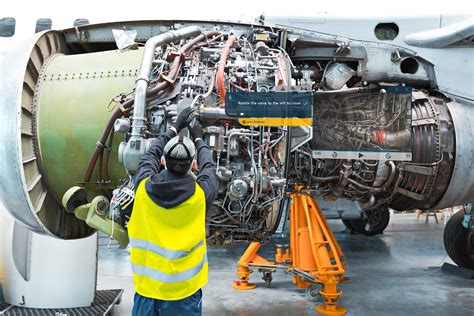
To ensure the GE9X enters service seamlessly, GE Aerospace has invested over $1 billion in maintenance, repair, and overhaul (MRO) infrastructure. This includes extensive global training programs, new tooling systems, and upgrades to existing facilities across its vast support network. The goal is to guarantee readiness not only for airline operators but also for third-party maintenance providers and regulatory bodies.
These investments underscore GE’s commitment to lifecycle support. The GE9X program includes digital twins, advanced predictive maintenance analytics, and remote engine diagnostics, all built into its services ecosystem. These tools allow real-time monitoring of engine health, enabling preemptive repairs and reducing unplanned downtime.
Flight Testing and Certification Milestones
Boeing’s rigorous flight test program for the 777-9 continues in tandem with engine certification support from GE Aerospace. Test aircraft equipped with the GE9X are currently undergoing multiple system validation trials, including high-speed taxi tests, cold weather evaluations, and transcontinental range trials.
The engine’s ETOPS 3K trials, simulating 3,000 cycles of extended operations over water, represent one of the final certification gates. GE9X has passed these endurance tests, confirming its ability to maintain high reliability and efficiency over ultra-long-haul routes. Additional ingestion tests, simulating sand, volcanic ash, and other airborne particulates, have also been successfully completed, ensuring durability in diverse environmental conditions.
Market Implications and Competitive Landscape
As the GE9X nears service entry, its introduction is expected to reshape the competitive landscape in the large twin-engine aircraft segment. Boeing’s 777-9, powered exclusively by the GE9X, is strategically positioned to capture market share from older aircraft types like the Airbus A340, the Boeing 747-400, and even earlier 777 variants. Airlines focused on fleet modernization, fuel savings, and environmental goals are already lining up to adopt this platform.
This alignment between aircraft and engine is not merely technical but economic. With rising fuel prices and tighter emissions regulations, the GE9X offers a clear pathway to operational sustainability without sacrificing performance. As long-haul international routes rebound, carriers will seek engines that combine reliability, range, and economy—criteria where the GE9X excels.
Looking Ahead: 2026 and Beyond
With the GE9X ready for commercial use and the Boeing 777-9 in the final stages of certification, the stage is set for a transformative moment in aviation. As deliveries of both aircraft and engines ramp up through late 2025 into early 2026, the industry anticipates a new benchmark for performance and efficiency in long-haul aviation.
GE Aerospace’s success with the GE9X underscores the value of long-term investment, material science breakthroughs, and customer-centric service ecosystems. For airlines, the payoff is clear: reduced fuel burn, lower operating costs, and a propulsion system designed for the challenges of 21st-century aviation.