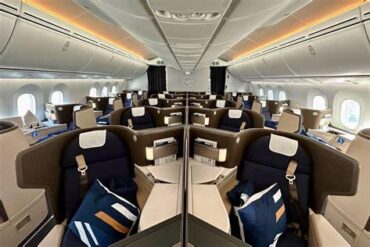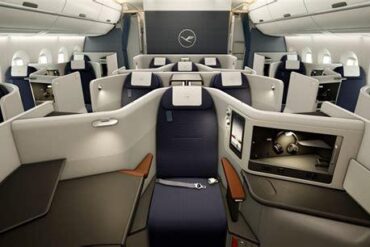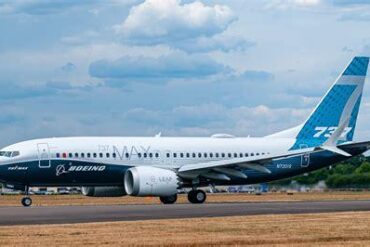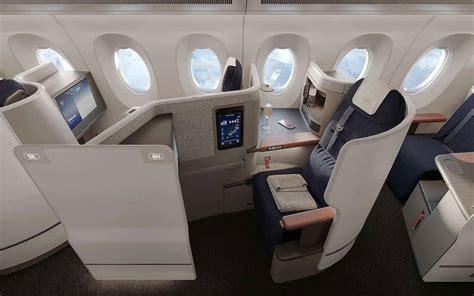
German flag carrier Lufthansa has reached a decisive milestone in the long-delayed rollout of its Boeing 787-9 Allegris Business Class cabin, confirming that it is now selling 25 of the 28 premium seats installed onboard its Dreamliners. After months of regulatory certification hurdles that forced the airline to operate its flagship aircraft with most of the new cabin blocked from sale, the premium product is finally approaching full commercial availability. Bookings are now open for travel beginning April 15, 2026, positioning Lufthansa to capitalize on peak summer demand with a nearly complete Allegris offering.
The development marks a strategic turning point. Since entering service in October 2025, Lufthansa’s 787-9 aircraft have flown with only four Allegris suites available for purchase, leaving the remaining 24 business class seats effectively empty despite strong demand. Certification bottlenecks — a familiar headache in complex cabin programs — prevented the airline from monetizing one of the most ambitious seat launches in its history. With regulatory approval now granted for the majority of seats, Lufthansa is finally able to unlock the revenue potential of its new-generation cabin.
Certification Breakthrough Unlocks Majority of Allegris Cabin
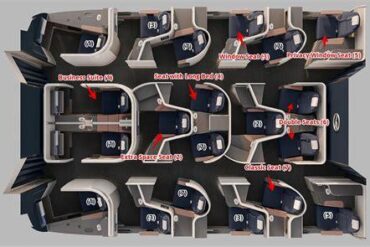
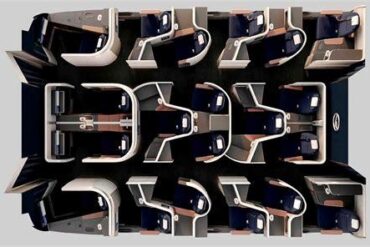
The airline confirmed that “further important milestones in the certification process” were achieved in recent weeks, clearing the path for expanded sales. Of the 28 Allegris seats installed on each Boeing 787-9, only three seats remain blocked pending final approval. These include 2A and 2K (window seats) and 2E (the throne-style center seat) located in the second row behind the front business class suites.
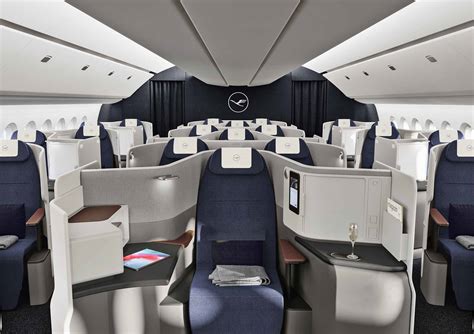
The certification delay has been a slow-moving saga, reflecting the technical and regulatory complexity of introducing a fully customized premium seat platform on a new aircraft type. Modern business class seats are no longer simple recliners; they integrate privacy doors, advanced electronics, heating and cooling systems, adjustable lumbar technology, and multiple safety redundancies. Every configuration must meet strict airworthiness standards before commercial approval is granted. Even minor modifications can trigger additional review cycles.
Jens Ritter, Chief Executive Officer of Lufthansa Airlines, described the development as an “important milestone,” emphasizing that the expanded approval enables significantly more passengers to book the airline’s top-tier product from Frankfurt. For Lufthansa, this is not merely about comfort — it is about restoring competitive positioning in a fiercely contested premium transatlantic and intercontinental market.
What Makes the Allegris Business Class Different
The Allegris cabin concept represents Lufthansa’s most significant product overhaul in decades. Unlike traditional business class cabins that offer a single standardized seat type, Allegris introduces up to seven distinct seating options within the same cabin. This modular approach allows passengers to tailor their experience — for a fee — based on privacy, space, or sleeping comfort preferences.
Passengers booking the Boeing 787-9 Allegris cabin can now select:
- Business Class Suite with sliding privacy doors
- Extra Space Seat with additional legroom
- Privacy Seat positioned by the window
- Extra Long Bed extending to 2.20 meters
- Classic Seat (standard option, no additional charge)
Select seats feature integrated heating and cooling systems, an uncommon amenity in business class cabins and one designed to differentiate Lufthansa in a crowded premium market. The 2.20-meter sleeping surface option, in particular, targets taller travelers who often find conventional lie-flat beds restrictive.
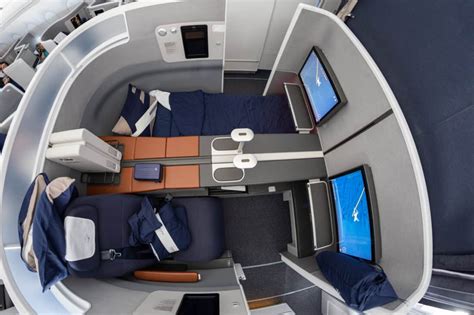
The pricing model reflects a growing industry trend: base business class fares remain competitive, while specialized seating configurations generate ancillary revenue. This strategy allows airlines to maximize cabin yield without formally increasing fare levels.
From Airbus A350 to Boeing 787-9: Expanding the Allegris Fleet
Although the 787-9 rollout has faced delays, Allegris itself is not new. The product first entered service in May 2024 aboard Lufthansa’s Airbus A350 fleet, which also introduced the airline’s redesigned Allegris First Class suite. The Boeing 787-9 marks the first time the product has been integrated into a new aircraft type within Lufthansa’s long-haul fleet.
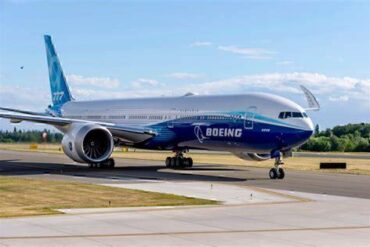
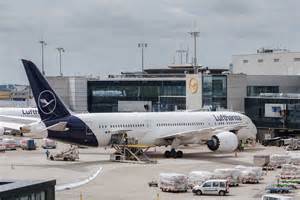
To date, Lufthansa has taken delivery of eight Boeing 787-9 Dreamliners configured with the Allegris cabin. Despite incomplete certification, these aircraft have been operating long-haul routes out of Frankfurt Airport (FRA). The airline has an additional 21 Dreamliners on order, bringing the total planned fleet to 29 aircraft, with all deliveries expected by the end of 2027.
Lufthansa’s 787-9 Summer 2026 Route Network
With expanded seat sales now authorized, Lufthansa is preparing to deploy its nearly full Allegris cabin across a diverse long-haul network. Initial summer destinations include:
- Austin (AUS)
- Rio de Janeiro (GIG)
- Bogotá (BOG)
- Cape Town (CPT)
- Shanghai (PVG)
- Hyderabad (HYD)
- Hong Kong (HKG)
Beginning in June, New York JFK and Los Angeles will join the network, followed by Delhi in July.
This route selection reflects a blend of high-yield corporate markets, strong leisure demand, and strategically important intercontinental connections. By synchronizing expanded Allegris availability with the start of the summer travel season, Lufthansa positions itself to recover premium revenue that has been partially constrained since October.
Strategic Implications for Lufthansa’s Premium Strategy
The slow certification process has undoubtedly frustrated Lufthansa executives and customers alike. However, the broader context matters. The airline is in the midst of a comprehensive fleet renewal program, replacing aging long-haul aircraft with fuel-efficient Dreamliners and Airbus A350s. The 787-9 reduces fuel burn by approximately 20–25% compared to older-generation aircraft, while the Allegris cabin aims to elevate Lufthansa’s premium perception against competitors such as British Airways, Air France, and Qatar Airways.
By unlocking 25 of 28 business class seats, Lufthansa effectively restores the economic viability of the aircraft’s premium cabin. Even a handful of blocked seats can significantly affect profitability in business class-heavy configurations. The near-complete certification therefore represents not just operational progress but a measurable improvement in revenue performance.
The remaining three seats await final regulatory clearance, and whether they will be approved before April remains uncertain. Yet the broader picture is clear: Lufthansa’s Allegris Dreamliner program has moved from constrained showcase to scalable premium product. For passengers seeking customizable comfort across long-haul routes, the airline’s flagship cabin is finally becoming fully accessible — just in time for summer skies to fill.