Europe’s most prominent low-cost carriers are preparing for a major re-entry into the Ukrainian aviation market, as diplomatic developments signal that a long-awaited peace agreement between Ukraine and Russia could be finalized in the coming weeks. This strategic anticipation comes amid expectations of a massive resurgence in air travel demand, driven by returning citizens, foreign investment, and a wave of global curiosity in a post-war Ukraine.
As the skies over Ukraine inch closer to reopening for commercial aviation, major players like Ryanair, Wizz Air, and easyJet are moving swiftly to secure their positions. These carriers, known for their agility and low fares, aim to capitalize on a potential aviation renaissance in a country eager to reconnect with the world.
Wizz Air and Ryanair Lead the Charge Back to Ukraine
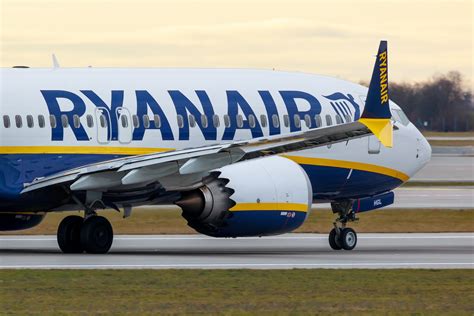
Wizz Air, which held the title of Ukraine’s largest foreign airline prior to the 2022 invasion, has announced it will base up to 15 aircraft in Ukraine within two years of a peace deal, with a vision to increase that number to 50 within seven years. The airline is making no secret of its ambition to become a dominant force in Ukraine’s post-war airspace.
Meanwhile, Ryanair has also declared its readiness to reestablish Ukrainian operations with extraordinary speed. The airline asserts it can launch flights within two weeks of any peace agreement. Ryanair executives have already conducted multiple inspections of Ukrainian airports and have laid out a blueprint to serve four million annual passengers, a sharp increase from its 1.5 million passengers in 2021.
“We have planned for this. As soon as the airspace opens, we are going to be very quick to re-establish ourselves. Re-opening would be a significant opportunity for us,” said Wizz Air CEO József Váradi.
Catastrophe Tourism: Ukraine’s Unexpected Visitor Surge
Beyond returning residents, industry insiders anticipate that “catastrophe tourism” will become a notable phenomenon in Ukraine. This term, describing the practice of visiting former conflict zones, mirrors the spike in travel to Berlin after the fall of the Berlin Wall. Váradi believes the post-conflict landscape will attract millions of curious global tourists eager to witness Ukraine’s transformation firsthand.
Additionally, Ukraine’s path to recovery promises to be an enormous undertaking. The United Nations estimates that $524 billion will be needed to rebuild the country over the next decade, based on damage assessments through the end of 2024. This rebuilding effort is expected to stimulate vast economic activity, creating new opportunities and drawing both business travelers and expatriates back to the region.
The return of Ukraine’s diaspora is also expected to drive early traffic. With more than 7 million Ukrainian nationals displaced across the globe, many will likely seek to return home by air once safety is reestablished. Before the war and pandemic, Visit Ukraine reported that 15 million foreign tourists visited the country in 2019, a figure expected to surge again once peace is restored.
easyJet Eyes First-Time Entry into Ukrainian Market
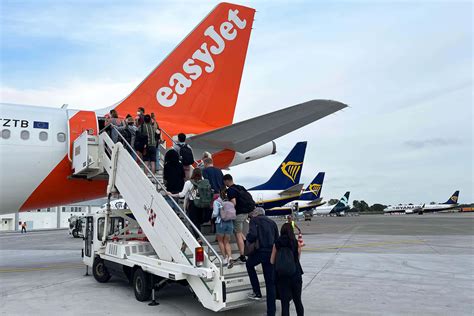
Unlike its competitors, easyJet has never previously flown to Ukraine — but that may soon change. CEO Kenton Jarvis recently stated that Ukraine will become “Europe’s largest building project” and expressed confidence in the country’s ability to quickly resume air connectivity. easyJet’s potential entry into the Ukrainian market would likely begin with routes from London Gatwick, expanding later to Liverpool and Belfast.
Jarvis emphasized that Ukraine’s pre-existing aviation infrastructure provides a solid foundation for restarting services, with the potential for rapid route expansion once stability returns. His remarks underscore the growing consensus in the industry that Ukraine is poised to become one of Europe’s most dynamic air travel hubs in the coming decade.
Kyiv Boryspil and Ukraine’s Infrastructure Readiness
The country’s main international hub, Kyiv Boryspil International Airport (KBP), remains in a state of one-month readiness, according to airport officials. However, they assert the airport could resume commercial service in less than a few weeks if needed. This level of preparedness reflects Ukraine’s strategic foresight and its commitment to accelerating reintegration with the global economy.
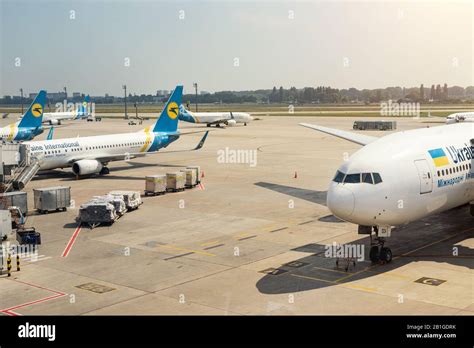
Meanwhile, Ukraine International Airlines (UIA), the national carrier, remains in operational hibernation. Its future remains uncertain amid the influx of aggressive competition from well-resourced low-cost giants poised to dominate the reopened market.
A New Era for Ukrainian Aviation
As Europe’s low-cost titans race to stake their claim, the return of commercial aviation to Ukraine is more than just a resumption of flights. It signals a symbolic reawakening of a nation striving to rebuild, reconnect, and rise from the ashes of conflict. The convergence of human resilience, economic ambition, and airline strategy positions Ukraine as the next great frontier in European air travel.
With every aircraft that touches down on Ukrainian soil, the world will witness not just the revival of an air route, but the rebirth of a nation — one flight at a time.