After years of development hurdles, regulatory delays, and intense scrutiny, the Boeing 777X program is finally accelerating toward its long-awaited commercial debut. With the 777-9 slated to enter service in 2026, followed by the 777-8 Freighter in 2028, Boeing is now reasserting its dominance in the widebody aircraft market. Speaking at the Paris Air Show, company executives presented a confident new roadmap — a declaration that the next generation of Boeing’s flagship is almost ready to fly.
Boeing 777X: A Decade in the Making
Launched with fanfare at the 2013 Dubai Airshow, the Boeing 777X program includes three variants: the 777-9, the 777-8, and the 777-8F freighter. It promised an evolutionary leap from Boeing’s successful 777-300ER and 747 freighter platforms. But the road since has been anything but smooth. Between technical redesigns, COVID-era supply chain disruptions, and the lingering shadow of the 737 MAX crisis, the 777X suffered multiple delays.
Today, after more than a decade, the program’s first model — the 777-9 — is poised to become Boeing’s largest commercial airliner ever built.
FAA Support and Technical Breakthroughs Drive New Momentum
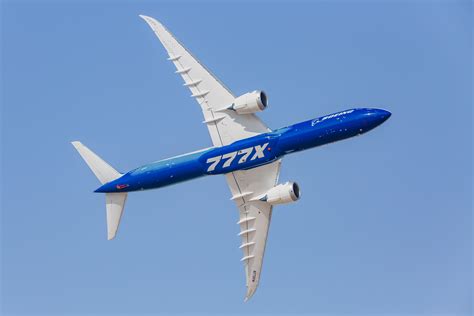
Crucially, Boeing’s revitalized momentum stems from recent breakthroughs in both engineering and certification. The Federal Aviation Administration (FAA) granted approval for formal flight testing in July 2024, a key milestone that had been delayed by four years.
This approval followed extensive scrutiny — particularly after an alarming thrust link issue was discovered during test flights. The titanium thrust link, which connects the aircraft’s engines to the fuselage, was found to suffer from cracks due to vibration caused by airflow imbalances around a cooling port. Boeing’s response was decisive:
- Redesigned the thrust link with thicker titanium
- Closed airflow gaps to minimize resonance
- Added reinforced thermal insulation
Since implementing these fixes, no recurrence of the issue has been reported during ongoing test campaigns.
Boeing 777-9: The Crown Jewel of the Widebody Market
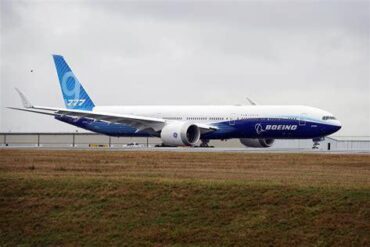
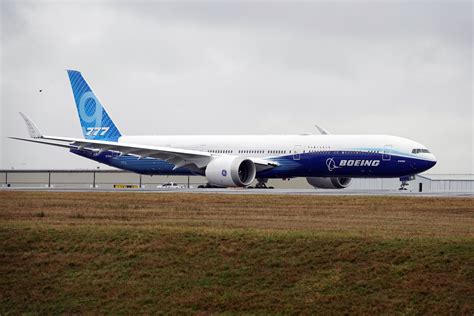
The flagship 777-9 will lead the charge in 2026. Measuring over 76 meters in length, it will be 3 meters longer than the 777-300ER and seat approximately 30 more passengers. Its folding wingtips, made possible by the aircraft’s record-breaking 71.8-meter wingspan, allow it to access standard airport gates while benefiting from enhanced fuel efficiency during cruise.
Performance and efficiency gains are central to the 777X’s appeal. Powered by General Electric’s GE9X engines, the 777-9 is expected to consume 10% less fuel and produce 10% lower emissions per seat compared to its predecessors. These numbers position the aircraft as a long-range workhorse with environmental benefits — a significant selling point in a carbon-conscious industry.
Redefining the Passenger Experience
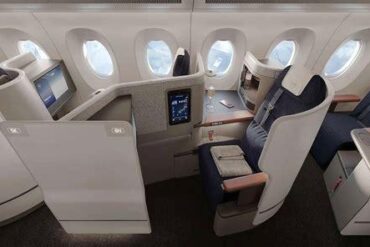
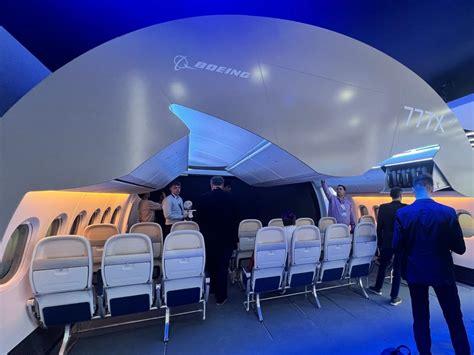
Beyond technical specs, the 777X family offers a revamped cabin experience, crafted to elevate long-haul travel. Innovations include:
- Wider seats that enhance comfort in economy and business class configurations
- Larger, higher-placed windows, precisely aligned to eye level for improved passenger views and natural light
- Redesigned overhead stowage bins, offering more space without impeding cabin headroom
These features come together to provide a roomier, quieter, and more visually appealing cabin — a response to evolving passenger expectations and competitive offerings from Airbus’ A350.
Meanwhile, the 777-8, arriving later in the decade, will boast a slightly shorter fuselage but leverage its interior redesign for efficient seat configuration. It’s engineered for ultra-long-range missions, capable of reaching over 16,000 km, making it ideal for routes like Sydney–New York or Dubai–Los Angeles.
777-8F: Boeing’s Next Freight Titan
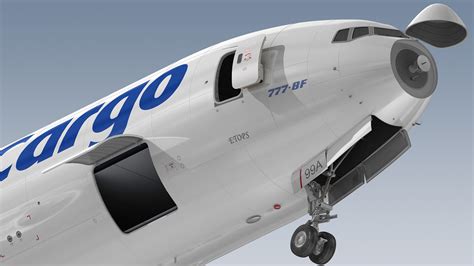
Boeing also has ambitious plans for the cargo segment. The 777-8 Freighter (777-8F) is designed to be the heir apparent to the aging 747-400F fleet. With a 7-meter longer fuselage than the current 777F, it will carry seven additional cargo pallets, providing a 25% boost in volume.
Targeting a 2028 entry into service, the 777-8F is expected to become the backbone of global cargo operations for decades. It combines payload capacity with the fuel efficiency of a next-gen widebody — a rare combination in the freighter world.
Manufacturing Alignment and Certification Strategy
To meet its new timeline, Boeing is strategically aligning both manufacturing output and regulatory workflows. Speaking at the Paris Air Show, Justin Hale, Boeing’s customer lead for the 777X, confirmed that all major production and certification benchmarks are being synchronized.
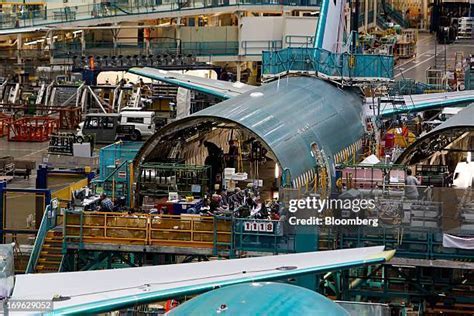
The manufacturer’s production site in Everett, Washington, continues to ramp up assembly efforts, while systems testing, cabin installation, and GE9X engine integration move forward in tandem. Under FAA oversight, Boeing now aims to complete Type Inspection Authorization (TIA) flights — the final hurdle before certification is granted.
Confidence Restored but Concerns Remain
Despite renewed momentum, not everyone is convinced. Boeing has garnered 535 orders from 14 airlines, including flagship customers such as Emirates, Lufthansa, Qatar Airways, and Singapore Airlines. However, some voices in the leasing community remain wary.
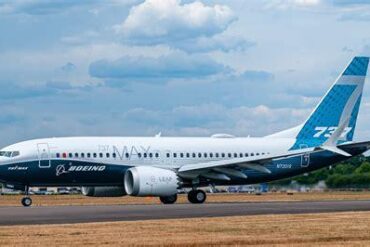
John Plueger, CEO of Air Lease Corporation, has openly questioned the secondary market viability of the 777X, warning that a lack of long-term resale interest could dampen leasing enthusiasm. Air Lease has notably avoided placing orders for any unapproved Boeing models, including the 737 MAX 7, MAX 10, and 777X family.
Plueger cautioned that further delays could “only hurt” the program’s commercial momentum, especially in a market where airlines are diversifying fleets and shifting to modular flexibility.
A Strategic Play in Boeing’s Long-Term Portfolio
Nevertheless, Boeing views the 777X not only as a product but as a strategic cornerstone in its long-term commercial portfolio. With Airbus pushing forward with the A350-1000, competition for ultra-long-haul supremacy is heating up. The 777X is designed to outmatch rivals with higher passenger counts, lower seat-mile costs, and flexible performance profiles that adapt to passenger or freight demands.
CEO Kelly Ortberg noted that while certification progress is strong, Boeing must remain diligent. “We’ve cleared major obstacles, but more work lies ahead,” he said. The emphasis now is on certification efficiency, quality control, and customer confidence.
The aircraft also serves as a launchpad for future innovations, including advanced avionics, cockpit digitization, and potential hydrogen or hybrid power integrations beyond 2035. In this light, the 777X is not just an aircraft — it’s an architectural platform for Boeing’s next generation.
Looking Ahead: A Delicate Balance of Risk and Opportunity
The 777X’s road to reality has been longer than anticipated, but with regulatory momentum building and engineering issues largely resolved, Boeing is at the cusp of delivering its most advanced widebody ever. The coming months will be critical.
Will Boeing hold its 2026 target for the 777-9? Can it reassure leasing companies and close remaining certification gaps? Will airlines continue betting on bigger jets in a post-pandemic world increasingly interested in point-to-point service?
The answers will shape not only the future of Boeing’s commercial business but the very architecture of long-haul aviation for the next 30 years. For now, the world watches as the 777X edges closer to the skies — a bold step toward a new era of flight.