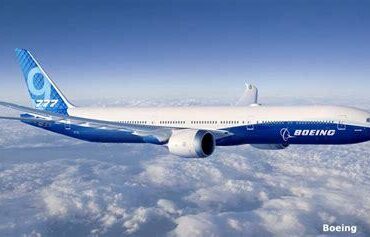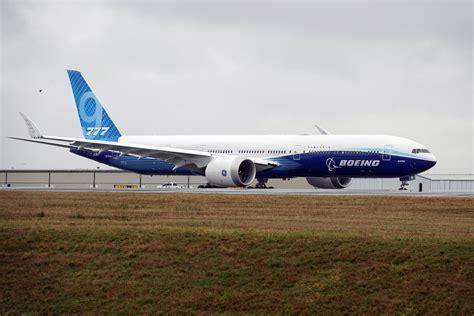
The unfolding story of the Boeing 777X is one of modern aviation’s most intriguing paradoxes: a next-generation widebody aircraft that exists in significant numbers, yet remains grounded by certification delays. More than two dozen aircraft—some estimates now suggest over 30—have already been assembled, painted in their distinctive teal protective coating, and parked across Boeing’s facilities. At first glance, the strategy seems counterintuitive. Why would a manufacturer commit billions of dollars to building aircraft that cannot yet be delivered?
The answer lies in a calculated blend of industrial momentum, regulatory necessity, and long-term delivery strategy. The 777X is not simply another aircraft program; it is Boeing’s flagship bet on the future of long-haul travel, designed to replace aging widebodies and redefine efficiency in the segment dominated by the 777-300ER. The stakes are immense, and so is the logic behind building early.
A Growing Fleet in Storage: The Reality Behind 777X Production
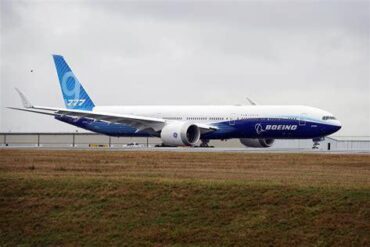
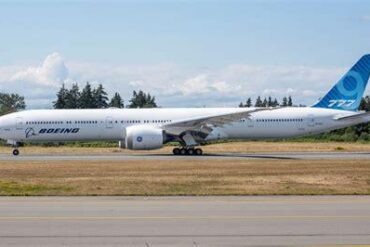
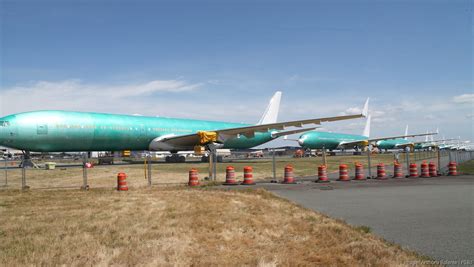
Despite the absence of certification, the number of completed 777X aircraft continues to rise steadily. Initial reports confirmed at least 26 completed airframes, but satellite imagery and on-site observations around Boeing’s Paine Field facility now indicate that the total has likely exceeded 30. These aircraft are parked in unconventional configurations—lined up along taxiways, stationed near factory ramps, and even occupying repurposed parking areas.
The visual alone is striking: rows of advanced widebody jets, each representing years of engineering progress, waiting silently for regulatory approval. Most remain unpainted, clad in a greenish-blue primer designed to protect the fuselage during extended storage. Only a handful—primarily test aircraft—carry full liveries.
This growing inventory is not accidental. It reflects a deliberate production strategy that began years ago, when Boeing anticipated a much earlier certification timeline. At that time, ramping up production ahead of approval was essential to meet expected delivery schedules. When delays emerged, the aircraft kept coming.
Certification Demands Fully Built Aircraft—Not Prototypes
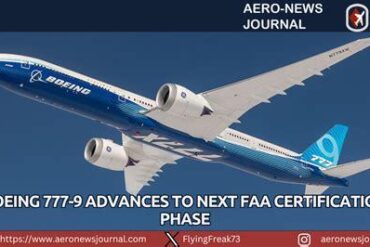
Aircraft certification is not a theoretical exercise. It requires real, fully assembled, production-standard jets undergoing exhaustive testing under the supervision of regulators like the Federal Aviation Administration (FAA). For the 777X, this process has been particularly rigorous.
Five dedicated test aircraft form the backbone of the certification campaign. These jets are not prototypes in the traditional sense—they are fully operational airliners subjected to extreme evaluation. Structural tests push the airframe to its limits, while flight campaigns explore performance across every conceivable operating condition.
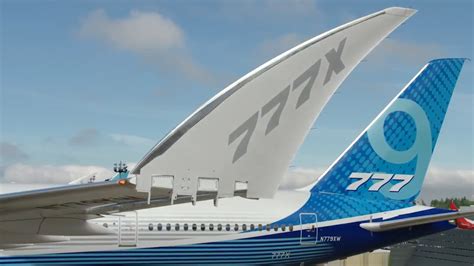
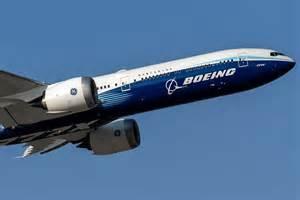
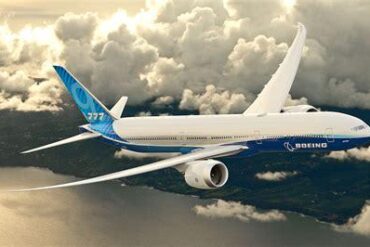
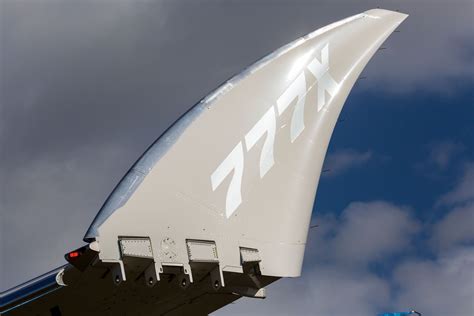
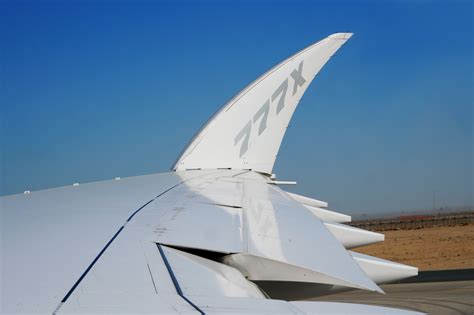
Central to this testing is the aircraft’s most distinctive innovation: its folding wingtips. Designed to allow a wider wingspan in flight while maintaining compatibility with existing airport gates, this feature introduces new layers of mechanical and regulatory complexity. Every movement, redundancy system, and failure scenario must be validated.
Equally critical are the massive GE9X engines—the largest commercial jet engines ever built. Their performance, efficiency, and durability must meet stringent standards before certification can proceed. Combined with advanced avionics and flight control systems, the 777X represents a technological leap that demands equally extensive validation.
Production Momentum: Why Boeing Couldn’t Afford to Stop
Halting production entirely during certification delays might seem logical, but in reality, it would create far greater complications. Aircraft manufacturing is a deeply interconnected industrial process involving thousands of suppliers, highly specialized labor, and tightly synchronized assembly lines.
Stopping and restarting such a system is not like flipping a switch. It risks disrupting supply chains, losing skilled workforce continuity, and increasing long-term costs. By continuing to build aircraft, Boeing preserves production rhythm and avoids the inefficiencies of a cold restart.

Equally important is the time required to build a widebody aircraft. Even under optimal conditions, assembling a 777-class jet takes roughly three months from major component integration to final testing. If Boeing had waited for certification before resuming production, airlines would face additional delays extending well beyond the already postponed timeline.
In other words, building ahead is not wasteful—it is insurance against an even longer backlog.
Pre-Built Aircraft as a Strategic Delivery Advantage
When certification finally arrives, speed will matter. Airlines that have waited years for the 777X will expect rapid deliveries, especially those relying on the aircraft for fleet renewal and network expansion. Having a stockpile of completed jets allows Boeing to respond immediately.
Instead of delivering the first aircraft months after certification, Boeing can begin handing over jets within weeks. This compressed delivery timeline is crucial for maintaining customer confidence and fulfilling contractual commitments.
The alternative would be far less appealing: a scenario in which certification is achieved, but customers must wait months—or even years—for production to catch up. In a competitive industry where timing directly impacts revenue, such delays would be unacceptable.
Not All 777Xs Are Created Equal: The Evolution of Production Standards
An unexpected twist in the 777X story is that the oldest aircraft will not be the first delivered. Early production units were built based on preliminary certification assumptions—essentially a snapshot of the program’s expected requirements at that time.
Since then, the certification process has evolved. Regulatory scrutiny increased significantly following the 2019 737 MAX crisis, leading to more stringent oversight and updated standards. As a result, newer 777X aircraft incorporate refinements and modifications that align more closely with final certification requirements.
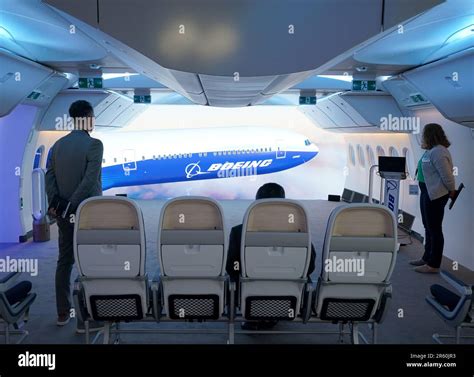
This creates a tiered reality within the existing fleet. Newer aircraft are closer to delivery-ready condition, while older ones require retrofits—ranging from software updates to hardware adjustments. Boeing has confirmed that these earlier units will undergo “change incorporation” before entering service.
The implication is clear: production has not been static. It has evolved alongside the certification process, creating a dynamic inventory where not all aircraft are equally ready for delivery.
Launch Customers and Delivery Pressure
Among the airlines awaiting the 777X, Lufthansa stands as the launch customer. Its early commitment to the program dates back to 2013, when it placed the first order for the aircraft. Since then, it has expanded its order and aligned its long-haul strategy around the jet.
But Lufthansa is far from alone. Emirates, the largest customer, has ordered hundreds of 777X aircraft, making the program central to its future fleet. Qatar Airways, along with major Asian carriers, also holds significant orders.
The pressure on Boeing is immense. These airlines have structured network plans, fleet retirements, and passenger experience upgrades around the 777X’s capabilities. Every delay forces adjustments—sometimes costly ones.
Delays That Reshaped Airline Strategies
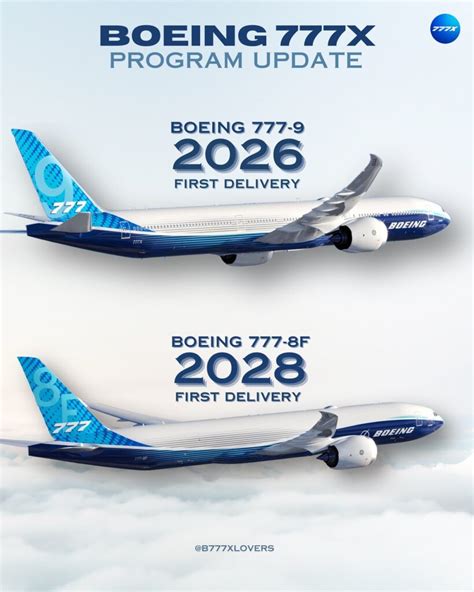
The prolonged certification timeline—now stretching toward a potential 2027 entry into service—has already reshaped the global aviation landscape. Airlines that once depended on the 777X have been forced to adapt.
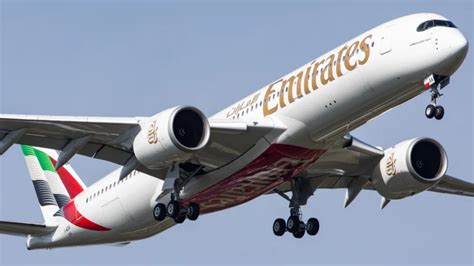
Emirates, for instance, turned to the Airbus A350 as a stopgap solution, ordering dozens of aircraft to maintain growth. Lufthansa revived parts of its Airbus A380 fleet and introduced new cabin products on alternative aircraft. Qatar Airways similarly reactivated older jets to meet demand.
These shifts highlight a broader truth: delays in a flagship aircraft program ripple across the entire industry. Fleet planning, route development, and even passenger experience strategies are all affected.
A Calculated Risk That Could Pay Off
Building aircraft before certification carries undeniable risks. Storage costs accumulate, modifications may be required, and capital remains tied up in undelivered assets. Yet Boeing’s approach reflects a calculated bet rather than reckless optimism.
The likelihood of major structural redesigns at this stage is minimal. Most remaining certification hurdles involve validation rather than reinvention. This means that the aircraft already built are largely aligned with final specifications, requiring only incremental adjustments.
If this assumption holds true, Boeing’s early production strategy could deliver a significant advantage. When certification is achieved, the company will not be starting from zero—it will be activating an already-built fleet.
The Road Ahead for the 777X Program
The 777X remains one of the most anticipated aircraft in commercial aviation. Its promise is undeniable: greater efficiency, extended range, and enhanced passenger comfort, all wrapped in a platform that builds on the proven success of the 777 family.
Yet its journey underscores the increasing complexity of modern aircraft development. Regulatory expectations have risen, technological innovations have grown more ambitious, and global disruptions—from pandemics to supply chain constraints—have added layers of uncertainty.
Boeing’s decision to build ahead of certification is not merely a production choice; it is a reflection of how high-stakes aerospace programs must balance risk, timing, and industrial continuity.
When the 777X finally enters service, the rows of aircraft currently waiting in storage will transform from symbols of delay into assets of acceleration. Deliveries will begin quickly, airlines will integrate the jet into their fleets, and the narrative will shift from postponement to performance.
In that moment, the logic behind building more than 20—indeed, more than 30—uncertified aircraft will become unmistakably clear.