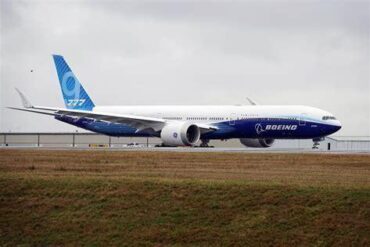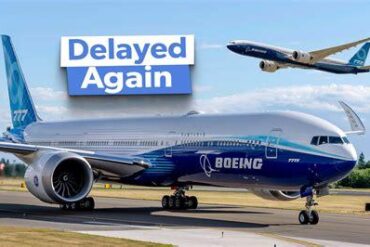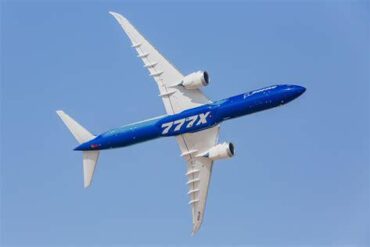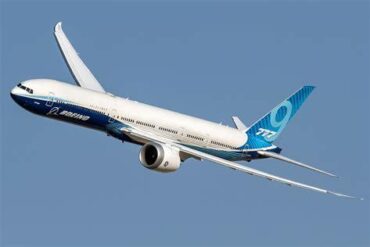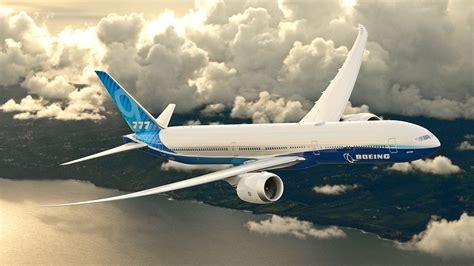
Boeing has surmounted a major technical obstacle in its long and turbulent journey to bring the 777X to market, a critical development for a program already six years behind schedule. The U.S. aerospace giant confirmed it has implemented a redesign of the engine thrust links, components that are essential in transferring power from the aircraft’s massive GE9X engines to its structural frame. Cracks discovered in these thrust links during rigorous flight testing in August 2024 had halted the certification process and grounded the fleet.
The redesigned parts are currently being retrofitted onto the 777X test aircraft, and will also be incorporated into all future production units, including the first aircraft slated for delivery to Lufthansa. With the fix now finalized and test flights resumed, Boeing says it is confident in its updated timeline to deliver the first 777X units by 2026, after securing full certification from aviation regulators.
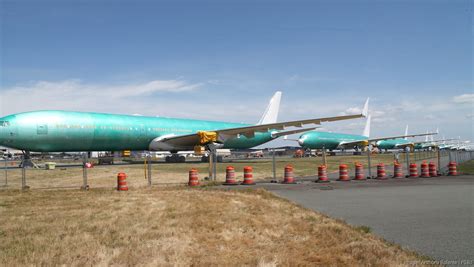
A Long-Awaited Milestone After Years of Delays
The Boeing 777X, which was first unveiled in 2013, has become emblematic of the challenges Boeing has faced over the last decade. Initially billed as the next-generation long-haul airliner capable of replacing the iconic 747 and rivaling Airbus’s A350, the 777X’s path has been littered with technical setbacks, certification delays, and pandemic-era disruptions.
The most recent setback occurred in August 2024 when test flights were suddenly halted after Boeing engineers discovered cracks in the engine thrust links. The issue was traced to unintentional vibrations that induced stress beyond the component’s design tolerance. This mechanical flaw posed a serious risk, requiring immediate suspension of the test program while engineers devised a robust, long-term solution.
Boeing’s engineering team spent several months conducting extensive vibration testing and analysis, culminating in a new thrust link design that eliminates the vibratory behavior. “We have finalized a solution to the 777-9 thrust link issue identified last year, based on months of rigorous testing and analysis by a team of Boeing experts,” Boeing said in a statement. “We have already implemented changes in our flight test airplanes and will continue to inspect them to ensure continued safe operation.”
From Design to Redesign: A Technical Breakdown
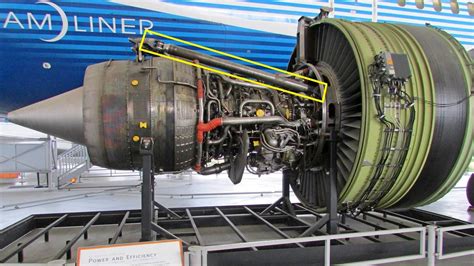
The engine thrust link is a crucial structural element located between the aircraft and its engine pylons. It essentially serves as the bridge that transfers the propulsion force generated by the engines to the aircraft’s body, while also absorbing engine-induced stresses during flight.
The cracks that emerged in the thrust links of the test aircraft weren’t the result of manufacturing flaws, but rather an overlooked dynamic phenomenon — resonance vibrations that built up during specific phases of flight. These vibrations created a cyclical load that, over time, exceeded the metal’s fatigue limit. Boeing’s fix involves not only reinforcing the structural integrity of the links but also redesigning their geometry to mitigate vibratory loading.
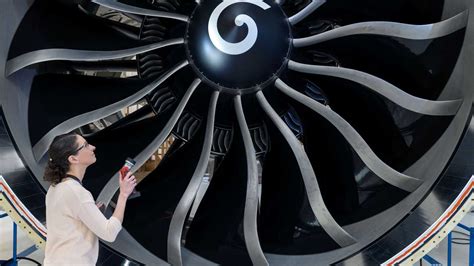
Additionally, Boeing confirmed that the updated components will be subjected to even more rigorous durability tests to ensure long-term reliability, particularly for extended operations over oceans and remote areas. These adjustments also align with Boeing’s broader strategy to minimize the risk of airframe-component interactions, a lesson it has learned across multiple programs including the 737 MAX.
Certification Back on Track
With the thrust link redesign complete, Boeing has resumed test flights of the 777-9, the launch variant of the 777X family. Certification is now expected by late 2025 or early 2026, allowing for first deliveries to commence shortly thereafter. This would mark a monumental milestone for Boeing, which has seen the 777X program delayed by more than six years.
The aircraft was originally scheduled to enter service in 2020. However, the timeline began slipping after a series of incidents during early testing, most notably the uncommanded pitch event in 2020, where the aircraft’s nose began oscillating up and down without pilot input. This event prompted a major re-evaluation of the flight control software and hardware interface systems.
Coupled with regulatory scrutiny in the aftermath of the 737 MAX crisis and the challenges posed by the COVID-19 pandemic, the 777X faced a perfect storm of certification hurdles, shifting market demand, and supply chain interruptions.
The Stakes Are High
The 777X is Boeing’s bet on the future of long-haul travel. Equipped with foldable wingtips—a first in commercial aviation—and the most powerful commercial jet engine ever built, the GE9X, the aircraft boasts a range of over 8,700 nautical miles and can carry up to 426 passengers in a typical two-class configuration. Boeing hopes it will serve as a successor to both the 777-300ER and the now-retired 747-400.
With airlines increasingly focused on fleet modernization and fuel efficiency, the 777X’s design promises up to 10% lower fuel consumption and emissions compared to its predecessors, largely thanks to its new composite wings and high-bypass turbofan engines.
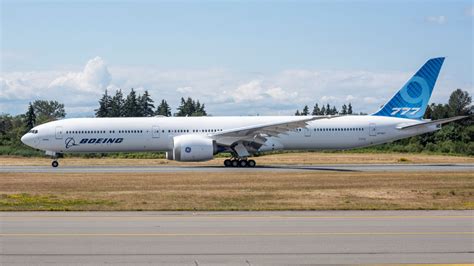
Lufthansa First in Line
The first customer in line for the 777X is Lufthansa, which has long maintained a close relationship with Boeing on widebody programs. The German flag carrier has placed an order for 20 of the 777-9 variant, and is expected to deploy them on high-capacity international routes such as Frankfurt to Los Angeles and Frankfurt to Singapore.
Lufthansa’s decision to stick with its order through the delays is a testament to the strategic importance of the 777X in the airline’s future fleet planning. While other carriers such as Emirates and Qatar Airways have expressed frustration with the delays, they too remain committed, albeit cautiously.
Industry Implications
Boeing’s ability to finally resolve the thrust link issue and resume certification testing is more than just a win for the 777X program — it’s a signal to the industry and regulators that the manufacturer is ready to regain its footing. Over the past several years, Boeing has grappled with reputational damage and regulatory distrust, particularly from the FAA and EASA, which are overseeing the 777X’s certification with increased scrutiny.
The successful redesign and testing of the thrust links may help restore confidence, not only in the aircraft but in Boeing’s broader engineering and quality assurance processes. Moreover, it could act as a catalyst for progress across Boeing’s backlog of delayed and pending projects, including freighter variants and future sustainable aircraft concepts.
Looking Ahead
Despite the optimism, Boeing faces a tight schedule to meet its 2026 delivery goals. The certification campaign will need to be flawless, especially given that no corners can be cut in the current regulatory environment. Boeing is expected to maintain full transparency with authorities, providing real-time telemetry and analytical models for every critical subsystem.
Should Boeing meet its targets, the 777X will enter a competitive long-haul market that is slowly rebounding. Airlines worldwide are once again eyeing fleet expansion after a period of retrenchment, and the ultra-efficient twinjet could find a strong niche among carriers looking for high-capacity solutions without compromising on range or sustainability.
With the redesign complete and test flights back in the air, Boeing has cleared one of the most significant engineering hurdles in the 777X program. As the aviation industry watches closely, all eyes now turn to the skies—and the certification paperwork still ahead.